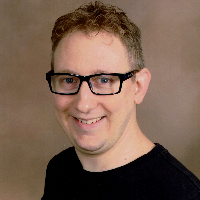
Ryan Plasch, LPCC
Minnesota · 6 years in practice
Ryan Plasch is a licensed professional clinical counselor who helps people manage relationship struggles, grief, parenting strain, anger, depression, anxiety, and stress.
License and registration
- LPCC, Minnesota
- 2422 · expires February 2026
- NPI
- 1093220188 · national provider identifier
- Years in practice
- 6
- Languages
- English
Details are as listed on the therapist's public professional profile. You can check the license with the issuing state board, and the NPI with the national registry.
About Ryan
Ryan Plasch is a licensed professional clinical counselor who helps people manage relationship struggles, grief, parenting strain, anger, depression, anxiety, and stress. He also supports concerns like addiction, trauma and abuse, intimacy issues, self-esteem, career transitions, bipolar challenges, ADHD, and coping with life changes. Ryan aims to be approachable and practical in sessions.
He keeps sessions straightforward and grounded. He uses plain language, some humor, and creative ideas to break unhelpful patterns.
Background and approach
Ryan helps clients spot repetitive thoughts and feelings that get in the way of daily life and relationships. He focuses on finding values and goals and taking realistic steps toward them. Ryan works with individuals and couples and supports parents who are managing the added stress of caregiving.
He has personal experience with male infertility, miscarriage, and parenting, and that perspective informs his work with people facing similar life events. He aims to help people reconnect, rebuild trust, and set practical family goals.
Therapeutically he draws on Emotionally-Focused Therapy to address attachment and emotional connection, as well as Acceptance and Commitment Therapy and Cognitive Behavioral Therapy to change patterns and clarify values. He also integrates elements from the Gottman Method and existential approaches when that fits the client's goals.
Ryan holds a Minnesota LPCC - Licensed Professional Clinical Counselor - and has six years of clinical experience. He offers sessions in English and works with people both in Minnesota and internationally via online formats. His style is warm, non-judgmental, and focused on helping people take doable steps forward.
Focus areas and approaches
Everything Ryan lists on their public professional profile, in their own terms.
- Relationship issues
- Grief
- Parenting issues
- Anger management
- Depression
- Stress, Anxiety
- Addictions
- Family conflicts
- Trauma and abuse
- Intimacy-related issues
- Self esteem
- Career difficulties
- Bipolar disorder
- Coping with life changes
- Compassion fatigue
- ADHD
- Caregiver issues and stress
- Communication problems
- Family problems
- Fatherhood issues
- Forgiveness
- Men's issues
- Midlife crisis
- Social anxiety and phobia
- Workplace issues
Approaches Ryan names
- Emotionally-Focused Therapy (EFT)
- Acceptance and Commitment Therapy (ACT)
- Cognitive Behavioral Therapy (CBT)
- Existential Therapy
- Gottman Method
- Motivational Interviewing
Naming an approach is not evidence of training in it. This directory copies what each therapist lists and does not check training records.
Online support
How therapeutic approaches translate to online work
Emotionally-Focused Therapy (EFT) focuses on emotional bonds and attachment. In online sessions this means helping partners or individuals notice and express key emotions that shape their connection and reactions. EFT is often used when people want to repair distance, heal attachment hurts, or improve closeness.Acceptance and Commitment Therapy (ACT) helps people clarify what matters most and take action that matches those values. Online ACT sessions include exercises to notice thoughts, accept difficult feelings, and commit to small behavior changes that add up over time. Cognitive Behavioral Therapy (CBT) looks at the links between thoughts, feelings, and actions and teaches practical skills to shift unhelpful patterns and improve daily functioning.
Finding the right approach is part of the work. Ryan will collaborate with each person to pick methods that fit their needs, goals, and preferences rather than using a one-size-fits-all plan. Together they’ll try approaches, see what helps, and adjust as progress unfolds.
Online therapy offers flexibility and many practical benefits. Video calls let therapists and clients use visual cues for emotional work and relationship sessions. Phone sessions can be easier when bandwidth is limited or when someone prefers not to be on camera. Live chat and text-based messaging are useful for brief check-ins, homework support, and when a shorter touchpoint is needed between sessions. These options make it easier to fit therapy into a busy life and connect across distances.
We will earn a commission if you sign up through our link, at no cost to you. It does not change what you pay or the order of the listings.
Questions people ask
What concerns does Ryan help with?
He supports people facing relationship problems, grief, parenting stress, anger, depression, anxiety, addictions, trauma, intimacy concerns, and self-esteem issues, among others.
How would you describe his therapy style?
Sessions are approachable and practical, often using plain language, gentle humor, and creative problem solving to break unhelpful patterns and set clear goals.
What is his professional background?
He has six years of clinical experience and brings personal experience with male infertility, miscarriage, and parenting into his work with clients.
What are his credentials and location?
Ryan holds a Minnesota LPCC - Licensed Professional Clinical Counselor - and is based in Minnesota for regional purposes.
Can sessions be conducted in languages other than English?
Sessions are offered in English.
Which session formats are offered?
Sessions are available via video calls, phone sessions, live chat, or text-based messaging to fit different needs and schedules.
How does payment work and what does it cost?
Cost varies with location and therapist availability; sessions use a subscription model that can be canceled at any time.
What are the first steps to begin therapy?
Use the Start Therapy button, complete a short matching questionnaire, and schedule sessions according to therapist availability.
More therapists in Minnesota
See allPietro (Pete) Martucci
LPCC
Compassionate, practical counseling for everyday struggles
- Stress, Anxiety
- LGBT
- Trauma and abuse
Mary Gales-Wenz
LICSW
Compassionate practical therapy from an experienced LICSW
- Stress, Anxiety
- Addictions
- Trauma and abuse
Wendy Alm
LMFT
Calm, practical therapy for relationships and life changes
- Stress, Anxiety
- Relationship
- Family

Jennifer Kim-Ardakani
LMFT
Compassionate therapist focusing on emotion and connection
- Stress, Anxiety
- Relationship
- Trauma and abuse

Is this your profile?
Ask us to correct details or take the page down.
Contact us