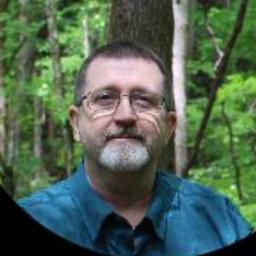
Tony Byrd, LMHC
Florida · 27 years in practice
Tony Byrd is a Licensed Mental Health Counselor (LMHC) in Florida with 27 years of clinical experience.
License and registration
- LMHC, Florida
- MH12081 · expires March 2027
- NPI
- 1821426768 · national provider identifier
- Years in practice
- 27
- Languages
- English
Details are as listed on the therapist's public professional profile. You can check the license with the issuing state board, and the NPI with the national registry.
About Tony
Tony Byrd is a Licensed Mental Health Counselor (LMHC) in Florida with 27 years of clinical experience. He uses Emotionally-Focused Therapy alongside cognitive and behavioral methods to help people cope with intense feelings and relationship strains. His approach aims to make emotional patterns clearer and easier to change.
Tony helps with common problems such as anxiety, depression, bipolar mood concerns, and stress. He also supports people facing addiction, trauma and abuse, anger, and grief.
Background and approach
He addresses issues tied to identity and intimacy, including LGBT and gender dysphoria concerns. In sessions he combines practical skills and emotional work. Cognitive Behavioral Therapy (CBT) is used to change unhelpful thinking and behavior.
Dialectical Behavior Therapy (DBT) offers tools for emotion regulation and distress tolerance. Mindfulness techniques help slow down racing thoughts and increase focus. His background includes work in inpatient and outpatient settings, substance abuse treatment, trauma and forensic contexts, and behavior programs for adolescents.
That range gives experience with addiction, co-occurring conditions, and personality-related concerns. Tony frames treatment as a partnership where people learn and use new skills between sessions. Tony offers video calls, phone sessions, live chat, and text-based messaging so people can choose what fits their schedule and comfort.
Sessions use a subscription model that can be canceled at any time. To begin, a short matching questionnaire is completed and appointments are scheduled based on availability.
Focus areas and approaches
Everything Tony lists on their public professional profile, in their own terms.
- Stress, Anxiety
- Trauma and abuse
- Anger management
- Bipolar disorder
- Depression
- Addictions
- LGBT
- Relationship issues
- Family conflicts
- Grief
- Intimacy-related issues
- Eating disorders
- Sleeping disorders
- Parenting issues
- Self esteem
- Coping with life changes
- Compassion fatigue
- ADHD
- Antisocial personality
- Co-morbidity
- Codependency
- Communication problems
- Drug and alcohol addiction
- Forgiveness
- Gender dysphoria
- Guilt and shame
- HIV / AIDS
- Impulsivity
- Isolation / loneliness
- Men's issues
- Midlife crisis
- Money and financial issues
- Mood disorders
- Obsessions, compulsions, and OCD
- Paranoia
- Personality disorders
- Postpartum depression
- Post-traumatic stress
- Prejudice and discrimination
- Process addiction (porn, exercise, gambling)
- Seasonal Affective Disorder (SAD)
- Self-harm
- Sex addiction
- Sexual assault and abuse
- Sexual dysfunction
- Sexuality
- Social anxiety and phobia
- Traumatic brain injury
Approaches Tony names
- Emotionally-Focused Therapy (EFT)
- Cognitive Behavioral Therapy (CBT)
- Dialectical Behavior Therapy (DBT)
- Existential Therapy
- Mindfulness Therapy
- Motivational Interviewing
- Solution-Focused Therapy
- Trauma-Focused Therapy
Naming an approach is not evidence of training in it. This directory copies what each therapist lists and does not check training records.
Online support
Emotion and Skill-Focused Care Online
Emotionally-Focused Therapy helps people identify and change patterns in how they respond to strong emotions and relational pain; it is useful for addressing intense feelings and improving how someone connects with others. Cognitive Behavioral Therapy (CBT) focuses on spotting unhelpful thoughts and testing new behaviors to reduce anxiety and depression. Dialectical Behavior Therapy (DBT) teaches concrete skills for managing emotions, tolerating distress, and improving interaction skills.Finding the right approach is part of the work. The therapist will talk with each person about their goals and preferences and suggest which methods to try first. That choice is made together and can be adjusted as therapy progresses.
Online sessions are offered by video call, phone, live chat, or text-based messaging to make care fit everyday life. Video is useful when face-to-face interaction matters, phone can be easier when bandwidth is limited, and chat or messaging works for quick check-ins or short skill practice. These options help people fit therapy into work, parenting, or other routines while still using the same therapeutic tools discussed in sessions.
We will earn a commission if you sign up through our link, at no cost to you. It does not change what you pay or the order of the listings.
Questions people ask
What concerns does Tony commonly address?
He works with stress, anxiety, depression, bipolar mood issues, trauma and abuse, addiction, anger, grief, self-esteem problems, and intimacy-related concerns.
What is Tony's general therapy style?
He blends Emotionally-Focused Therapy with cognitive and behavioral approaches and mindfulness. Sessions focus on understanding feelings and building practical skills.
How long has he been practicing?
He has 27 years of experience across inpatient and outpatient settings and has worked with substance abuse, trauma, forensic cases, and adolescent behavior programs.
What are his credentials and location?
He is a Florida Licensed Mental Health Counselor (FL LMHC) and practices remotely while based in Florida.
Which languages are supported for sessions?
Sessions are offered in English.
What session formats are available?
He provides video calls, phone sessions, live chat, and text-based messaging to suit different needs and schedules.
How does billing and cost work?
Cost varies with location and therapist availability; sessions use a subscription that can be canceled at any time.
How do I start working with him?
Begin by selecting the Start Therapy button, completing a short matching questionnaire, and scheduling sessions according to therapist availability.
More therapists in Florida
See all
Dedra McIntosh
LCSW
Emotion-focused care for everyday struggles
- Stress, Anxiety
- Relationship
- Trauma and abuse
Steven Carlson
LCSW
Compassionate, steady support for emotional healing
- Stress, Anxiety
- Relationship
- Family
Tomeccia Maxwell
LMHC
Calm, practical support for everyday challenges
- Stress, Anxiety
- Relationship
- Family
Is this your profile?
Ask us to correct details or take the page down.
Contact us