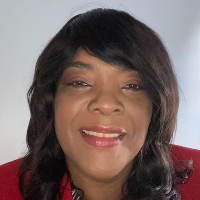
Dr. Brenda Kemp, LPC
Georgia · 16 years in practice
Dr. Brenda Kemp is a Licensed Professional Counselor (LPC) practicing in Georgia.
License and registration
- LPC, Georgia
- LPC005319 · expires September 2026
- NPI
- 1356842074 · national provider identifier
- Years in practice
- 16
- Languages
- English
Details are as listed on the therapist's public professional profile. You can check the license with the issuing state board, and the NPI with the national registry.
About Brenda
Dr. Brenda Kemp is a Licensed Professional Counselor (LPC) practicing in Georgia. She brings 16 years of experience and focuses on helping people manage stress, anxiety, depression, relationship struggles, grief, and other life challenges.
Her style is warm, direct, and practical, aimed at helping people find clearer paths forward. She draws on Emotionally-Focused Therapy to help people understand and shift patterns in close relationships and to process strong emotions. She also uses Acceptance and Commitment Therapy and Cognitive Behavioral Therapy to help people notice unhelpful thoughts and learn new ways to respond to them.
Background and approach
Narrative and client-centered ideas shape how she listens and helps people tell the story of their lives differently. Sessions tend to focus on what matters most right now. She helps people identify strengths, set manageable goals, and practice new skills between meetings.
That might include experimenting with different ways of speaking to loved ones, noticing patterns of worry, or trying small behavioral changes that reduce stress. Dr. Kemp also addresses concerns linked to trauma and abuse, addictions, intimacy-related issues, ADHD, caregiver stress, and communication problems.
She works with people facing life transitions such as divorce, illness, end-of-life decisions, or adoption and foster care-related matters. Her approach emphasizes collaboration. She listens without judgment and offers clear options so each person can choose what fits.
For anyone who wants steady, straightforward guidance while they work through tough moments, she offers practical support and focused therapeutic tools.
Focus areas and approaches
Everything Brenda lists on their public professional profile, in their own terms.
- Stress, Anxiety
- Relationship issues
- Family conflicts
- Grief
- Intimacy-related issues
- Addictions
- LGBT
- Trauma and abuse
- Anger management
- Self esteem
- Career difficulties
- Depression
- Coping with life changes
- Compassion fatigue
- ADHD
- Abandonment
- Adoption and foster care
- Aging and geriatric issues
- Attachment issues
- Blended family issues
- Cancer
- Caregiver issues and stress
- Communication problems
- Divorce and separation
- Domestic violence
- Family of origin issues
- Family problems
- Forgiveness
- Guilt and shame
- Hospice and end-of-life counseling
- Infidelity
- Isolation / loneliness
- Life purpose
- Multicultural concerns
- Prejudice and discrimination
- Seasonal Affective Disorder (SAD)
- Self-love
- Sexual assault and abuse
- Women's issues
- Workplace issues
Approaches Brenda names
- Emotionally-Focused Therapy (EFT)
- Acceptance and Commitment Therapy (ACT)
- Client-Centered Therapy
- Cognitive Behavioral Therapy (CBT)
- Narrative Therapy
- Psychodynamic Therapy
- Solution-Focused Therapy
Naming an approach is not evidence of training in it. This directory copies what each therapist lists and does not check training records.
Online support
How therapy approaches adapt to online care
Emotionally-Focused Therapy helps people understand and change the emotional patterns that keep relationships stuck. Online sessions can be used to identify those patterns, practice new interactions, and process strong feelings with a therapist's guidance.Acceptance and Commitment Therapy focuses on noticing thoughts and feelings without getting stuck in them, then choosing actions that match personal values. Delivered online, ACT can support people dealing with anxiety, grief, or life transitions through short exercises and values-based planning.
Client-Centered Therapy puts the person's goals and experience at the center of the work. In remote sessions, this means the therapist follows the client's lead, reflects what they say, and helps them feel understood while they decide what to change.
Deciding which approach to use is part of the work. The therapist will talk with each person about their goals, preferences, and what feels most helpful. Together they choose strategies and adjust them over time so the work fits the person's life.
Online therapy offers practical flexibility. Video calls let people work face to face when they want visual connection. Phone sessions require less bandwidth and can be easier on days when being on camera feels like too much. Live chat or text messaging can be useful for brief check-ins, ongoing encouragement, or when someone needs a quick coping reminder between sessions.
We will earn a commission if you sign up through our link, at no cost to you. It does not change what you pay or the order of the listings.
Questions people ask
What kinds of concerns does Dr. Kemp address?
She helps people with stress, anxiety, depression, relationship and intimacy issues, grief, trauma and abuse, addictions, ADHD, caregiver strain, and many life changes.
How would you describe her therapeutic style?
The style is supportive, direct, and collaborative. She combines listening with practical guidance so clients leave sessions with clear next steps.
What is her background and experience?
Dr. Kemp has 16 years of clinical experience working across a variety of concerns, including career challenges and trauma-related emotional issues.
What credentials and location apply?
She is a Licensed Professional Counselor (LPC) practicing in Georgia.
In what languages are sessions offered?
Sessions are offered in English.
Which session formats are available?
Sessions can be scheduled as video calls, phone sessions, live chat, or text-based messaging.
How does cost and payment work?
Cost varies with location and therapist availability; sessions use a subscription model that can be canceled at any time.
What are the first steps to begin therapy?
Use the Start Therapy button, complete a short matching questionnaire, and then schedule a session according to the therapist's availability.
More therapists in Georgia
See all
Farah Southwell
LPC
Compassionate emotional work with practical tools
- Stress, Anxiety
- Relationship
- Family

Cornelia Williams
LPC
Compassionate counselor who focuses on emotional connection
- Stress, Anxiety
- Addictions
- Relationship

Dr. Sharon Belhamel
LMFT
Compassionate therapy for life’s hard transitions
- Stress, Anxiety
- Relationship
- Career

Is this your profile?
Ask us to correct details or take the page down.
Contact us