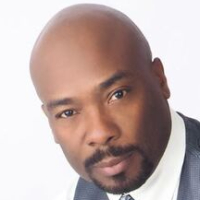
Antony Ashby, LPC
Texas · 7 years in practice
Antony Ashby is a Licensed Professional Counselor (LPC) based in Texas who focuses on relationship and personal struggles.
License and registration
- LPC, Texas
- 82865 · expires April 2027
- LPC, Missouri
- 2026010986 · expires June 2027
- NPI
- 1285218040 · national provider identifier
- Years in practice
- 7
- Languages
- English
Details are as listed on the therapist's public professional profile. You can check the license with the issuing state board, and the NPI with the national registry.
About Antony
Antony Ashby is a Licensed Professional Counselor (LPC) based in Texas who focuses on relationship and personal struggles. He works with adults on issues like communication, intimacy, parenting stress, anxiety, depression, trauma, and life transitions. Antony keeps language simple and practical so people can decide quickly if he might be a good fit.
He uses Emotionally-Focused Therapy to help partners reconnect around the feelings behind conflict. He also draws on Acceptance and Commitment Therapy and cognitive behavioral ideas to address patterns that keep people stuck.
Background and approach
Sessions aim to identify what's really at stake and practice new ways of relating and coping. Antony takes a client-centered stance, listening closely before offering steps that fit each person’s life. He helps people name painful emotions, set clearer boundaries, and rebuild trust after hurts like infidelity or betrayal.
He also supports people wrestling with self-esteem, shame, or questions about life purpose. Practical tools and short-term goals are part of his work when needed, alongside deeper conversations about meaning and attachment. Antony’s seven years of experience inform a balance of direct feedback and supportive reflection.
He communicates plainly and focuses on usable changes clients can try between sessions. Sessions are offered in English and include options that suit different schedules and needs. Antony accepts international clients and aims to match his approach to each person’s goals and pace.
Focus areas and approaches
Everything Antony lists on their public professional profile, in their own terms.
- Relationship issues
- Family conflicts
- Intimacy-related issues
- Parenting issues
- Self esteem
- Stress, Anxiety
- Trauma and abuse
- Anger management
- Depression
- Coping with life changes
- Antisocial personality
- Attachment issues
- Body image
- Codependency
- Commitment issues
- Communication problems
- Dependent personality
- Divorce and separation
- Family problems
- Fatherhood issues
- Forgiveness
- Guilt and shame
- Infidelity
- Jealousy
- Life purpose
- Men's issues
- Veteran and Armed Forces Issues
- Multicultural concerns
- Post-traumatic stress
- Prejudice and discrimination
- Process addiction (porn, exercise, gambling)
- Self-love
- Sex addiction
- Social anxiety and phobia
- Workplace issues
- Young adult issues
Approaches Antony names
- Emotionally-Focused Therapy (EFT)
- Acceptance and Commitment Therapy (ACT)
- Client-Centered Therapy
- Cognitive Behavioral Therapy (CBT)
- Existential Therapy
- Gottman Method
- Motivational Interviewing
- Psychodynamic Therapy
- Solution-Focused Therapy
Naming an approach is not evidence of training in it. This directory copies what each therapist lists and does not check training records.
Online support
How Antony Uses Different Approaches Online
Emotionally-Focused Therapy focuses on the feelings that drive patterns between partners. Online sessions let Antony guide couples or individuals to name emotions, notice interaction cycles, and practice new responses in real time. This can help with reconnecting after conflict or dealing with attachment worries.Acceptance and Commitment Therapy, or ACT, encourages people to accept difficult thoughts and commit to actions that match their values. In online work Antony helps clients notice what matters most, try small behavioral experiments, and build flexibility when stress or anxiety arises.
Client-Centered Therapy centers the person’s own experience and pace. On video or in messaging, Antony provides attentive listening and reflection so clients feel heard while they explore choices about relationships, parenting, or life purpose.
Finding the right approach is part of the process. Antony collaborates with each person to choose methods that fit their goals and daily life. He checks in about what’s helping and adapts techniques over time so sessions stay useful and relevant.
Online formats offer practical advantages. Video calls allow face-to-face interaction for emotional work and communication practice. Phone sessions can be easier when bandwidth is limited or for a quick check-in. Live chat and text-based messaging work well for brief updates, processing between sessions, or for people who prefer written reflection. These options make it easier to fit therapy into work, caregiving, or travel schedules.
We will earn a commission if you sign up through our link, at no cost to you. It does not change what you pay or the order of the listings.
Questions people ask
What kinds of problems does Antony help with?
He helps adults with relationship struggles, intimacy problems, parenting stress, anxiety, depression, trauma, anger, and coping with life changes.
What is his therapy style like in sessions?
His style is direct and client-centered, combining emotional exploration with practical exercises to change unhelpful patterns and improve communication.
How much experience does he have?
He has seven years of clinical experience working with adults on relationship and personal concerns.
What credentials and location are listed?
He holds the LPC credential and practices in Texas, licensed as MO LPC and TX LPC.
Can I see him if I live outside the United States?
Yes, he accepts international clients and offers sessions to people outside the U.S.
Which session formats are available?
Sessions can be conducted by video calls, phone sessions, live chat, or text-based messaging to match different needs and schedules.
How are fees handled for sessions?
Cost varies with location and therapist availability; sessions use a subscription model that can be canceled at any time.
What do I need to do to begin working together?
Click the Start Therapy button, complete a short matching questionnaire, and schedule a time based on the therapist’s availability.
More therapists in Texas
See allDr. Ngozi Okose
LPC
Compassionate, practical therapy focused on emotion and change
- Stress, Anxiety
- Relationship
- Trauma and abuse

Phillip Redden
LMFT
Trusted therapist for relationships and trauma
- Relationship
- Family
- Trauma and abuse
Julie Elliott
MD, LCSW-C, LCSW
Compassionate clinician with long-term practical experience
- Stress, Anxiety
- Relationship
- Family
Tiffany Dunnells
LPC
Warm, practical therapy for life’s hard moments
- Stress, Anxiety
- Trauma and abuse
- Anger

Is this your profile?
Ask us to correct details or take the page down.
Contact us