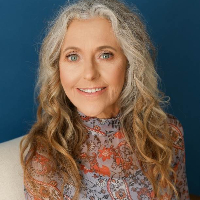
Carol Weihe, LCMFT
Kansas · 24 years in practice
Carol Weihe is a licensed clinical marriage and family therapist who blends emotion-focused work with practical therapies to help people handle stress, anxiety, depression, and relationship struggles.
License and registration
- LCMFT, Kansas
- LCMFT 347 · expires February 2028
- NPI
- 1477548592 · national provider identifier
- Years in practice
- 24
- Languages
- English
Details are as listed on the therapist's public professional profile. You can check the license with the issuing state board, and the NPI with the national registry.
About Carol
Carol Weihe is a licensed clinical marriage and family therapist who blends emotion-focused work with practical therapies to help people handle stress, anxiety, depression, and relationship struggles. She draws on a long clinical background and a direct, compassionate style to help people notice feelings, make different choices, and manage life changes.
Carol uses Emotionally-Focused Therapy alongside approaches like Acceptance and Commitment Therapy, client-centered methods, and cognitive behavioral techniques. That mix supports people who want clearer communication, relief from trauma or abuse-related distress, or help coping with grief and major transitions.
Background and approach
She has worked across independent practice, community mental health, managed care, and the Department of Veterans Affairs over 24 years. That range of settings informs how she adapts sessions to real-life needs, whether the focus is on mood, trauma recovery, or practical problem solving. Carol describes her style as supportive, compassionate, and challenging.
In a session she listens closely, helps name patterns that keep someone stuck, and guides small experiments to try different ways of responding. She also includes mindfulness and breathwork when those tools fit a person's goals. People come to her for many concerns beyond mood and relationships, including caregiving and aging issues, codependency, end-of-life counseling, and communication problems.
Carol works with adults who want steady, sensible help to move through painful moments and build more satisfying ways of living.
Focus areas and approaches
Everything Carol lists on their public professional profile, in their own terms.
- Stress, Anxiety
- Relationship issues
- Trauma and abuse
- Depression
- Coping with life changes
- Aging and geriatric issues
- Antisocial personality
- Cancer
- Codependency
- Commitment issues
- Communication problems
- Control issues
- Dissociation
- Divorce and separation
- Domestic violence
- Family of origin issues
- Family problems
- Forgiveness
- Guilt and shame
- Hospice and end-of-life counseling
- Infidelity
- Isolation / loneliness
- Jealousy
- Life purpose
- Men's issues
- Veteran and Armed Forces Issues
- Mood disorders
- Panic disorder and panic attacks
- Personality disorders
- Post-traumatic stress
- Self-love
- Social anxiety and phobia
- Women's issues
Approaches Carol names
- Emotionally-Focused Therapy (EFT)
- Acceptance and Commitment Therapy (ACT)
- Client-Centered Therapy
- Cognitive Behavioral Therapy (CBT)
- Existential Therapy
- Gottman Method
- Hypnotherapy
- Jungian Therapy
- Mindfulness Therapy
- Narrative Therapy
- Solution-Focused Therapy
- Trauma-Focused Therapy
Naming an approach is not evidence of training in it. This directory copies what each therapist lists and does not check training records.
Online support
Emotion-focused and practical therapies online
Emotionally-Focused Therapy helps people name and work with strong emotions that shape their relationships and choices. It focuses on moments when feelings become stuck and on building new patterns of connection that reduce distress.Acceptance and Commitment Therapy emphasizes noticing thoughts and feelings without getting trapped by them while choosing actions that match personal values. It can help with anxiety, depression, and adjusting to life transitions by teaching flexible responses rather than rigid avoidance.
Client-centered therapy centers the person's experience, using deep listening and empathy to create a space where people feel heard and can explore what matters to them. This approach supports self-understanding and clearer decision making.
Finding the right approach is a shared process. The therapist will work with each person to identify goals, try different techniques, and adjust methods based on what helps most. That collaborative approach makes it easier to mix emotion-focused work with practical tools like CBT or mindfulness.
Online sessions are offered by video calls, phone sessions, live chat, and text-based messaging to fit different needs. Video is useful for face-to-face conversation and nonverbal cues. Phone sessions can be a good option when bandwidth is limited or when a shorter check-in fits the day. Live chat or text-based messaging offers brief check-ins and ongoing support between sessions. These formats increase flexibility and make scheduling therapy easier for busy lives.
We will earn a commission if you sign up through our link, at no cost to you. It does not change what you pay or the order of the listings.
Questions people ask
What issues does she help with?
She helps with stress, anxiety, depression, relationship problems, trauma and abuse, and coping with life changes. Additional focus areas include aging and geriatric concerns, codependency, end-of-life counseling, and communication problems.
What is her therapy style and approach?
She blends Emotionally-Focused Therapy with Acceptance and Commitment Therapy, client-centered work, and cognitive behavioral techniques. Sessions tend to be supportive, compassionate, and sometimes challenging to encourage change.
How much clinical experience does she have?
She brings 24 years of combined clinical experience across independent practice, community mental health, managed care, and the Department of Veterans Affairs. That background shapes how she adapts care to everyday needs.
What credentials and location are listed?
She is listed as LCMFT, which indicates a licensed clinical marriage and family therapist in Kansas. Her practice is based in Kansas.
In which languages can sessions be held?
Sessions are offered in English. International clients are accepted.
What session formats are available?
Sessions can be done by video calls, phone sessions, live chat, or text-based messaging. These options allow for flexibility depending on what works best for the person.
How does cost and payment work?
Cost varies with location and therapist availability and is handled through a subscription model. The subscription can be canceled at any time.
What are the first steps to begin therapy?
To begin, use the Start Therapy button, complete a short matching questionnaire, and then schedule sessions based on the therapist's availability. The process is set up to match needs and preferences.
More therapists in Kansas
See allTinna Palmer
LSCSW
Practical support for stress and life changes
- Stress, Anxiety
- Addictions
- Trauma and abuse

Kris Rice
LSCSW
Compassionate, emotion-focused social worker
- Stress, Anxiety
- Relationship
- Trauma and abuse

Steve Hammer
LSCSW
Calm, practical psychotherapy with decades of experience
- Stress, Anxiety
- Family
- Trauma and abuse

Is this your profile?
Ask us to correct details or take the page down.
Contact us