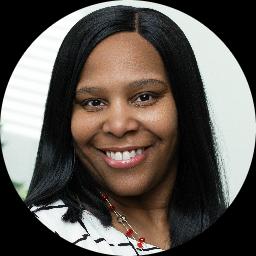
Charlotte Windom, LPC
Alabama · 16 years in practice
Charlotte Windom is a Licensed Professional Counselor (LPC) who focuses on helping people manage stress, anxiety, relationship concerns, anger, depression, and life changes.
License and registration
- LPC, Alabama
- LPC03621 · expires July 2026
- NPI
- 1609033638 · national provider identifier
- Years in practice
- 16
- Languages
- English
Details are as listed on the therapist's public professional profile. You can check the license with the issuing state board, and the NPI with the national registry.
About Charlotte
Charlotte Windom is a Licensed Professional Counselor (LPC) who focuses on helping people manage stress, anxiety, relationship concerns, anger, depression, and life changes. She speaks plainly and listens carefully to understand what feels most pressing for each person. Her style is warm and steady, aimed at making real problems feel more manageable.
Windom brings 16 years of clinical experience across schools, community mental health, and independent practice. She previously coordinated a Child/Adolescent Day Treatment program and has worked in college counseling, juvenile probation liaison roles, family services, and child advocacy settings.
Background and approach
Those roles shaped her practical approach to everyday struggles. In sessions she combines Emotionally-Focused Therapy with evidence-based tools from Acceptance and Commitment Therapy and Cognitive Behavioral Therapy. That means she helps people name and work through difficult emotions, notice unhelpful thinking patterns, and practice actions that match their values.
She also uses client-centered methods to keep the work grounded in each person’s goals. Windom pays attention to family background, blended family concerns, adoption and foster care issues, and communication problems when they come up. She frequently addresses topics such as abandonment, body image, caregiver stress, chronic illness, divorce, guilt, and shame.
Sessions aim to clarify what matters and build practical steps forward. Her education includes a Bachelor of Science in Human Services with a psychology minor and a Master of Science in Counseling Psychology from Troy University. The first part of a session typically focuses on what feels most urgent, then moves to small, achievable shifts toward healthier patterns.
Focus areas and approaches
Everything Charlotte lists on their public professional profile, in their own terms.
- Stress, Anxiety
- Relationship issues
- Anger management
- Depression
- Coping with life changes
- Abandonment
- Adoption and foster care
- Blended family issues
- Body image
- Caregiver issues and stress
- Chronic pain, illness, and disability
- Communication problems
- Control issues
- Divorce and separation
- Emptiness
- Family of origin issues
- Family problems
- Fatherhood issues
- Forgiveness
- Guilt and shame
- Hospice and end-of-life counseling
- Isolation / loneliness
- Life purpose
- Men's issues
- Midlife crisis
- Money and financial issues
- Mood disorders
- Postpartum depression
- Pregnancy and childbirth
- Seasonal Affective Disorder (SAD)
- Self-love
- Social anxiety and phobia
- Trichotillomania
- Women's issues
- Workplace issues
- Young adult issues
Approaches Charlotte names
- Emotionally-Focused Therapy (EFT)
- Acceptance and Commitment Therapy (ACT)
- Client-Centered Therapy
- Cognitive Behavioral Therapy (CBT)
- Dialectical Behavior Therapy (DBT)
- Mindfulness Therapy
- Motivational Interviewing
- Narrative Therapy
- Psychodynamic Therapy
- Solution-Focused Therapy
Naming an approach is not evidence of training in it. This directory copies what each therapist lists and does not check training records.
Online support
How EFT and evidence-based methods work online
Emotionally-Focused Therapy helps people identify and work through strong feelings that get in the way of connection and personal well-being. It focuses on the emotional experience in the moment and how those feelings shape patterns in relationships and behavior.Acceptance and Commitment Therapy (ACT) encourages noticing thoughts and feelings without getting hooked by them, then committing to small actions that align with personal values. Cognitive Behavioral Therapy (CBT) looks at the link between thoughts, feelings, and behavior and teaches specific skills to shift unhelpful thinking and behavior patterns.
Finding the right approach is part of the work. The therapist will collaborate with each person to decide which methods fit best for their needs, goals, and preferences. That choice can shift over time as different issues come up and progress is made.
Online sessions are offered by video calls, phone, live chat, or text-based messaging to fit varied schedules. Video lets people use body language and facial cues; phone sessions use less bandwidth and can be easier when movement or multitasking is needed. Live chat or text messaging are useful for quick check-ins, short coaching, or when written reflection helps. These options make it easier to fit therapy into a busy life and to continue work between in-depth sessions.
We will earn a commission if you sign up through our link, at no cost to you. It does not change what you pay or the order of the listings.
Questions people ask
What kinds of concerns does she help with?
She works with issues such as stress, anxiety, relationship problems, anger, depression, and coping with life changes. Additional focuses include abandonment, adoption and foster care, blended family concerns, body image, caregiver stress, chronic illness, and communication problems.
How would you describe her therapeutic style?
The approach blends Emotionally-Focused Therapy with Acceptance and Commitment Therapy and Cognitive Behavioral Therapy. Sessions are collaborative, emotion-focused, and aimed at noticing thoughts and building actions that match personal values.
What is her professional background?
She has 16 years of counseling experience in settings including independent practice, community mental health, university counseling, juvenile probation liaison work, family services, and child advocacy. She also coordinated a Child/Adolescent Day Treatment program.
Where is she licensed and based?
She holds the LPC credential, listed as AL LPC, and practices in Alabama. Her education includes a BS in Human Services and an MS in Counseling Psychology from Troy University.
What languages are supported for sessions?
Sessions are offered in English.
Which session formats are available?
She offers video calls, phone sessions, live chat, and text-based messaging to accommodate different preferences and schedules.
How does billing and cost work?
Cost varies with location and therapist availability; sessions use a subscription model that can be canceled at any time.
How do I begin working with her?
Start by selecting the Start Therapy button, completing a short matching questionnaire, and scheduling according to therapist availability.
More therapists in Alabama
See allPaul Moffett
LPC
Experienced counselor focused on emotions and change
- Stress, Anxiety
- Addictions
- Relationship
Mylane Wigley
LPC
Experienced counselor blending skills and connection
- Stress, Anxiety
- Relationship
- Family

JaVae Parham
LPC
Helping people move through stress and family strain
- Stress, Anxiety
- Family
- Parenting

Natalia Koulichova
LPC
Calm guidance for emotional and relationship challenges
- Stress, Anxiety
- Relationship
- Grief

Is this your profile?
Ask us to correct details or take the page down.
Contact us