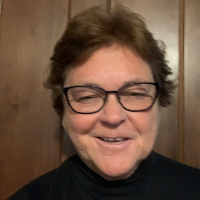
Donna Smith, LMHC
New York · 35 years in practice
Donna Smith is a licensed mental health counselor (LMHC) based in New York with 35 years of experience.
License and registration
- LMHC, New York
- 001003 · expires December 2026
- NPI
- 1538374947 · national provider identifier
- Years in practice
- 35
- Languages
- English
Details are as listed on the therapist's public professional profile. You can check the license with the issuing state board, and the NPI with the national registry.
About Donna
Donna Smith is a licensed mental health counselor (LMHC) based in New York with 35 years of experience. She helps people facing stress, anxiety, depression, grief, relationship and intimacy concerns, and struggles with addiction or trauma. Donna also supports people coping with parenting pressures, compassion fatigue, ADHD, and identity questions such as gender dysphoria and LGBT-related concerns.
Donna works in a straightforward, person-focused way. Sessions focus on what matters most to the individual and on practical steps they can try between meetings.
Background and approach
She favors approaches that center emotions and values alongside skills training, so people learn both understanding and tools they can use in daily life. Her background includes a master’s-level counseling education and decades in a range of mental health settings. That experience informs a calm, steady style aimed at helping people make clearer choices and feel more grounded during life changes.
In session Donna often blends Emotionally-Focused Therapy with acceptance and mindfulness-based methods to help people name their feelings and shift unhelpful patterns. She may also introduce cognitive-behavioral or dialectical skills when concrete strategies will help manage symptoms like anxiety or intense emotions. Donna values a collaborative partnership.
She frames therapy as a shared process where the client’s goals guide the pace and focus. She also brings creativity and an interest in writing to the work, which some people find helps them reflect and track progress over time.
Focus areas and approaches
Everything Donna lists on their public professional profile, in their own terms.
- Stress, Anxiety
- LGBT
- Relationship issues
- Grief
- Depression
- Addictions
- Family conflicts
- Trauma and abuse
- Intimacy-related issues
- Parenting issues
- Anger management
- Self esteem
- Bipolar disorder
- Coping with life changes
- Compassion fatigue
- ADHD
- Abandonment
- Aging and geriatric issues
- Attachment issues
- Codependency
- Commitment issues
- Communication problems
- Control issues
- Dependent personality
- Disruptive Mood Dysregulation Disorder (DMDD)
- Divorce and separation
- Emptiness
- Family of origin issues
- Family problems
- Forgiveness
- Gender dysphoria
- Guilt and shame
- Impulsivity
- Infidelity
- Isolation / loneliness
- Jealousy
- Life purpose
- Mood disorders
- Narcissism
- Obsessions, compulsions, and OCD
- Personality disorders
- Prejudice and discrimination
- Seasonal Affective Disorder (SAD)
- Self-harm
- Self-love
- Sexuality
- Social anxiety and phobia
- Women's issues
- Workplace issues
Approaches Donna names
- Emotionally-Focused Therapy (EFT)
- Acceptance and Commitment Therapy (ACT)
- Client-Centered Therapy
- Cognitive Behavioral Therapy (CBT)
- Dialectical Behavior Therapy (DBT)
- Mindfulness Therapy
- Motivational Interviewing
- Narrative Therapy
- Solution-Focused Therapy
- Internal Family Systems
Naming an approach is not evidence of training in it. This directory copies what each therapist lists and does not check training records.
Online support
How emotion-focused and evidence-based approaches work online
Emotionally-Focused Therapy helps people identify and name core feelings and attachment needs that drive their behavior. Online sessions can guide someone to recognize emotional patterns and try new ways of relating to themselves and others.Acceptance and Commitment Therapy encourages people to clarify what matters most to them and to take small committed actions toward those values. In teletherapy ACT exercises often include short experiential tasks and values-based homework that fit into everyday routines.
Client-Centered Therapy centers the person’s experience and pace. The therapist listens deeply and follows the client’s lead, creating space for reflection and for the person to find their own solutions.
Deciding which approach to use is part of the work together. Donna will discuss goals, preferences, and practical needs and help decide which methods to try first. That collaborative planning can be adjusted as therapy progresses.
Online formats - video calls, phone sessions, live chat, and text-based messaging - make it easier to fit therapy into a busy life. Video lets people see facial cues and work through emotions in real time. Phone sessions can be lower bandwidth and useful when video is difficult. Live chat or messaging can be used for brief check-ins, journaling prompts, or to maintain momentum between longer sessions. These options offer flexibility so therapy can match a person’s schedule and communication style.
We will earn a commission if you sign up through our link, at no cost to you. It does not change what you pay or the order of the listings.
Questions people ask
What concerns does Donna address in sessions?
She supports people with stress, anxiety, depression, grief, trauma and abuse, addictions, relationship and intimacy issues, parenting strain, ADHD, and related areas such as self-esteem and anger.
How would you describe her therapeutic style?
Donna uses a warm, person-centered approach that focuses on emotions and everyday coping. Sessions aim to combine understanding feelings with practical steps to try between meetings.
What kind of experience does she bring?
Donna has 35 years of experience working in a variety of mental health settings and brings long-term clinical experience to one-on-one therapy work.
What are her credentials and where is she located?
She is a licensed mental health counselor, LMHC, licensed in New York, and practices from New York.
Which languages are supported for sessions?
Sessions are offered in English.
What session formats are used for online work?
She offers video calls, phone sessions, live chat, and text-based messaging as ways to connect.
How does billing and cost work?
Costs vary with location and therapist availability; sessions are delivered through a subscription model that can be canceled at any time.
How do I begin the process to work with her?
Start by selecting the Start Therapy button, complete a short matching questionnaire, and then schedule a session based on therapist availability.
More therapists in New York
See all
JoAnn Park
LCSW
Experienced LCSW focusing on emotion and healing
- Stress, Anxiety
- Addictions
- Relationship
Tammy Piazza
LMHC
Practical skills for stronger emotional balance
- Stress, Anxiety
- Addictions
- Trauma and abuse
Rachael Figueroa
LCSW
Compassionate, emotion-focused therapy for real life
- Stress, Anxiety
- Grief
- Anger
Is this your profile?
Ask us to correct details or take the page down.
Contact us