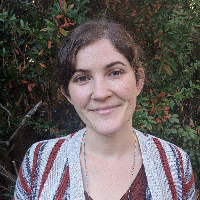
Jorie Wehrell, LMFT
Washington · 14 years in practice
Jorie Wehrell is a licensed marriage and family therapist (LMFT) in Washington who focuses on Emotionally-Focused Therapy alongside attachment and client-centered approaches.
License and registration
- LMFT, Washington
- LF60231144 · expires May 2026
- NPI
- 1740558394 · national provider identifier
- Years in practice
- 14
- Languages
- English
Details are as listed on the therapist's public professional profile. You can check the license with the issuing state board, and the NPI with the national registry.
About Jorie
Jorie Wehrell is a licensed marriage and family therapist (LMFT) in Washington who focuses on Emotionally-Focused Therapy alongside attachment and client-centered approaches. She brings 14 years of experience working in many clinical settings and aims to help people understand why they react the way they do. Jorie uses clear, practical steps so clients can work toward measurable change.
She began in social services and has worked in therapeutic group homes, juvenile justice, community mental health, and independent practice.
Background and approach
That range shaped her ability to adapt to different needs and life situations. She listens for patterns that cause pain and looks for small changes that make daily life easier. Jorie pays attention to how relationships and past experiences shape current concerns.
She helps people name those patterns and try new ways of responding. Sessions often include setting concrete goals and practicing new skills between meetings. Her work addresses stress, anxiety, depression, relationship and family concerns, parenting strain, grief, trauma, addictions, and LGBTQ issues.
She also focuses on attachment problems, blended family dynamics, codependency, communication troubles, fertility and pregnancy-related issues, and life transitions. Clients can expect a collaborative, active style that centers their perspective. Jorie uses Emotionally-Focused Therapy, attachment-based ideas, client-centered techniques, and cognitive-behavioral tools as fits each person.
She aims to support steady progress while keeping goals realistic and practical.
Focus areas and approaches
Everything Jorie lists on their public professional profile, in their own terms.
- Stress, Anxiety
- Relationship issues
- Family conflicts
- Parenting issues
- Depression
- Addictions
- LGBT
- Trauma and abuse
- Grief
- Intimacy-related issues
- Eating disorders
- Anger management
- Self esteem
- Career difficulties
- Bipolar disorder
- Coping with life changes
- ADHD
- Attachment issues
- Blended family issues
- Codependency
- Commitment issues
- Communication problems
- Emptiness
- Family of origin issues
- Family problems
- Fertility issues
- Life purpose
- Mood disorders
- Postpartum depression
- Pregnancy and childbirth
- Seasonal Affective Disorder (SAD)
- Women's issues
Approaches Jorie names
- Emotionally-Focused Therapy (EFT)
- Attachment-Based Therapy
- Client-Centered Therapy
- Cognitive Behavioral Therapy (CBT)
- Motivational Interviewing
- Narrative Therapy
- Psychodynamic Therapy
Naming an approach is not evidence of training in it. This directory copies what each therapist lists and does not check training records.
Online support
How online therapy uses emotion and attachment work
Emotionally-Focused Therapy helps people notice and name strong feelings and the needs behind them. It is useful when relationship patterns cause repeated hurt or distance and when reconnecting emotionally is a goal.Attachment-Based Therapy looks at how early bonds influence current relationships and coping. This approach supports people working through attachment issues, codependency, and blended-family dynamics by tracing patterns and trying new, healthier responses.
Client-Centered Therapy focuses on listening and reflecting so the client leads the pace and topics. It helps people who need acceptance and a steady, understanding space to sort out their goals.
Finding the right mix of approaches is part of therapy. The therapist will work together with each person to choose methods that match their needs, goals, and preferences. That collaboration helps shape short-term goals and longer-term plans.
Online formats include video calls, phone sessions, live chat, and text-based messaging. Video is useful for in-depth conversations and reading nonverbal cues. Phone calls can fit a work break or be easier when bandwidth is limited. Live chat and text sessions suit quick check-ins, brief coaching, or people who prefer typed communication. These options make therapy more flexible and easier to fit into daily life.
We will earn a commission if you sign up through our link, at no cost to you. It does not change what you pay or the order of the listings.
Questions people ask
What kinds of problems does Jorie help with?
She works with stress, anxiety, depression, relationship and family concerns, parenting strain, grief, trauma, addictions, and LGBTQ issues, plus specific topics like fertility, postpartum concerns, and mood disorders.
What is Jorie's therapeutic style like?
Her style is collaborative and active, combining Emotionally-Focused Therapy, attachment-based perspectives, client-centered work, and cognitive behavioral tools to set concrete goals and practice new skills.
How much clinical experience does she have?
Jorie has 14 years of experience working in a variety of settings including group homes, juvenile justice, community mental health, and independent practice.
What credentials and location should I know about?
She is a licensed marriage and family therapist - LMFT - with a Washington license and practices from that state.
Can I work with her if I live outside the United States?
Sessions are offered to international clients and are conducted in English.
Which session formats are available?
She offers video calls, phone sessions, live chat, and text-based messaging to fit different preferences and schedules.
How does payment and cost work?
Cost varies by location and therapist availability; sessions use a subscription model that can be canceled at any time.
What steps do I take to begin therapy?
Use the Start Therapy button, complete a short matching questionnaire, and then schedule sessions according to therapist availability.
More therapists in Washington
See allDr. Heidi Duong
LMHC
Compassionate therapist helping you find greater life meaning
- Stress, Anxiety
- Trauma and abuse
- Eating

Jamie Clausen
LMHC
Compassionate counselor focused on practical skills
- Stress, Anxiety
- Trauma and abuse
- Self esteem


Daniel Schroeder
LMHC
Emotion-focused counselor guiding real change
- Stress, Anxiety
- Relationship
- Family

Is this your profile?
Ask us to correct details or take the page down.
Contact us