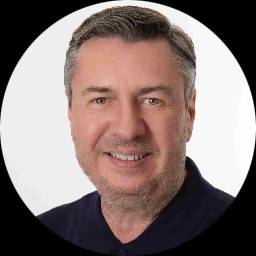
Mark Lowman, NCPS, BACP
3 years in practice
Mark Lowman is a psychotherapist based in the United Kingdom who helps people facing stress, anxiety, trauma and abuse, low self-esteem and relationship or intimacy-related issues.
License and registration
- NCPS
- NCS22-00493 NCPS Accredited Registrant
- BACP
- 413812 · expires May 2026
- NCPS
- NCS22-00493 · expires April 2026
- Years in practice
- 3
- Languages
- English
Details are as listed on the therapist's public professional profile. You can check the registration with the body that granted it.
About Mark
Mark Lowman is a psychotherapist based in the United Kingdom who helps people facing stress, anxiety, trauma and abuse, low self-esteem and relationship or intimacy-related issues. He works with those dealing with career pressures, addiction-related behaviours, anger and depression. Mark presents a calm, respectful manner and aims to give clients practical ways to cope alongside time to talk.
He uses Emotionally-Focused Therapy alongside other approaches to help people notice and name the emotions that drive difficult patterns.
Background and approach
Mark also draws on Acceptance and Commitment Therapy, Client-Centred Therapy, Cognitive Behavioral Therapy and Dialectical Behavior Therapy to tailor sessions to each person’s needs. Sessions focus on clear, grounded steps. Conversations include checking how feelings show up, trying simple coping skills, and planning small changes that suit everyday life.
Practical tools may include breathing and grounding techniques, thought-challenging exercises, and ways to communicate needs more clearly. Mark trained and worked in professional and corporate settings before moving into counselling, so he understands workplace stress and career-related pressure. He has three years of clinical experience and holds NCPS and BACP credentials as listed.
Appointments are offered in English and are delivered via video calls, phone sessions, live chat, or text-based messaging. Work is collaborative - Mark aims to help people build confidence, manage overwhelm, and find clearer ways forward.
Focus areas and approaches
Everything Mark lists on their public professional profile, in their own terms.
- Stress, Anxiety
- Trauma and abuse
- Self esteem
- Career difficulties
- Coping with life changes
- Addictions
- Relationship issues
- Intimacy-related issues
- Anger management
- Depression
- Abandonment
- Attachment issues
- Body image
- Communication problems
- Coping with natural or human-caused disaster
- Dependent personality
- Divorce and separation
- Emptiness
- Forgiveness
- Guilt and shame
- Hoarding
- Impulsivity
- Infidelity
- Isolation / loneliness
- Jealousy
- Life purpose
- Men's issues
- Veteran and Armed Forces Issues
- Money and financial issues
- Narcissism
- Obsessions, compulsions, and OCD
- Panic disorder and panic attacks
- Phobias
- Post-traumatic stress
- Process addiction (porn, exercise, gambling)
- Seasonal Affective Disorder (SAD)
- Self-love
- Sex addiction
- Sexual assault and abuse
- Social anxiety and phobia
- Workplace issues
Approaches Mark names
- Emotionally-Focused Therapy (EFT)
- Acceptance and Commitment Therapy (ACT)
- Client-Centered Therapy
- Cognitive Behavioral Therapy (CBT)
- Dialectical Behavior Therapy (DBT)
- Hypnotherapy
- Mindfulness Therapy
- Narrative Therapy
- Psychodynamic Therapy
- Solution-Focused Therapy
- Trauma-Focused Therapy
- Internal Family Systems
Naming an approach is not evidence of training in it. This directory copies what each therapist lists and does not check training records.
Online support
How Mark’s approaches translate to online therapy
Mark often uses Emotionally-Focused Therapy to help people name and work with the feelings that underlie repeated patterns. EFT focuses on recognising emotions, understanding how they shape reactions, and trying different ways of responding to build more helpful emotional patterns.He also uses Acceptance and Commitment Therapy to help people notice difficult thoughts and feelings, and then choose actions that match their values. ACT is useful for stress, anxiety and coping with life changes. Client-Centred Therapy is another element of his work, offering an accepting, non-judgemental space where the individual sets the pace and direction of sessions.
Finding the right mix of methods is part of the process. The therapist will work with each person to choose approaches that fit their needs, goals and preferences. That collaboration means techniques can be adapted over time as progress is tracked.
Online sessions are available by video call, phone, live chat or text-based messaging. Video calls let people see and respond to non-verbal cues, phone sessions can be a good choice when bandwidth is limited, and brief check-ins by message can help maintain momentum between meetings. These options make it easier to fit therapy around work, caregiving or travel commitments, and allow different ways to engage depending on energy levels and daily routine.
We will earn a commission if you sign up through our link, at no cost to you. It does not change what you pay or the order of the listings.
Questions people ask
What issues can be addressed in sessions?
He helps people with stress, anxiety, trauma and abuse, low self-esteem, relationship and intimacy-related issues, career pressures, addictions, anger and depression, plus a range of related concerns such as abandonment, attachment problems and body image.
What is his therapeutic style like?
Sessions are warm and practical. Mark combines emotional reflection with straightforward skills you can try between meetings.
What experience does he bring?
He has three years of clinical experience and a background working in professional and corporate settings, which informs his understanding of workplace stress and career challenges.
What credentials and location are listed?
Credentials listed are NCPS and BACP. He practises from the United Kingdom.
Which languages are supported and are international clients accepted?
Sessions are offered in English. International clients are not currently accepted.
Which session formats does he offer?
He runs video calls, phone sessions, live chat, and text-based messaging to suit different needs and schedules.
How does pricing work?
Cost varies with location and therapist availability; sessions are provided through a subscription model that can be cancelled at any time.
How do I begin working with him?
To start, select the Start Therapy button, complete a short matching questionnaire, and then schedule sessions according to the therapist's availability.
Is this your profile?
Ask us to correct details or take the page down.
Contact us