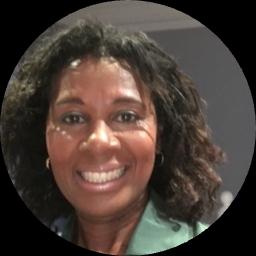
Patricia Thomas, BACP
25 years in practice
Patricia Thomas offers calm, straightforward support for people feeling overwhelmed by stress, anxiety, depression or loss.
License and registration
- BACP
- 9029 · expires October 2026
- Years in practice
- 25
- Languages
- English
Details are as listed on the therapist's public professional profile. You can check the registration with the body that granted it.
About Patricia
Patricia Thomas offers calm, straightforward support for people feeling overwhelmed by stress, anxiety, depression or loss. She focuses on helping clients sort through relationship pain, family conflict, eating and intimacy issues, and the emotional fallout of trauma. Patricia writes plainly and listens closely so people can make steady changes that fit their life.
Patricia uses familiar, practical methods in sessions. She works from a client-centred stance that treats each person as the expert on their own life.
Background and approach
She also draws on Emotionally-Focused Therapy to help people understand and shift painful patterns in close relationships. Her approach keeps things simple. Sessions are a chance to talk about what matters most, notice emotional responses, and try small changes that build over time.
She mixes longer conversations with short goal-focused steps when those suit the person’s aims. Patricia brings 25 years of experience in the United Kingdom and is listed with the British Association for Counselling and Psychotherapy, BACP. That career has included supporting people through grief, separation, infidelity, anger and problems with self-esteem.
People who choose Patricia often want a quiet, collaborative space to work through attachment and abandonment worries, codependency or control issues. She also offers help around parenting stress, communication problems and coping with life changes. Her sessions aim to balance emotional understanding with practical ways to cope and move forward.
The tone is compassionate and straightforward, with an emphasis on small, achievable steps.
Focus areas and approaches
Everything Patricia lists on their public professional profile, in their own terms.
- Stress, Anxiety
- Relationship issues
- Family conflicts
- Trauma and abuse
- Depression
- Grief
- Intimacy-related issues
- Eating disorders
- Parenting issues
- Anger management
- Self esteem
- Coping with life changes
- Coaching
- Abandonment
- Attachment issues
- Avoidant personality
- Body image
- Codependency
- Commitment issues
- Communication problems
- Control issues
- Dependent personality
- Dissociation
- Divorce and separation
- Domestic violence
- Family problems
- Guilt and shame
- Infidelity
- Jealousy
- Life purpose
- Midlife crisis
- Multicultural concerns
- Obsessions, compulsions, and OCD
- Polyamory / non-monogamous relationships
- Postpartum depression
- Prejudice and discrimination
- Seasonal Affective Disorder (SAD)
- Sexual assault and abuse
- Women's issues
- Young adult issues
Approaches Patricia names
Naming an approach is not evidence of training in it. This directory copies what each therapist lists and does not check training records.
Online support
How Emotion and Practical Change Work Online
Patricia commonly uses Emotionally-Focused Therapy to help people see the interaction between feelings and relationship patterns. EFT aims to identify painful emotional cycles and open up different ways of responding to improve closeness and personal understanding.She also uses client-centred therapy which puts the person’s experience at the centre of every session. That approach emphasises listening, reflection and helping people find their own solutions. Together these approaches can help with attachment worries, abandonment fears, codependency and communication problems.
Choosing the right approach is something to decide together. Patricia will talk with each person about their needs, goals and preferences and adapt the way she works as therapy progresses. This collaborative process helps shape whether sessions stay more emotion-focused, reflective, or goal-directed.
Online work offers clear practical benefits. Video calls let people see non-verbal cues and hold fuller conversations. Phone sessions can be easier when bandwidth is limited or a quieter voice-only check-in is preferred. Live chat and text-based messaging suit shorter check-ins, notes between sessions or people who find typing more comfortable. These options make it easier to fit therapy around work, family and daily life.
We will earn a commission if you sign up through our link, at no cost to you. It does not change what you pay or the order of the listings.
Questions people ask
What concerns does Patricia commonly help with?
She works with stress, anxiety, depression, trauma and grief. She also helps people with relationship pain, family issues, intimacy and body image concerns.
What is her therapeutic style like?
Her style is collaborative and down-to-earth. She combines client-centred listening with emotion-focused work and practical, solution-oriented steps.
How much experience does she bring?
Patricia has 25 years of professional experience supporting people through a wide range of emotional and relational difficulties.
What qualifications and location are listed?
She is registered with the British Association for Counselling and Psychotherapy, BACP, and practises in the United Kingdom.
Which languages and international options are available?
Sessions are offered in English. She is not currently accepting international clients.
Which formats are offered for sessions?
Sessions can take place by video call, phone, live chat or text-based messaging depending on the person’s preference.
How are sessions paid for and what do they cost?
Costs vary with location and therapist availability; sessions use a subscription model that can be cancelled at any time.
What should someone do to begin working with Patricia?
Start by selecting the Start Therapy button and completing a short matching questionnaire. After that you can schedule sessions according to therapist availability.
Is this your profile?
Ask us to correct details or take the page down.
Contact us