
Shlomo Schloss, LICSW
Minnesota · 10 years in practice
Shlomo Schloss is a licensed clinical social worker (LICSW) who brings ten years of psychotherapy experience to his practice.
License and registration
- LICSW, Minnesota
- 26752 · expires October 2027
- NPI
- 1821413816 · national provider identifier
- Years in practice
- 10
- Languages
- English
Details are as listed on the therapist's public professional profile. You can check the license with the issuing state board, and the NPI with the national registry.
About Shlomo
Shlomo Schloss is a licensed clinical social worker (LICSW) who brings ten years of psychotherapy experience to his practice. He offers a warm, interactive style that focuses on listening first and tailoring sessions to each person's needs. Shlomo aims to create a respectful, compassionate space for people who are ready to make changes in their life.
He often helps people who are coping with anxiety, depression, stress, grief, and life transitions.
Background and approach
He also supports those dealing with relationship and intimacy concerns, parenting strain, addiction issues, and challenges related to trauma or emotional abuse. Practical goals and day-to-day coping strategies are common topics in sessions. Shlomo draws on approaches that emphasize emotions and attachment.
He uses Emotionally-Focused Therapy ideas to help people notice and name feelings, and Attachment-Based Therapy concepts to look at how past patterns affect current relationships. He also works from a client-centered stance, keeping the conversation focused on what matters most to the person in front of him.
His background includes years of work with people facing family of origin struggles, abandonment and commitment concerns, chronic illness or pain, and issues like anger, low self-esteem, or dissociation. He has experience addressing first responder stress, fatherhood questions, and concerns common among men. Shlomo practices in Minnesota and offers multiple remote options.
He aims to help people build clearer goals, stronger emotional awareness, and practical steps toward a more satisfying life.
Focus areas and approaches
Everything Shlomo lists on their public professional profile, in their own terms.
- Stress, Anxiety
- Relationship issues
- Trauma and abuse
- Intimacy-related issues
- Parenting issues
- Addictions
- LGBT
- Family conflicts
- Grief
- Eating disorders
- Sleeping disorders
- Anger management
- Self esteem
- Career difficulties
- Depression
- Coping with life changes
- Coaching
- Compassion fatigue
- ADHD
- Abandonment
- Attachment issues
- Chronic pain, illness, and disability
- Commitment issues
- Control issues
- Dependent personality
- Dissociation
- Emptiness
- Family of origin issues
- Family problems
- Fatherhood issues
- First responder issues
- Forgiveness
- Jealousy
- Men's issues
- Midlife crisis
- Money and financial issues
- Mood disorders
- Multicultural concerns
- Postpartum depression
- Pregnancy and childbirth
- Prejudice and discrimination
- Process addiction (porn, exercise, gambling)
- Sexuality
- Women's issues
- Workplace issues
Approaches Shlomo names
- Emotionally-Focused Therapy (EFT)
- Attachment-Based Therapy
- Client-Centered Therapy
- Existential Therapy
- Gottman Method
- Imago Relationship Therapy
- Jungian Therapy
- Motivational Interviewing
- Narrative Therapy
- Psychodynamic Therapy
- Solution-Focused Therapy
- Trauma-Focused Therapy
Naming an approach is not evidence of training in it. This directory copies what each therapist lists and does not check training records.
Online support
Emotion and attachment work through online sessions
Shlomo uses Emotionally-Focused Therapy ideas to help people name and respond to strong feelings. This approach focuses on recognizing emotional patterns and using that awareness to change how people relate to themselves and others. It can be useful for anxiety, relationship strain, grief, and trauma-related reactions.He also draws on Attachment-Based Therapy to look at how early connection patterns influence current behavior and relationship choices. That work helps people understand why certain triggers feel familiar and how to develop healthier interaction habits. He pairs these with a client-centered stance that keeps the person's needs and goals at the center of each session.
Finding the right approach is part of the process, and Shlomo works collaboratively to decide what fits best. He will discuss goals, preferences, and practical concerns with each person and adjust methods as therapy progresses.
Online formats include video calls, phone sessions, live chat, and text-based messaging. Video is well suited for deeper, interactive work, while phone calls can fit shorter check-ins or times of low bandwidth. Live chat and text messaging can be useful for brief updates, ongoing coaching, or when someone prefers not to be on camera. These options offer flexibility to fit therapy into busy schedules and different life situations.
We will earn a commission if you sign up through our link, at no cost to you. It does not change what you pay or the order of the listings.
Questions people ask
What kinds of concerns can Shlomo help with?
He works with stress, anxiety, depression, relationship and intimacy matters, parenting strain, addiction, trauma and abuse, grief, sleep and eating issues, anger, self-esteem, career challenges, ADHD, and related concerns.
What is his therapeutic style like?
His style is warm and interactive, focused on listening and tailoring sessions to each person. He emphasizes emotional awareness and respectful, nonjudgmental conversation.
How much clinical experience does he have?
He has ten years of experience working as a psychotherapist with people facing a wide range of life and mental health challenges.
Where is he based and what are his credentials?
He practices in Minnesota and holds the LICSW credential. The listing notes a Minnesota LICSW.
Which languages and international options are available?
Sessions are offered in English and he accepts international clients.
What session formats are available?
He offers video calls, phone sessions, live chat, and text-based messaging for remote work.
How does cost and billing work?
Cost varies with location and therapist availability; sessions use a subscription model that can be canceled at any time.
What are the first steps to begin therapy?
Start by selecting the Start Therapy button, complete a short matching questionnaire, and then schedule sessions according to the therapist's availability.
More therapists in Minnesota
See allPietro (Pete) Martucci
LPCC
Compassionate, practical counseling for everyday struggles
- Stress, Anxiety
- LGBT
- Trauma and abuse
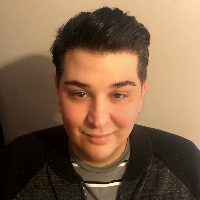
Mary Gales-Wenz
LICSW
Compassionate practical therapy from an experienced LICSW
- Stress, Anxiety
- Addictions
- Trauma and abuse
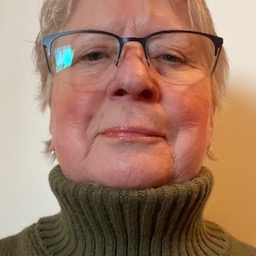
Wendy Alm
LMFT
Calm, practical therapy for relationships and life changes
- Stress, Anxiety
- Relationship
- Family

Jennifer Kim-Ardakani
LMFT
Compassionate therapist focusing on emotion and connection
- Stress, Anxiety
- Relationship
- Trauma and abuse

Is this your profile?
Ask us to correct details or take the page down.
Contact us