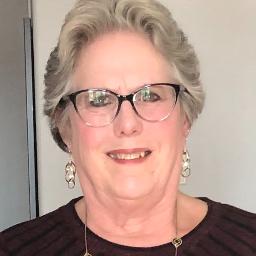
Margaret Couch
LCSW
Compassionate therapist focused on practical change
- Stress, Anxiety
- Parenting
- Bipolar
Illinois 41 years in practice
Clinical social work directory
129 therapists in this directory hold a licence issued in Illinois and name systemic therapy among their approaches. Sessions are online; a US therapist can usually only see people in a state where they hold a licence, so check the credentials panel on each profile.
Welcome to our directory of online therapists serving Illinois. All therapists listed here are licensed; explore profiles to compare approaches, focus areas, credentials, and languages to find a good match.
LCSW
Compassionate therapist focused on practical change
LCSW
Trusted LCSW for emotional and relationship challenges
LCPC
Compassionate counselor guiding steady change
LCSW
Experienced LCSW offering compassionate emotional work
LCSW
Practical emotional work with steady support
IL Psychologist
A calm, practical therapist for relationship change
LCPC
Experienced counselor focusing on emotion and connection
LCSW
Compassionate support for intense emotions
LCSW
Compassionate, experienced help for emotional change
LCPC
Experienced counselor focused on emotion and connection
LCPC
Conversational, strength-based counselor focused on connection
LCPC
Compassionate help for trauma and mood concerns
LCPC
Practical, compassionate therapy for inner change
LCPC
22 years helping people through strong emotions
LCSW
Compassionate LCSW focusing on emotional change
LCPC
Compassionate, practical counseling for everyday struggles
LCSW
Helping people find clarity and lasting change
LCSW
Compassionate, practical therapy for life challenges
LCPC
Compassionate trauma and addiction care
LCPC
Compassionate counselor guiding emotional healing
LCPC
Supportive therapist for emotional connection
LCSW
Experienced LCSW focused on emotions and attachment
LCSW
Calm support for stress and self-esteem
LCPC
Compassionate counselor helping people take practical steps
LCSW
Warm, relationship-focused clinical social worker
LMFT
Compassionate, practical therapy for real-life struggles
LCPC
Collaborative, practical therapy for emotional challenges
LCSW
Calm, practical therapy for intense feelings
LPC, LCPC
Calm, practical support for stress and relationships
LCPC
Compassionate counselor for emotional healing
LCSW
Calm, practical therapy for life’s turning points
LCSW
Experienced LCSW focused on emotional healing
LMFT
Therapist focused on emotional connection and practical change
LCSW
Calm, practical support for life transitions
LCSW
Compassionate, skills-focused mental health support
LCSW
Practical, relationship-focused therapy for adults
IL Psychologist
Experienced psychologist focused on practical change
LPC, LPCC
Compassionate therapist focused on emotional growth
LCPC
Warm, practical therapy for adult challenges
Some links on this page are partner links. We will earn a commission if you sign up through one, at no cost to you. It does not change what you pay or the order of the listings.
Online therapy has become an established option for many people living in Illinois. State regulations govern where a therapist must be licensed to offer services, and most clinicians who provide remote care ensure they practice in accordance with Illinois rules. You will find practitioners who work from different parts of the state and who describe a range of approaches on their profiles. These profiles typically list the clinician's education, license type, areas of focus such as anxiety or relationship concerns, and any languages they speak. Because the practice of therapy is administered by regulated boards, you can expect profiles to include licensing details that help you confirm a clinician's professional standing. Online formats vary - some therapists note that they work by video, by phone, or by messaging - and many include short bios that describe how they engage with people in virtual sessions.
Choosing online therapy can remove logistical barriers that make in-person visits difficult. If you live in a rural area of Illinois or a busy urban neighborhood, remote sessions let you meet with a therapist without traveling. That saves time and can mean more consistent care if travel, childcare, or work schedules are limiting factors. Online sessions also widen the pool of clinicians you can connect with - you may find someone who lists a particular therapeutic approach or who speaks your preferred language even if they are located in another region of the state. For people who experience mobility challenges or who are managing chronic conditions, the convenience of meeting from home - or from wherever you are comfortable - can make it easier to keep appointments. In addition, online formats often allow for more flexible scheduling windows, which can help you integrate therapy into a busy life. While online therapy works well for many concerns, it is important to choose a clinician whose style and methods align with the issues you want to address.
Therapists who offer remote work in Illinois commonly support people with a broad range of emotional and relational concerns. You will find professionals who list experience working with anxiety, depression, stress related to work or school, grief and loss, life transitions, and relationship challenges. Couples and families may find therapists who list relationship-focused approaches among their specialties, while individuals seeking support for trauma-related distress can find clinicians who list trauma-informed approaches. Many profiles also show clinicians who work with specific populations, such as teenagers, parents, older adults, or members of LGBTQ+ communities. If you are seeking help for substance use, eating concerns, or ongoing mood difficulties, there are clinicians who describe work with these topics; sometimes that work includes coordination with other health professionals. When you read profiles, pay attention to the language therapists use to describe the goals of their work and the types of interventions they offer, such as talk therapy, skills training, or brief structured sessions. Because online therapy removes geographic constraints, you can often find clinicians whose focus aligns closely with the issue you want to address.
It is important to know how to confirm that a clinician is licensed to practice in Illinois. Most therapist profiles include the license type and state; typical professional licenses in Illinois include those for clinical social workers, marriage and family therapists, professional counselors, and psychologists. To verify a license, you can consult the Illinois licensing board websites, which allow you to search by name or license number and will show whether a license is active and whether any public disciplinary history exists. When you review a profile, note the exact name and license number shown so you can match it against official records. If a profile lists degrees or graduate programs, you can confirm those details through the issuing institution if you want further assurance. Keep in mind that while profiles often list therapeutic approaches or specialties, the fact that a clinician lists an approach does not mean a particular credential or certification is held in that method. Using the state board search tools gives you the most reliable public information about licensing status in Illinois.
When you decide to pursue online therapy, start by clarifying what you want to work on and what matters most in a therapist. Some people prioritize a clinician who lists experience with their specific concern, while others place more weight on communication style, cultural understanding, or shared language. Read profiles carefully to learn how therapists describe their approaches and professional backgrounds. You may find descriptions of session structure, fees, and whether the clinician offers short-term work or longer-term support. Make a note of any questions you want to ask, such as how the clinician structures remote sessions, what a typical session looks like, and what forms of payment are accepted. Gathering this information ahead of time helps you have focused conversations when you reach out.
When you contact a clinician, you can introduce yourself briefly and mention the issues you want to address and any practical needs, such as language preference or scheduling constraints. Therapists often provide an initial conversation to help determine fit and to describe their approach. During early sessions, you can expect to talk about your goals, relevant history, and what a helpful outcome would look like for you. It is reasonable to discuss logistics such as how sessions are conducted online, what to do in case of emergencies, and what kind of communication is used between sessions. As you begin, pay attention to how the clinician listens, whether their style helps you feel understood, and whether their methods resonate with you. It is common for people to try a few sessions before deciding whether to continue with a particular clinician.
Trust your instincts about interpersonal fit while also considering concrete details. If language is important, look for therapists who list the language you prefer. If you have cultural or identity considerations, seek clinicians who reference relevant experience on their profiles. Note the therapeutic approaches mentioned, keeping in mind that profiles indicate what clinicians list as their methods rather than formal endorsements. Think about session length and frequency that would work for your life, and whether a clinician's described structure aligns with that. You can also ask how progress is tracked and how goals are reviewed over time. Finally, consider how comfortable you feel discussing sensitive topics in an online format and whether the clinician offers guidance on creating a calm and focused space for sessions at home.
Online therapy in Illinois offers a flexible pathway to care that can fit many lifestyles and needs. By reviewing therapist profiles, verifying licenses through Illinois boards, and asking thoughtful questions during initial contacts, you can find a clinician whose approach and experience match the support you want. Keep in mind that establishing rapport can take a few sessions, and it is acceptable to evaluate fit as you go. Whether you are looking for help with stress, relationships, mood, or life transitions, the directory can help you identify clinicians who describe relevant focus areas and professional backgrounds. Take your time exploring profiles, prepare the questions that matter most to you, and choose a therapist whose style encourages your progress and well-being.