
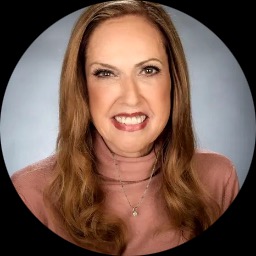
Deborah Taylor, LCSW
Illinois · 47 years in practice
Deborah Taylor is a licensed clinical social worker with 47 years of practice in Illinois.
License and registration
- LCSW, Illinois
- 149000448 · expires November 2027
- NPI
- 1063563484 · national provider identifier
- Years in practice
- 47
- Languages
- English
Details are as listed on the therapist's public professional profile. You can check the license with the issuing state board, and the NPI with the national registry.
About Deborah
Deborah Taylor is a licensed clinical social worker with 47 years of practice in Illinois. She helps people who are overwhelmed by stress, anxiety, depression, relationship pain, trauma, grief, body image and eating concerns. Her approach is warm and direct, aimed at making a difficult first step feel safer and clearer.
In sessions she encourages honest talk about what matters most. She creates space for feelings, thoughts, and hard memories without judgement.
Background and approach
Clients find practical ways to handle panic, obsessive worries, mood shifts, or the shame that can follow relationship problems and infidelity. Deborah draws on Emotionally-Focused Therapy to help people notice and change harmful interaction patterns and deepen emotional understanding. She also uses Acceptance and Commitment Therapy and Cognitive Behavioral Therapy to introduce skills for managing distress and unwanted thoughts.
Attachment-based and client-centered ideas guide how she builds trust and tailors the work to each person. Her style is collaborative. She listens first, then offers clear steps that fit daily life.
Work may include short exercises, new communication habits, and ways to reduce avoidance or compulsive behaviors. People come to her for help with major life shifts, parenting stresses, identity and LGBT concerns, and long-standing patterns like avoidant personality features. Deborah supports each person through steady, practical progress toward clearer goals and greater emotional balance.
Focus areas and approaches
Everything Deborah lists on their public professional profile, in their own terms.
- Stress, Anxiety
- Relationship issues
- Trauma and abuse
- Eating disorders
- Depression
- LGBT
- Family conflicts
- Grief
- Intimacy-related issues
- Self esteem
- Bipolar disorder
- Coping with life changes
- Attachment issues
- Avoidant personality
- Body image
- Communication problems
- Divorce and separation
- Eating and food-related issues
- Forgiveness
- Guilt and shame
- Infidelity
- Jealousy
- Life purpose
- Mood disorders
- Obsessions, compulsions, and OCD
- Panic disorder and panic attacks
- Personality disorders
- Postpartum depression
- Post-traumatic stress
- Seasonal Affective Disorder (SAD)
- Self-harm
- Self-love
- Sexual assault and abuse
- Somatization
- Women's issues
- Young adult issues
Approaches Deborah names
- Emotionally-Focused Therapy (EFT)
- Acceptance and Commitment Therapy (ACT)
- Attachment-Based Therapy
- Client-Centered Therapy
- Cognitive Behavioral Therapy (CBT)
Naming an approach is not evidence of training in it. This directory copies what each therapist lists and does not check training records.
Online support
Using emotion-focused and skills-based approaches online
Deborah integrates Emotionally-Focused Therapy to help people map emotional patterns and improve how they connect with others, which can ease relationship strain and intimacy problems. She also uses Acceptance and Commitment Therapy to teach practical ways to notice painful thoughts without getting stuck, and Cognitive Behavioral Therapy to offer skills that reduce panic, worry, and unhelpful behaviors. Choosing the right approach is a collaborative process. The therapist will listen to goals and concerns, suggest options, and adjust methods over time so the work matches what the person needs and prefers. Online sessions offer flexibility for different rhythms and needs. Video calls let people work face-to-face when deeper emotional work is helpful. Phone sessions can fit a short check-in or be used when bandwidth is limited. Live chat and text-based messaging make it easier to connect between appointments, share brief updates, or get short, timely support without scheduling a full session. These options help people fit therapy into busy lives and maintain steady momentum toward their goals.We will earn a commission if you sign up through our link, at no cost to you. It does not change what you pay or the order of the listings.
Questions people ask
What kinds of problems does Deborah help with?
She supports people with stress, anxiety, depression, relationship and intimacy issues, trauma and abuse, eating and body image concerns, grief, bipolar mood challenges, and related patterns such as avoidance, obsessions, panic, and personality disorder traits.
How would you describe her therapeutic style?
Her style is warm, direct, and collaborative. She listens closely, creates a nonjudgmental space, and works with clients to set realistic steps that fit their lives.
What is her professional background?
She is an LCSW with 47 years of professional work experience, providing long-term clinical support to people facing a wide range of emotional and relational concerns.
Where is she licensed and practicing?
She holds an Illinois LCSW and lists Illinois as her professional location.
Which languages are available for sessions?
Sessions are offered in English, and she accepts clients from other countries.
What formats are used for sessions?
Sessions can be conducted by video calls, phone sessions, live chat, or text-based messaging to match different needs and schedules.
How are fees and payment handled?
Cost varies with location and therapist availability; sessions use a subscription model that can be canceled at any time.
How does someone begin working with Deborah?
Start by selecting the Start Therapy button, completing a short matching questionnaire, and scheduling according to therapist availability.
More therapists in Illinois
See allMargaret Couch
LCSW
Compassionate therapist focused on practical change
- Stress, Anxiety
- Parenting
- Bipolar


Marianne Costales-Roman
LCSW
Trusted LCSW for emotional and relationship challenges
- Stress, Anxiety
- LGBT
- Parenting

Is this your profile?
Ask us to correct details or take the page down.
Contact us