
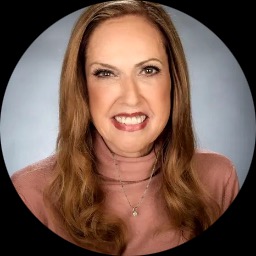
Mark German, LCPC
Illinois · 34 years in practice
Mark German is a licensed clinical professional counselor with 34 years of experience helping people face strong emotions and life changes.
License and registration
- LCPC, Illinois
- 180001866 · expires March 2027
- NPI
- 1922357268 · national provider identifier
- Years in practice
- 34
- Languages
- English
Details are as listed on the therapist's public professional profile. You can check the license with the issuing state board, and the NPI with the national registry.
About Mark
Mark German is a licensed clinical professional counselor with 34 years of experience helping people face strong emotions and life changes. He works directly with individuals on stress, anxiety, depression, grief, relationship concerns, addiction, and issues around self-esteem and intimacy. His tone is calm and straightforward, aiming to make therapy feel approachable for someone worried about where to start.
In sessions he focuses on feelings and patterns people bring to their relationships and daily life.
Background and approach
He uses Emotionally-Focused Therapy to look at emotion and connection, and other approaches to build practical skills for coping. Conversations are meant to clarify what matters most and to change behaviors that keep problems going. Clients can expect a steady, respectful space to talk through hard topics.
Mark helps people notice what triggers strong reactions and then practices new ways of responding. He also addresses sleep and eating concerns, impulsivity, and mood swings with clear, manageable strategies. He draws on Acceptance and Commitment Therapy and Cognitive Behavioral Therapy to combine mindful acceptance with action-focused steps.
Attachment-based ideas guide work on long-standing patterns such as abandonment worries or difficulty trusting others. The goal is to help people find more stability and purpose in daily life. Mark offers sessions to people in Illinois and accepts international clients in English.
He uses a subscription model that can be canceled at any time, and appointments are scheduled after completing a short matching questionnaire.
Focus areas and approaches
Everything Mark lists on their public professional profile, in their own terms.
- Stress, Anxiety
- Relationship issues
- Grief
- Self esteem
- Depression
- Addictions
- Trauma and abuse
- Intimacy-related issues
- Eating disorders
- Sleeping disorders
- Parenting issues
- Bipolar disorder
- Coaching
- Compassion fatigue
- ADHD
- Abandonment
- Attachment issues
- Body image
- Caregiver issues and stress
- Communication problems
- Control issues
- Divorce and separation
- Forgiveness
- Guilt and shame
- Impulsivity
- Isolation / loneliness
- Life purpose
- Midlife crisis
- Mood disorders
- Panic disorder and panic attacks
- Post-traumatic stress
- Sexuality
- Social anxiety and phobia
- Workplace issues
Approaches Mark names
- Emotionally-Focused Therapy (EFT)
- Acceptance and Commitment Therapy (ACT)
- Attachment-Based Therapy
- Client-Centered Therapy
- Cognitive Behavioral Therapy (CBT)
- Dialectical Behavior Therapy (DBT)
- Mindfulness Therapy
- Solution-Focused Therapy
- Trauma-Focused Therapy
Naming an approach is not evidence of training in it. This directory copies what each therapist lists and does not check training records.
Online support
How online therapy uses emotion-focused and action-oriented approaches
Emotionally-Focused Therapy (EFT) centers on emotions and attachment needs. It helps people notice core feelings, understand how those feelings shape responses, and practice new ways of connecting or relating. EFT can be useful for problems rooted in relationship patterns and deep emotional pain.Acceptance and Commitment Therapy (ACT) teaches acceptance of difficult thoughts and feelings while clarifying personal values. It pairs mindfulness with small action steps to help people move toward what matters, even with anxiety or low mood. Attachment-Based Therapy looks at early bonding and explores patterns like fear of abandonment or difficulty trusting others to change how someone responds now.
Finding the right approach is part of the therapy process. Mark will work with each person to choose methods that match their goals, preferences, and life situation. That collaborative planning helps shape a practical path forward rather than a one-size-fits-all plan.
Online formats include video calls, phone sessions, live chat, and text-based messaging. Video is useful for deeper conversations and visual cues. Phone calls can fit a busy schedule or when bandwidth is limited. Live chat and messaging are good for brief check-ins, coaching-style support, or ongoing reminders between longer sessions. These options aim to make regular work on emotions and behavior easier to keep up with.
We will earn a commission if you sign up through our link, at no cost to you. It does not change what you pay or the order of the listings.
Questions people ask
What kinds of concerns does Mark address?
He works with stress, anxiety, depression, grief, relationship and intimacy concerns, addictions, sleep and eating problems, ADHD, mood disorders, and related issues such as guilt, shame, and isolation.
How would you describe his therapy style?
He uses a feeling-focused and practical style that combines Emotionally-Focused Therapy with CBT and ACT ideas to help people notice emotions and then take workable steps forward.
What experience does he bring?
He has 34 years of professional experience working with complex emotional issues and life transitions, offering long-term clinical perspective and practical tools.
Where is he licensed and based?
He is an IL LCPC, which stands for Licensed Clinical Professional Counselor in Illinois, and he practices with that credential in the state.
Can sessions be done in other languages or from other countries?
Sessions are offered in English, and he accepts international clients who are able to work in English.
What formats are available for sessions?
He provides video calls, phone sessions, live chat, and text-based messaging to fit different schedules and communication preferences.
How does payment and cost work?
Costs vary with location and the subscription model is used for sessions; the subscription can be canceled at any time.
How do I begin working with him?
Start by selecting the Start Therapy button, complete a short matching questionnaire, and then schedule sessions according to therapist availability.
More therapists in Illinois
See allMargaret Couch
LCSW
Compassionate therapist focused on practical change
- Stress, Anxiety
- Parenting
- Bipolar


Marianne Costales-Roman
LCSW
Trusted LCSW for emotional and relationship challenges
- Stress, Anxiety
- LGBT
- Parenting

Is this your profile?
Ask us to correct details or take the page down.
Contact us