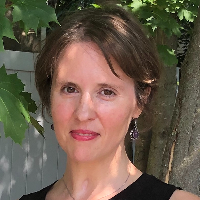
Abigail Baglione, LCSW
New York · 13 years in practice
Abigail Baglione is a licensed clinical social worker who helps people manage relationship struggles, trauma, anxiety, depression, addiction, grief, and challenges with self-esteem.
License and registration
- LCSW, New York
- 091666 · expires May 2026
- NPI
- 1225496110 · national provider identifier
- Years in practice
- 13
- Languages
- English
Details are as listed on the therapist's public professional profile. You can check the license with the issuing state board, and the NPI with the national registry.
About Abigail
Abigail Baglione is a licensed clinical social worker who helps people manage relationship struggles, trauma, anxiety, depression, addiction, grief, and challenges with self-esteem. She offers practical support for intimacy-related issues, anger, career stress, bipolar disorder, ADHD, and life transitions. Abigail draws on several proven approaches to help clients find steadier ground.
Abigail has 13 years of clinical experience and practices in New York. She emphasizes the role early attachments play in how people relate to others and to themselves.
Background and approach
That perspective often guides how she looks at patterns that repeat in relationships and everyday life. Her style is warm and straightforward. Sessions focus on understanding emotional patterns and building skills to handle strong feelings.
She blends emotion-focused work with tools from cognitive and acceptance-based approaches to create practical steps clients can use between sessions. Abigail has experience supporting people with intense emotion regulation needs and those affected by substance use. She also provides counseling for adults living with traumatic brain injury and the emotional changes that can follow.
She approaches all clients without judgment and aims to help them connect to their values and what matters most. Outside of talk therapy, Abigail is a 500-hour certified yoga teacher and incorporates body awareness and guided meditations when helpful. She invites people to request these practices during therapy if they wish.
Focus areas and approaches
Everything Abigail lists on their public professional profile, in their own terms.
- Relationship issues
- Family conflicts
- Trauma and abuse
- Self esteem
- Coping with life changes
- Stress, Anxiety
- Addictions
- LGBT
- Grief
- Intimacy-related issues
- Anger management
- Career difficulties
- Bipolar disorder
- Depression
- ADHD
- Abandonment
- Aging and geriatric issues
- Attachment issues
- Autism and Asperger Syndrome
- Avoidant personality
- Blended family issues
- Body image
- Chronic pain, illness, and disability
- Codependency
- Commitment issues
- Communication problems
- Control issues
- Dependent personality
- Drug and alcohol addiction
- Emptiness
- Family of origin issues
- Family problems
- Forgiveness
- Gender dysphoria
- Guilt and shame
- Hoarding
- Hospice and end-of-life counseling
- Infidelity
- Intellectual disability
- Isolation / loneliness
- Jealousy
- Life purpose
- Midlife crisis
- Mood disorders
- Narcissism
- Personality disorders
- Post-traumatic stress
- Seasonal Affective Disorder (SAD)
- Self-harm
- Self-love
- Sexuality
- Social anxiety and phobia
- Somatization
- Traumatic brain injury
- Trichotillomania
- Women's issues
- Young adult issues
Approaches Abigail names
- Emotionally-Focused Therapy (EFT)
- Acceptance and Commitment Therapy (ACT)
- Attachment-Based Therapy
- Client-Centered Therapy
- Cognitive Behavioral Therapy (CBT)
- Dialectical Behavior Therapy (DBT)
- Existential Therapy
- Imago Relationship Therapy
- Jungian Therapy
- Mindfulness Therapy
- Motivational Interviewing
- Narrative Therapy
- Psychodynamic Therapy
- Solution-Focused Therapy
- Trauma-Focused Therapy
Naming an approach is not evidence of training in it. This directory copies what each therapist lists and does not check training records.
Online support
How therapy approaches shape online care
Abigail often uses Emotionally-Focused Therapy to help people notice and name their feelings in relationships and to change unhelpful interaction cycles. EFT can be useful for people who want clearer emotional connection and improved communication. She also draws on Acceptance and Commitment Therapy, which focuses on identifying personal values and taking small steps toward them even when strong emotions are present. ACT can help with anxiety, mood struggles, and decisions about life changes.Attachment-Based work is another influence in her practice. That approach looks at how early bonds shape current beliefs about closeness and trust, and it helps people try new ways of relating. Choosing the right approach is a collaborative process; Abigail will work with each person to figure out what feels most useful based on goals, history, and how someone responds in the first sessions.
Online therapy offers flexible ways to access this work. Video calls let therapists and clients use visual cues and longer conversation time. Phone sessions can fit into a short break or when bandwidth is limited. Live chat and text-based messaging are useful for brief check-ins, homework prompts, or ongoing support between sessions. These options make it easier to keep therapy consistent around busy schedules and different life demands.
We will earn a commission if you sign up through our link, at no cost to you. It does not change what you pay or the order of the listings.
Questions people ask
What concerns does Abigail address in therapy?
She supports people facing relationship problems, trauma and abuse, anxiety, depression, addiction, grief, stress, and difficulties with self-esteem and intimacy.
What is her general approach in sessions?
She uses emotion-focused work alongside techniques from cognitive behavioral and acceptance-based therapies. Sessions mix talking, learning skills, and practical exercises you can use between appointments.
How much clinical experience does she have?
She brings 13 years of experience as a licensed clinician working with adults across a range of emotional and behavioral concerns.
What are her credentials and practice location?
She holds the LCSW credential and practices in New York.
Which languages are used in sessions?
Sessions are offered in English.
How are sessions delivered online?
Therapy is available via video calls, phone sessions, live chat, or text-based messaging to suit different needs and schedules.
How does billing and cost work?
Cost varies with location and therapist availability; sessions are provided through a subscription that can be canceled at any time.
How do I begin working with her?
Start by selecting the Start Therapy button, complete a short matching questionnaire, and then schedule a session based on the therapist's availability.
More therapists in New York
See all
JoAnn Park
LCSW
Experienced LCSW focusing on emotion and healing
- Stress, Anxiety
- Addictions
- Relationship

Tammy Piazza
LMHC
Practical skills for stronger emotional balance
- Stress, Anxiety
- Addictions
- Trauma and abuse

Rachael Figueroa
LCSW
Compassionate, emotion-focused therapy for real life
- Stress, Anxiety
- Grief
- Anger

Is this your profile?
Ask us to correct details or take the page down.
Contact us