
Amanda Lovin, LPC
Georgia · 9 years in practice
Amanda Lovin is a Licensed Professional Counselor (LPC) based in Georgia who draws on Emotionally-Focused Therapy alongside practical, skills-based methods.
License and registration
- LPC, Georgia
- LPC011573 · expires September 2026
- LPC, Colorado
- 0020592 · expires August 2027
- NPI
- 1508261223 · national provider identifier
- Years in practice
- 9
- Languages
- English
Details are as listed on the therapist's public professional profile. You can check the license with the issuing state board, and the NPI with the national registry.
About Amanda
Amanda Lovin is a Licensed Professional Counselor (LPC) based in Georgia who draws on Emotionally-Focused Therapy alongside practical, skills-based methods. She focuses on helping people manage stress, anxiety, depression, grief, and intimacy-related concerns. Her tone in sessions is warm and interactive, and she aims to give clear tools people can use between meetings.
Amanda has nine years of clinical experience working with trauma, addictions, and relationship concerns. She uses a mix of approaches such as cognitive behavioral techniques and attachment-informed ideas to match each person’s needs.
Background and approach
Sessions are shaped around what a person brings in and what feels most useful in the moment. Her work often involves coping strategies for life changes, managing intrusive or overwhelming emotions, and building steadier patterns in close relationships. She also supports people dealing with first responder and veteran-related stress, substance and process addictions, and compassion fatigue.
Amanda pays attention to issues like codependency, abandonment, and control struggles when they come up. The counseling style is collaborative. Amanda helps people notice patterns, try new ways of responding, and practice small changes that add up over time.
She stresses practical steps people can use outside sessions while holding space for deeper emotional processing. Sessions are offered in English and are available to international clients. Amanda works through video calls, phone sessions, live chat, and text-based messaging to fit different needs and schedules.
Focus areas and approaches
Everything Amanda lists on their public professional profile, in their own terms.
- Stress, Anxiety
- Relationship issues
- Trauma and abuse
- Intimacy-related issues
- ADHD
- Addictions
- Family conflicts
- Grief
- Self esteem
- Depression
- Coping with life changes
- Compassion fatigue
- Abandonment
- Codependency
- Commitment issues
- Control issues
- Coping with natural or human-caused disaster
- Dependent personality
- Dissociation
- Drug and alcohol addiction
- Emptiness
- First responder issues
- Forgiveness
- Guilt and shame
- Life purpose
- Veteran and Armed Forces Issues
- Polyamory / non-monogamous relationships
- Postpartum depression
- Post-traumatic stress
- Pregnancy and childbirth
- Self-harm
- Self-love
- Sexual assault and abuse
- Women's issues
Approaches Amanda names
- Emotionally-Focused Therapy (EFT)
- Acceptance and Commitment Therapy (ACT)
- Attachment-Based Therapy
- Client-Centered Therapy
- Cognitive Behavioral Therapy (CBT)
- Dialectical Behavior Therapy (DBT)
- Eye Movement Desensitization and Reprocessing (EMDR)
- Jungian Therapy
- Mindfulness Therapy
- Motivational Interviewing
- Narrative Therapy
- Psychodynamic Therapy
- Solution-Focused Therapy
- Trauma-Focused Therapy
Naming an approach is not evidence of training in it. This directory copies what each therapist lists and does not check training records.
Online support
Emotion and Skills-Focused Care Online
Amanda integrates Emotionally-Focused Therapy with Acceptance and Commitment Therapy and Attachment-Based ideas to guide online work. Emotionally-Focused Therapy helps people notice and name strong feelings and then use those feelings to build clearer patterns in relationships. Acceptance and Commitment Therapy (ACT) teaches practical ways to live toward chosen values while allowing difficult thoughts and feelings to exist without getting stuck. Attachment-Based approaches look at how past relationship patterns shape current responses and help people form steadier ways of connecting.Finding the right approach is a shared process. Amanda will talk with each person about their goals and preferences, then suggest methods to try. Together they adjust the work over time so the approach matches what actually helps in day-to-day life.
Online sessions use video calls, phone sessions, live chat, or text-based messaging to make counseling more flexible. Video works well for in-depth emotional work and reading nonverbal cues. Phone sessions can fit into a break at work or when bandwidth is limited. Live chat and text messaging make it easier to check in between meetings and to use brief, frequent support. These options help people keep therapy consistent while fitting it into busy lives.
We will earn a commission if you sign up through our link, at no cost to you. It does not change what you pay or the order of the listings.
Questions people ask
What kinds of concerns does Amanda address?
She helps people facing stress, anxiety, depression, grief, relationship and intimacy-related issues, trauma and abuse, addictions, ADHD, self-esteem struggles, and coping with life changes.
What is her therapeutic style like?
Sessions are warm and interactive. Amanda blends Emotionally-Focused Therapy with cognitive and behavior-based techniques to provide both emotional processing and practical skills.
How much clinical experience does she have?
Amanda has nine years of experience working in clinical settings with trauma, addiction, and relationship-related concerns.
What credentials and location apply to her practice?
She is a Licensed Professional Counselor (LPC) with credentials listed as CO LPC and GA LPC, and she is based in Georgia.
Which languages and international options are available?
Sessions are offered in English, and she accepts international clients.
What session formats does she use?
She provides video calls, phone sessions, live chat, and text-based messaging to suit different preferences and schedules.
How are costs and billing handled?
Costs vary with location and therapist availability; sessions use a subscription model that can be canceled at any time.
What are the first steps to begin therapy?
Start by selecting the Start Therapy button, complete a short matching questionnaire, and then schedule sessions according to therapist availability.
More therapists in Georgia
See all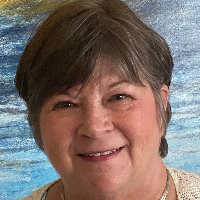
Farah Southwell
LPC
Compassionate emotional work with practical tools
- Stress, Anxiety
- Relationship
- Family

Cornelia Williams
LPC
Compassionate counselor who focuses on emotional connection
- Stress, Anxiety
- Addictions
- Relationship

Dr. Sharon Belhamel
LMFT
Compassionate therapy for life’s hard transitions
- Stress, Anxiety
- Relationship
- Career

Is this your profile?
Ask us to correct details or take the page down.
Contact us