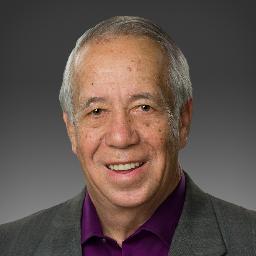
Curtis Spears, LMHC, LPC
Louisiana · 17 years in practice
Curtis Spears is a licensed mental health counselor who helps people manage stress, anxiety, depression, relationship and family concerns, grief, trauma, addictions, and a wide range of life challenges.
License and registration
- LPC, Louisiana
- 3768 · expires June 2026
- LPC, Oregon
- C8585 · expires January 2027
- LMHC, Florida
- MH25766 · expires March 2027
- NPI
- 1699001602 · national provider identifier
- Years in practice
- 17
- Languages
- English
Details are as listed on the therapist's public professional profile. You can check the license with the issuing state board, and the NPI with the national registry.
About Curtis
Curtis Spears is a licensed mental health counselor who helps people manage stress, anxiety, depression, relationship and family concerns, grief, trauma, addictions, and a wide range of life challenges. He brings 17 years of clinical work to each session and works in a straightforward, accepting way.
He has worked in hospitals, a pediatric clinic, and as an employee assistance counselor in a large health system. That work meant seeing people with many different problems and learning how to listen across cultures and ages.
Background and approach
He also taught as an adjunct professor at a Louisiana university for several years. Curtis describes his practice as empathetic and non-judgmental. Sessions focus on helping people name their feelings, identify patterns that cause distress, and try small changes that feel doable.
He combines conversational, client-centered support with practical tools from approaches like Emotionally-Focused Therapy, cognitive behavioral strategies, and solution-focused planning. He is licensed as an LMHC and as an LPC and serves clients in Louisiana and other states where he holds licensure. He is open to working with people across the world and offers several online formats to fit different needs and schedules.
Outside of work he enjoys sailing, backpacking, skiing, and cooking, and he notes family life with his wife, six children, and grandchildren as an important part of his perspective on caregiving and relationships. Curtis aims to be flexible about scheduling and asks people to message him if they need appointment times not listed on the calendar.
Focus areas and approaches
Everything Curtis lists on their public professional profile, in their own terms.
- Stress, Anxiety
- Relationship issues
- Family conflicts
- Self esteem
- Depression
- Addictions
- Trauma and abuse
- Grief
- Intimacy-related issues
- Sleeping disorders
- Parenting issues
- Anger management
- Career difficulties
- Bipolar disorder
- Coping with life changes
- Coaching
- Compassion fatigue
- ADHD
- Abandonment
- Aging and geriatric issues
- Autism and Asperger Syndrome
- Blended family issues
- Commitment issues
- Communication problems
- Control issues
- Dependent personality
- Divorce and separation
- Family problems
- Guilt and shame
- Hospice and end-of-life counseling
- Infidelity
- Isolation / loneliness
- Jealousy
- Midlife crisis
- Money and financial issues
- Mood disorders
- Multicultural concerns
- Obsessions, compulsions, and OCD
- Panic disorder and panic attacks
- Personality disorders
- Phobias
- Postpartum depression
- Post-traumatic stress
- Prejudice and discrimination
- Seasonal Affective Disorder (SAD)
- Sexual assault and abuse
- Sexuality
- Social anxiety and phobia
Approaches Curtis names
- Emotionally-Focused Therapy (EFT)
- Acceptance and Commitment Therapy (ACT)
- Client-Centered Therapy
- Cognitive Behavioral Therapy (CBT)
- Solution-Focused Therapy
Naming an approach is not evidence of training in it. This directory copies what each therapist lists and does not check training records.
Online support
How his approaches translate to online work
Emotionally-Focused Therapy helps people notice and name strong emotions and how those feelings affect close relationships. In short sessions this can mean learning to identify a core emotion and practice a different way of responding that feels safer and more connected.Acceptance and Commitment Therapy, or ACT, helps people notice painful thoughts without getting stuck in them, and then choose actions that reflect their values. That approach is useful for anxiety, depression, and coping with life changes because it focuses on small, value-driven steps.
Curtis will work with each person to decide which approach fits best. He approaches that choice collaboratively and adapts methods to a person's goals and comfort level rather than following a single plan.
Online sessions are offered by video call, phone, live chat, or text-based messaging to make therapy more flexible. Video lets people use visual cues during sessions, phone can be a simpler option with lower bandwidth, live chat can support quick check-ins, and text messaging can help keep momentum between sessions. These formats make it easier to fit sessions around work, family, and travel while still using the same therapeutic tools.
We will earn a commission if you sign up through our link, at no cost to you. It does not change what you pay or the order of the listings.
Questions people ask
What concerns does Curtis commonly help with?
He works with stress, anxiety, depression, relationship and family issues, grief, trauma, addictions, self-esteem, ADHD and many life changes.
What is his general therapy style?
He takes an accepting, non-judgmental approach and blends conversational support with practical tools to help people notice feelings and try manageable changes.
What background does he bring to sessions?
He has 17 years of clinical experience, including work in hospital psychiatric units, a pediatric clinic, employee assistance programs, and time as an adjunct professor.
What credentials and location information are on record?
He holds the LMHC and LPC credentials and practices from Louisiana while also serving clients in other states where he is licensed.
Which languages are supported and can he work with international clients?
Sessions are offered in English, and he accepts clients from other countries.
What session formats are available?
He offers video calls, phone sessions, live chat, and text-based messaging to accommodate different preferences and schedules.
How are fees and payment handled?
Costs vary by location and therapist availability; sessions use a subscription model that can be canceled at any time.
How do I begin working with him?
Use the Start Therapy button, complete a short matching questionnaire, and then schedule a session based on the posted availability.
More therapists in Louisiana
See allMichael Robinson
LCSW
Attachment-focused therapist for relationship and stress concerns
- Stress, Anxiety
- Addictions
- LGBT

Shannon Mott
LCSW
Compassionate, practical therapy for life challenges
- Stress, Anxiety
- Relationship
- Family

Dr. Robert Hanser
LPC
Practical, emotion-focused counseling for life challenges
- Addictions
- Relationship
- Family
Darlene Kelly
LCSW
Compassionate, emotion-focused therapy for life changes
- LGBT
- Trauma and abuse
- Parenting

Is this your profile?
Ask us to correct details or take the page down.
Contact us