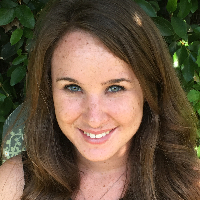
Emily Hunt, LCSW
California · 5 years in practice
Emily Hunt is a Licensed Clinical Social Worker with five years of clinical experience in California.
License and registration
- LCSW, California
- 90329 · expires July 2027
- NPI
- 1316494198 · national provider identifier
- Years in practice
- 5
- Languages
- English
Details are as listed on the therapist's public professional profile. You can check the license with the issuing state board, and the NPI with the national registry.
About Emily
Emily Hunt is a Licensed Clinical Social Worker with five years of clinical experience in California. She centers therapy on relationships and emotions, and she draws on Emotionally-Focused Therapy to help people understand and shift patterns that cause distress. Her style is warm and attentive, aimed at making someone feel heard and respected from the first conversation.
Emily focuses on common but heavy concerns like stress, anxiety, grief, depression, trauma and abuse, and compassion fatigue.
Background and approach
She also helps people dealing with intimacy issues, relationship conflicts, parenting strain, and challenges to self-esteem. Practical problems such as communication breakdowns, jealousy, infidelity, and control issues are also part of her caseload. Her approach blends Attachment-Based ideas with client-centered listening and elements of cognitive behavioral work.
Sessions often involve identifying unhelpful patterns, naming the feelings behind them, and practicing new ways of responding. The Gottman Method also informs her work with relationship dynamics and repair strategies. Emily aims to match techniques to each person’s needs rather than using a single formula.
She listens for what matters most, then suggests small, concrete steps people can try between sessions. That may include short behavioral experiments, communication exercises, or ways to notice and shift emotional reactions. People who choose Emily can expect calm, straightforward guidance and a focus on real-world changes.
She conducts sessions in English and practices from California as a CA LCSW. Her approach is collaborative and geared toward helping people move forward in their daily lives.
Focus areas and approaches
Everything Emily lists on their public professional profile, in their own terms.
- Stress, Anxiety
- Relationship issues
- Family conflicts
- Grief
- Depression
- Trauma and abuse
- Intimacy-related issues
- Parenting issues
- Anger management
- Self esteem
- Coping with life changes
- Compassion fatigue
- Attachment issues
- Body image
- Commitment issues
- Communication problems
- Control issues
- Emptiness
- Family of origin issues
- Family problems
- Guilt and shame
- Impulsivity
- Infidelity
- Isolation / loneliness
- Jealousy
- Life purpose
- Mood disorders
- Panic disorder and panic attacks
- Postpartum depression
- Post-traumatic stress
- Pregnancy and childbirth
- Prejudice and discrimination
- Self-harm
- Self-love
- Social anxiety and phobia
- Women's issues
- Workplace issues
- Young adult issues
Approaches Emily names
- Emotionally-Focused Therapy (EFT)
- Attachment-Based Therapy
- Client-Centered Therapy
- Cognitive Behavioral Therapy (CBT)
- Gottman Method
- Motivational Interviewing
- Narrative Therapy
- Psychodynamic Therapy
- Trauma-Focused Therapy
Naming an approach is not evidence of training in it. This directory copies what each therapist lists and does not check training records.
Online support
Emotion and Attachment Work Offered Online
Emily uses Emotionally-Focused Therapy to help people identify and shift painful emotional patterns in close relationships. EFT focuses on naming feelings, understanding the needs beneath them, and practicing new ways of connecting that reduce reactive cycles. Attachment-Based Therapy is another thread in her work and looks at how early bonds shape current relationship expectations and responses; this approach helps people notice patterns of closeness and distance and try different ways of relating.Finding the right approach is a collaborative process. Emily listens to each person’s goals and suggests techniques that fit their situation. She checks in regularly and adjusts the plan so therapy stays relevant and practical for daily life.
Online therapy offers flexibility and easier access to consistent care. Video calls let people work face-to-face when that feels important. Phone sessions can be simpler when bandwidth is limited or a shorter check-in is needed. Live chat and text-based messaging are useful for brief reflections, homework check-ins, or when someone wants to write through a difficult moment. These options make it easier to fit therapy into a busy life and to try techniques between sessions.
We will earn a commission if you sign up through our link, at no cost to you. It does not change what you pay or the order of the listings.
Questions people ask
What concerns does Emily commonly help with?
She works with stress, anxiety, grief, depression, trauma and abuse, and compassion fatigue, plus relationship and intimacy-related issues and parenting strain.
What is her therapeutic style like?
Her style is relationship-focused and warm. She uses Emotionally-Focused Therapy alongside client-centered listening and practical techniques to address emotions and interaction patterns.
How much clinical experience does she have?
Emily has five years of experience providing mental health support in clinical settings and independent practice environments.
What credentials and region does she practice in?
She is a Licensed Clinical Social Worker, listed as CA LCSW, and practices in California.
Can sessions be scheduled in other languages or internationally?
Sessions are offered in English and she is not accepting international clients at this time.
Which session formats are available?
She meets via video calls, phone sessions, live chat, and text-based messaging to accommodate different needs and schedules.
How is cost handled for sessions?
Session cost varies with location and therapist availability and uses a subscription that can be canceled at any time.
How do I begin working with her?
Start by selecting the Start Therapy button, complete a short matching questionnaire, and schedule sessions according to therapist availability.
More therapists in California
See allNancy Montes
LCSW
Compassionate, culturally aware LCSW for life transitions
- Stress, Anxiety
- Self esteem
- Depression

Alejandro Holguin
LCSW
Practical, collaborative therapy for emotional healing
- Stress, Anxiety
- Relationship
- Anger

Dr. Cheryl Mims
LCSW
Compassionate clinician helping rebuild emotional balance
- Stress, Anxiety
- Grief
- Bipolar

Chauncey Chatman
LMFT
Practical, emotion-focused therapy for adults
- Stress, Anxiety
- Addictions
- Trauma and abuse

Is this your profile?
Ask us to correct details or take the page down.
Contact us