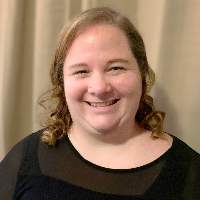
Dr. James Hunter Jr
LCMHC
Calm, practical guidance for life's hard moments
- Stress, Anxiety
- Depression
- Relationship
North Carolina 19 years in practice
Clinical social work directory
97 therapists in this directory list Licensed Clinical Mental Health Counselor (LCMHC). Registration details are shown as each therapist lists them; the body's own public register is the place to check a number.
Licensed Clinical Mental Health Counselor (LCMHC) is a professional license for clinicians who complete graduate training and supervised clinical hours to provide mental health services. Below you can browse verified LCMHC therapists listed on this site to learn about their specialties, approaches, languages and experience.
LCMHC
Calm, practical guidance for life's hard moments
LCMHC
Compassionate therapist for life's hard moments
LCMHC
Practical, emotion-focused support for real life
LCMHC
Compassionate, practical counseling for life challenges
LCMHC
Compassionate counseling grounded in real life
LCMHC
Compassionate counselor focused on emotional connection
LCMHC
Compassionate, practical therapy for emotional change
LCMHC
Compassionate clinical counselor with practical tools
LMHC, LCMHC
Practical, collaborative teletherapy for life changes
LCMHC, LPC
Compassionate emotional focus with practical tools
LCMHC
Compassionate counselor focused on emotional change
LCMHC, LPC
Compassionate, practical therapy for life challenges
LCMHC, LMHC
Gentle, practical therapy for emotional pain
LCMHC
Change-focused therapist using emotion work
LCMHC
Emotion-focused counselor with practical tools
LPC, LCMHC
Warm, experienced counselor focused on emotion and coping
LMHC, LCMHC
Compassionate, practical support for life challenges
LCPC, LCMHC
Compassionate therapist with practical tools
LCMHC
Hopeful, practical counseling for everyday struggles
LPC, LCMHC
Calm support for emotional and life transitions
LCMHC
Compassionate Emotion-Focused therapy for everyday struggles
LPC, LCMHC
Experienced therapist focusing on connection and coping
LPC, LCMHC
Hopeful guidance for emotional healing
LCMHC
Calm, practical support for emotional challenges
LCMHC
Experienced counselor focused on emotional healing
LCMHC
Compassionate, practical care for daily struggles
LCMHC
Hopeful guidance for emotional healing
LMHC, LCMHC
Relationship-focused counselor using EFT
LCMHC
Practical support for stress and emotional healing
LCMHC, LCPC
Compassionate, practical therapy for life transitions
LCMHC
Compassionate counselor focused on relationships and coping
LCMHC, LPC
Experienced counselor focused on healing relationships
LCMHC
Compassionate, practical counseling for life's challenges
LCMHC
Compassionate support with clear practical tools
LPC, LCMHC
Emotion-focused therapist with practical strategies
LPC, LCMHC
Compassionate therapy with practical tools
LPC, LCMHC
Compassionate therapist focused on emotional connection
LPC, LCMHC
Compassionate therapist blending emotion and skills work
LCMHC
Compassionate therapy grounded in emotion-focused work
LCMHC
Therapist focused on emotion and resilience
LPC, LCMHC
Emotion-focused, practical, person-centered care
Some links on this page are partner links. We will earn a commission if you sign up through one, at no cost to you. It does not change what you pay or the order of the listings.
The LCMHC credential indicates that a clinician has completed the academic foundation required to practice as a professional counselor. Typically this means earning a mastery-level degree in counseling, clinical mental health counseling or a related field from an accredited program. Coursework usually covers counseling theory, human development, assessment, ethics and research methods so that you work with a clinician who has formal training in core counseling principles. You should expect to see degree information on a therapist profile so you can confirm the level of graduate education they list.
After finishing graduate coursework, the path to an LCMHC generally includes a period of supervised clinical experience. During that phase a clinician accumulates hours working directly with clients under the oversight of an approved supervisor, which helps translate classroom learning into applied skills. Once the required hours are complete, candidates typically pass a licensing exam and meet any state-specific requirements before being issued the LCMHC designation. When you review a profile, the presence of a license number and the issuing state are practical indicators that formal licensure steps were followed.
An LCMHC is trained to provide assessment and psychotherapy within the scope defined by state boards. That means they can conduct clinical interviews, develop treatment plans, provide talk therapy and use a range of evidence-informed approaches to address emotional and behavioral concerns. The emphasis in counseling programs tends to be on counseling methods, client-centered interventions and helping people manage life transitions, relationship challenges and symptom relief. If you are looking for a clinician who primarily focuses on psychotherapy and clinical counseling, an LCMHC is a common choice.
Understanding the differences among license types can help you match a clinician to your needs. Psychologists usually hold doctoral degrees and often emphasize psychological testing and research alongside therapy. Licensed clinical social workers commonly focus on connecting clients with community resources and may have stronger training in systems and social welfare contexts. Marriage and family therapists often concentrate on relational dynamics and work with couples or families. LCMHCs center on clinical counseling and psychotherapy across individual, group and family formats. Each license brings its own training background and professional focus, so consider the kind of services and perspective you want when reviewing clinician profiles.
LCMHC therapists often work with a broad range of concerns including anxiety, depression, trauma-related symptoms, grief, life transitions, stress management and relationship issues. You will also find clinicians who specialize in working with teenagers, adults, older adults or specific identity groups. Many LCMHCs list experience with couples counseling, parenting challenges, workplace stress and coping with chronic conditions. Profiles typically note the populations a clinician focuses on, which helps you determine whether their background aligns with your situation.
On directory profiles you may see many different therapeutic approaches described. It is important to remember that the presence of an approach on a profile indicates that the clinician lists it among their methods rather than confirming a formal credential in that modality. You might encounter clinicians who list cognitive behavioral approaches, mindfulness-based techniques, somatic-oriented work, narrative approaches or integration of multiple orientations. You may also find therapists who list EMDR among their approaches. When an approach is important to you, you can read profile descriptions to understand how a clinician frames their use of that approach and ask about their experience during an introductory conversation.
The most reliable way to verify an LCMHC credential is through the licensing authority in the state that issued the license. Most state boards maintain an online license lookup where you can enter a clinician's name or license number to confirm active licensure, expiration date and any public disciplinary actions. If a profile lists a license number and issuing state, you can use that information as a starting point for verification. If a profile lacks license details, you can contact the clinician directly to request the license number or consult the state board for guidance.
Beyond checking the licensing board, you can look for information about a clinician's graduate program and supervised experience as described on their profile. Some clinicians will note continuing education topics or professional memberships; these can help you understand ongoing learning but do not replace formal verification. When you want further assurance, it is reasonable to ask a clinician about the scope of their practice, the dates of licensure, and any state-specific practice limitations. Verifying the license through an official state source is the definitive step.
Choosing an LCMHC can offer several practical advantages. The LCMHC designation reflects a defined path of graduate-level coursework, supervised clinical hours and a licensing process overseen by a state board. That regulatory framework means there are clear standards for practice and an authority you can consult about licensure matters. Many people value working with clinicians whose training emphasizes counseling approaches, therapeutic relationships and practical strategies for coping with daily life and emotional challenges. If you prefer a clinician oriented toward talk therapy and clinical counseling, an LCMHC may align well with your expectations.
Begin by clarifying what you want from therapy - the issues you want to address, the population you relate to best and the general approach you prefer. Use profile filters to narrow by specialization, languages spoken and therapeutic orientation so your initial list reflects those priorities. Read clinician bios to get a sense of their professional focus and how they describe their work. Consider asking about a clinician's experience with concerns similar to yours and how they typically structure sessions. Think about practical factors too, such as session format, cost and whether they accept your method of payment. Trust your responses when you read a profile or have an introductory conversation; rapport matters and you should feel comfortable asking questions and getting a clear sense of how a clinician works. Over time you may refine your preferences, and starting with transparent questions and verification steps will help you find a clinician whose background and approach fit your needs.
Choosing a therapist is a personal decision. By focusing on educational background, licensure verification and the clinical descriptions therapists provide, you can make an informed choice about which LCMHC may be the best match for the support you are seeking.