Virginia 10 years in practice
Clinical social work directory
Therapists in Virginia
53 therapists in this directory hold a licence issued in Virginia and name systemic therapy among their approaches. Sessions are online; a US therapist can usually only see people in a state where they hold a licence, so check the credentials panel on each profile.
Welcome to our directory of online therapists serving Virginia. All listed therapists are licensed. Explore profiles to compare approaches, languages, credentials and experience.
Dr. Misty Brady-Lee
LPC
Practical, compassionate counseling for real life
- Stress, Anxiety
- Relationship
- Self esteem
Texas 8 years in practice

Kyle Yoder
LPC
Therapist focused on relationships and healing
- Relationship
- Intimacy-related issues
- Self esteem
West Virginia 5 years in practice

Monique Gardner
LCSW
Therapist who helps with strong feelings
- Stress, Anxiety
- Trauma and abuse
- Self esteem
Virginia 5 years in practice

Brenda Atkinson
LCSW, CSW
Experienced LCSW focused on life transitions
- Stress, Anxiety
- Relationship
- Family
Georgia 31 years in practice

Dr. Jessica Winn
LMFT
Warm, practical therapy for stress and relationships
- Stress, Anxiety
- Relationship
- Family
Virginia 19 years in practice

Patricia Helton
LCSW
Emotionally aware and practical therapy
- Stress, Anxiety
- Addictions
- Trauma and abuse
Virginia 26 years in practice

Stacey Wade
LCSW
Compassionate, emotion-focused therapy for daily struggles
- Stress, Anxiety
- Grief
- Self esteem
Virginia 7 years in practice

Mary Messerschmidt
LCSW
Supportive LCSW guiding practical change
- Addictions
- Relationship
- Intimacy-related issues
Virginia 25 years in practice

Virginia 9 years in practice
Eyanna Horton
LPC
Compassionate therapist focused on emotional connection
- Stress, Anxiety
- Trauma and abuse
- Self esteem
Virginia 3 years in practice

Dr. Leslie Davis
LCSW
Compassionate, practical support for emotional challenges
- Stress, Anxiety
- Relationship
- Family
Virginia 10 years in practice

Ashley Butt
LCSW
Emotion-focused therapist helping people move forward
- Stress, Anxiety
- Relationship
- Self esteem
Virginia 24 years in practice

Dr. Alexandria Arthur
LPCC, LPC
Compassionate, practical therapy for life changes
- Stress, Anxiety
- Trauma and abuse
- Self esteem
Virginia 10 years in practice

Sharon Black
LICSW, LCSW
Practical, emotion-focused therapy for everyday life
- Stress, Anxiety
- Addictions
- Family
Virginia 6 years in practice
Hannah Phillips Hale
LPC
Insightful therapy that focuses on emotions and relationships
- Stress, Anxiety
- Relationship
- Trauma and abuse
Virginia 7 years in practice

Esther Dubique
LCSW
Emotion-focused care for strong emotions and life changes
- Relationship
- Trauma and abuse
- Grief
Virginia 7 years in practice

Tamara Coleman
LCSW
Supportive Virginia LCSW for emotional struggles
- Stress, Anxiety
- Relationship
- Family
Virginia 3 years in practice

Johne Mitchell
LPC
Practical, collaborative counseling for clearer days
- Stress, Anxiety
- Addictions
- Relationship
Virginia 11 years in practice
David Sprouse
LCPC, LPC
Compassionate practical therapy for everyday struggles
- Stress, Anxiety
- Addictions
- Relationship
Hawaii 5 years in practice

Virginia 6 years in practice

Juwairiah Abdus-Saboor
LCSW
Compassionate emotion-focused clinical social worker
- Stress, Anxiety
- Family
- Grief
Virginia 8 years in practice
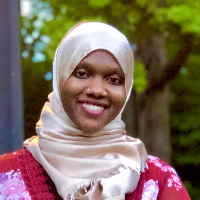
LeNora Black
LPC
Grounded therapist for stress and trauma
- Stress, Anxiety
- Relationship
- Trauma and abuse
Virginia 22 years in practice
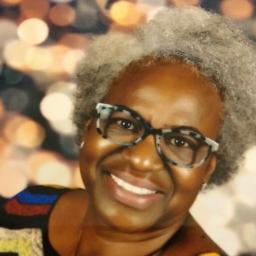
Josephine Olson
LPC
Compassionate counselor who emphasizes emotion and attachment
- Stress, Anxiety
- Relationship
- Trauma and abuse
Virginia 15 years in practice

Anthony Clark
LCSW
Practical, experienced therapy for life’s tough moments
- Stress, Anxiety
- Relationship
- Family
Virginia 27 years in practice

Angela Marshall
LPC
Practical, person-centered counseling in Virginia
- Stress, Anxiety
- Grief
- Self esteem
Virginia 19 years in practice
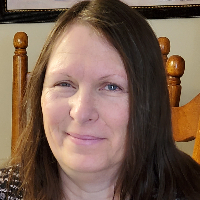
Henry "Hank" Matthews
LPC
Direct, compassionate counseling focused on connection
- Addictions
- Relationship
- Grief
Virginia 20 years in practice

Ina Thompson
LPC
Experienced LPC who combines emotion and behavior work
- Stress, Anxiety
- Trauma and abuse
- Anger
Virginia 23 years in practice

Virginia 25 years in practice

Virginia 30 years in practice

Michael Jenkins
LMFT
Therapist focused on emotions and healing
- Stress, Anxiety
- Relationship
- Trauma and abuse
Virginia 25 years in practice

Kelley Kramer
LPC
Compassionate counselor for stress and trauma
- Stress, Anxiety
- Trauma and abuse
- Grief
Virginia 5 years in practice
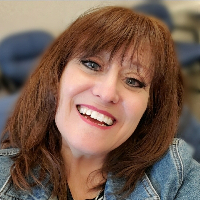
Virginia 19 years in practice
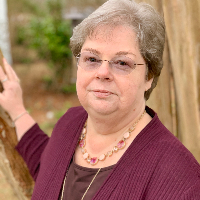
Dr. Naharia Heard
LPC
Compassionate, practical help for stress and relationships
- Stress, Anxiety
- Relationship
- Family
Virginia 10 years in practice
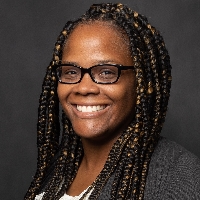
Virginia 11 years in practice

Angelique Lawrence
LMFT
Compassionate marriage and family therapist
- Stress, Anxiety
- Relationship
- Family
New York 20 years in practice

Donna Naffah
LPC
Emotion-focused counselor helping steady change
- Stress, Anxiety
- Relationship
- Parenting
Virginia 17 years in practice

Dr. Sally Goh
LPC
Compassionate counselor helping people move forward
- Stress, Anxiety
- Trauma and abuse
- Depression
South Carolina 10 years in practice

Tara Lineberry
LICSW, LCSW
Compassionate clinician focused on emotions and relationships
- Stress, Anxiety
- Relationship
- Family
Virginia 10 years in practice
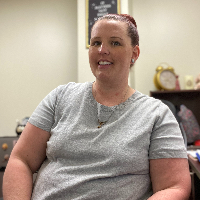
Lemuel Williams
LPC
Relationship and trauma-focused counselor
- Stress, Anxiety
- Relationship
- Trauma and abuse
Virginia 13 years in practice

Amelia (Markert) Shaw
LCSW
Emotion-focused care with practical steps
- Stress, Anxiety
- Relationship
- Trauma and abuse
Virginia 12 years in practice

Tamara Christman
LPC
Warm, experienced counselor for life transitions
- Stress, Anxiety
- Relationship
- Eating
Virginia 22 years in practice

Carol Siggers Snow
LCSW
Compassionate, practical therapy for strong emotions
- Stress, Anxiety
- Relationship
- Family
Virginia 4 years in practice

Virginia 29 years in practice

Antoinette Goss
LMHC, LPC
Empathetic, practical support for life changes
- Stress, Anxiety
- Addictions
- Trauma and abuse
New York 10 years in practice

Virginia 10 years in practice

Virginia 9 years in practice

Reginald Haynes
LCSW
Experienced therapist focused on emotion and change
- Stress, Anxiety
- Relationship
- Intimacy-related issues
Virginia 22 years in practice

Some links on this page are partner links. We will earn a commission if you sign up through one, at no cost to you. It does not change what you pay or the order of the listings.
Overview of online therapy availability in Virginia
Online therapy has become a widely used option for people in Virginia who want counseling without commuting to an office. Many therapists who are licensed in Virginia offer video or phone sessions that you can attend from home, from work during a break, or from another quiet location. The adoption of online formats has increased the number of clinicians who describe remote counseling among their approaches, and you can find professionals who list approaches such as EFT, EMDR, CBT, family systems work and other modalities in their profiles.
Because licensing rules govern how therapists practice, clinicians who serve Virginia residents are generally licensed by a Virginia regulatory board or otherwise authorized to practice in the state. Online therapy can look different depending on the clinician - some focus on short-term goal-oriented work while others emphasize longer-term, relational or trauma-focused approaches. When you search, you will see profiles that outline areas of focus, therapeutic orientations, languages spoken and professional credentials so you can find someone whose background and style match your needs.
Benefits of online therapy for Virginia residents
Online therapy removes many logistical barriers that can make in-person care difficult. If you live in a rural part of Virginia, have mobility or transportation challenges, or need to fit sessions into a busy schedule, remote sessions can reduce travel time and make it easier to attend regularly. You can also choose clinicians who speak your language or specialize in specific issues even if they are based in another city within the state, which widens your options for a good therapeutic fit.
For many people, online therapy also supports continuity of care. If you move within Virginia or travel for work, continuing sessions remotely can keep progress on track. The online format can feel more convenient if you are caring for children or have limited childcare options, because you can participate from a comfortable environment at home. Some people find that the digital setting helps them open up sooner, while others prefer the in-person experience; either way, having online options gives you flexibility to choose what works best for your life.
What types of issues online therapists in Virginia commonly help with
Therapists who offer online sessions in Virginia typically address a broad range of concerns, from everyday stress and relationship issues to more complex emotional or developmental challenges. You will find clinicians who list specialties such as anxiety, depression, grief, trauma-related symptoms, life transitions, perinatal and postpartum concerns, and challenges related to work or school. There are also therapists who focus on couples and family dynamics, parenting support, identity exploration and issues that affect LGBTQ+ communities.
Some clinicians describe particular approaches they use, and you may see profiles that mention EFT among their approaches, therapists who list EMDR among their approaches, or those who note cognitive-behavioral strategies and mindfulness-informed work. These descriptors are meant to give a sense of the clinician's style and typical tools, but they do not replace a conversation with the therapist about how they would work with your specific situation. When reading profiles, pay attention to the therapist's focus areas and the populations they serve, such as adolescents, adults, older adults or couples, so you can match your needs with the clinician's experience.
How to verify a therapist's license in Virginia
Verifying a therapist's license is an important step when you are choosing a clinician in Virginia. Start by noting the clinician's full name and any license number shown on their profile. Use the Commonwealth of Virginia's professional licensure lookup tool or the appropriate state board for counseling to search by name or license number. The board's public records typically show whether a license is active, when it expires and whether there are any disciplinary actions or restrictions on practice.
Steps to check license status
Begin by locating the licensing board's online search or verification page and enter the therapist's name. Review the returned record for license type, status, issue and expiration dates, and any public notices. If a record is unclear or you do not find a match, you can contact the licensing board directly by phone or email to request clarification. If a profile lists professional degrees or credentials, you can also ask the clinician to provide their license number and licensing board so you can confirm details yourself.
Remember that public records will list formal disciplinary actions but may not capture informal complaints that were resolved without public sanctions. If you have concerns about a clinician's history or practice, the licensing board can explain how to file a complaint and what documentation may be helpful. Taking these steps gives you clearer information about a therapist's regulatory standing in Virginia and supports a more informed decision.
How to get started with an online therapist
Getting started typically begins with reviewing profiles to identify therapists whose approaches, focus areas and languages align with your needs. Look for descriptions that resonate with your goals and note clinicians who list relevant specialties, such as trauma work, relationship counseling, or support for anxiety and mood concerns. After you have a short list, reach out to request an initial conversation - many clinicians offer a brief intake or consultation to discuss what you are seeking and how they work.
Preparing for your first session
Before your first session, think about what you most want to address in therapy and any practical constraints such as scheduling preferences and technology access. Make sure you have a personal and comfortable place to talk where you will not be interrupted. Many therapists will provide intake forms that ask about your history, current concerns and any medications you take; completing these ahead of time can make your first session more focused. During the initial sessions you will talk about goals, the therapist's approach, session frequency and any paperwork related to consent and fees.
Tips for choosing the right therapist
Choosing the right therapist is a personal process that involves more than matching on credentials. Think about style and rapport - do you prefer a direct, skills-based approach or a more exploratory and relational process? Read profiles to learn about the clinician's stated approach and populations they work with. If a profile mentions a modality you are curious about, such as EFT or mindfulness-informed work, consider asking the therapist how they integrate that approach into sessions and what a typical plan might look like for your concerns.
Language and cultural fit can matter a great deal. If you want to work with someone who shares or understands aspects of your background, look for clinicians who list relevant cultural competencies or languages spoken. You can also ask about experience working with people in circumstances similar to yours, such as managing career stress, parenting challenges, chronic illness or identity-related concerns. Trust your instincts during an initial conversation; feeling heard and respected is a strong indicator that you may have a productive working relationship.
Finally, consider logistical factors that matter to you, such as session length, the platforms used for remote sessions, and payment arrangements. Profiles often include information about credentials and general approaches, but a short introductory call can help you clarify style, goals and what a typical session will involve. When you find a therapist you feel comfortable with, consistent attendance and open communication about goals and progress will help you make the most of the therapeutic process.
Choosing online therapy in Virginia gives you access to a wide range of clinicians and approaches. By checking licensure, reading profiles carefully and preparing thoughtful questions for an initial conversation, you can find a clinician whose experience and style fit your needs. Use the directory to explore profiles, learn about different approaches and take the first step toward finding the support you want.