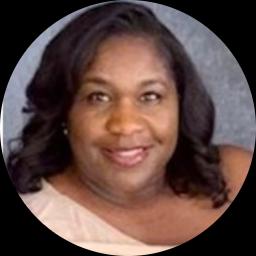
Ersha Mitchell, LCSW
Texas · 5 years in practice
Ersha Mitchell is a licensed clinical social worker who focuses on Emotionally-Focused Therapy to help people manage anxiety, depression, grief, and trauma.
License and registration
- LCSW, Texas
- 107644 · expires February 2028
- NPI
- 1801534953 · national provider identifier
- Years in practice
- 5
- Languages
- English
Details are as listed on the therapist's public professional profile. You can check the license with the issuing state board, and the NPI with the national registry.
About Ersha
Ersha Mitchell is a licensed clinical social worker who focuses on Emotionally-Focused Therapy to help people manage anxiety, depression, grief, and trauma. She centers sessions on real problems and clear steps people can use between meetings. Conversations are calm and direct so parents and individuals can find steady ground quickly.
She draws on a mix of approaches including Acceptance and Commitment Therapy, cognitive behavioral techniques, and attachment-based ideas. That lets her tailor sessions to what someone actually needs - coping skills, processing painful memories, or improving close relationships.
Background and approach
Sessions aim to strengthen emotion awareness and practical problem solving rather than labels or long lectures. Clients often bring concerns about stress, LGBT-related issues, loss, and chronic illness or pain. Ersha also works with people facing abandonment, adoption and foster-care questions, body image, caregiver strain, and money-related stress.
She focuses on what a person can change now and how to tolerate what they cannot yet change. Ersha has five years of clinical experience as an LCSW in Texas. She uses straightforward language and a collaborative stance during sessions.
Expect a mix of skill practice, reflective conversation, and planning for daily life between appointments. Sessions are offered in English and are available by video call, phone, live chat, or text-based messaging. To begin, clients complete a short matching questionnaire and then schedule based on therapist availability.
Focus areas and approaches
Everything Ersha lists on their public professional profile, in their own terms.
- Stress, Anxiety
- LGBT
- Trauma and abuse
- Grief
- Depression
- Abandonment
- Adoption and foster care
- Attachment issues
- Blended family issues
- Body image
- Caregiver issues and stress
- Chronic pain, illness, and disability
- Communication problems
- Fatherhood issues
- Forgiveness
- Guilt and shame
- Hospice and end-of-life counseling
- Isolation / loneliness
- Life purpose
- Money and financial issues
- Pregnancy and childbirth
- Self-love
- Sexuality
- Somatization
- Women's issues
- Workplace issues
Approaches Ersha names
- Emotionally-Focused Therapy (EFT)
- Acceptance and Commitment Therapy (ACT)
- Attachment-Based Therapy
- Client-Centered Therapy
- Cognitive Behavioral Therapy (CBT)
- Dialectical Behavior Therapy (DBT)
- Mindfulness Therapy
- Motivational Interviewing
- Narrative Therapy
- Solution-Focused Therapy
- Somatic Therapy
Naming an approach is not evidence of training in it. This directory copies what each therapist lists and does not check training records.
Online support
How emotional work and practical tools translate to online sessions
Ersha often uses Emotionally-Focused Therapy to help people notice and name their feelings, then work on how those feelings show up in relationships and daily life. Acceptance and Commitment Therapy is another tool she draws on to help clients clarify values, accept difficult thoughts, and take small committed steps toward meaningful goals. Attachment-Based Therapy guides work on how early relationship patterns affect current closeness and trust, and it helps people change repeating patterns that cause pain.Finding the best approach is a joint process. The therapist will talk with the client about goals, try methods that fit the client’s needs, and adjust the plan over time. Clients help set priorities so sessions focus on what matters most to them, whether that is emotion regulation, clearer communication, or coping with loss.
Online formats include video calls, phone sessions, live chat, and text-based messaging to offer flexibility. Video is useful for deeper conversations and nonverbal cues. Phone sessions can work when bandwidth is limited or for a shorter check-in. Live chat and messaging let clients use therapy between appointments and fit support around busy schedules. These options make it easier to continue consistent work even with a full life.
We will earn a commission if you sign up through our link, at no cost to you. It does not change what you pay or the order of the listings.
Questions people ask
What concerns does Ersha help with?
She works with stress, anxiety, depression, grief, trauma, and LGBT-related issues, plus areas like abandonment, attachment questions, body image, and caregiver stress.
What is her therapy style like?
Her style is collaborative and down-to-earth, blending Emotionally-Focused Therapy with ACT and CBT ideas to build emotion awareness and practical coping skills.
How much experience does she have?
She has five years of clinical experience working as a licensed clinical social worker.
Where is she licensed and located?
She is a Texas LCSW and practices from Texas.
Which languages are offered?
Sessions are offered in English.
Can international clients work with her?
She is not currently accepting international clients.
What session formats are available?
She offers video calls, phone sessions, live chat, and text-based messaging to fit different schedules and needs.
How does cost and scheduling work?
Cost varies by location and therapist availability and sessions use a subscription that can be canceled at any time. To start, select the Start Therapy button, complete a short matching questionnaire, and schedule per therapist availability.
More therapists in Texas
See allDr. Ngozi Okose
LPC
Compassionate, practical therapy focused on emotion and change
- Stress, Anxiety
- Relationship
- Trauma and abuse

Phillip Redden
LMFT
Trusted therapist for relationships and trauma
- Relationship
- Family
- Trauma and abuse
Julie Elliott
MD, LCSW-C, LCSW
Compassionate clinician with long-term practical experience
- Stress, Anxiety
- Relationship
- Family
Tiffany Dunnells
LPC
Warm, practical therapy for life’s hard moments
- Stress, Anxiety
- Trauma and abuse
- Anger

Is this your profile?
Ask us to correct details or take the page down.
Contact us