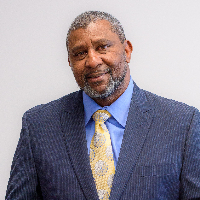
Lewis Smith, LPC
District of Columbia · 25 years in practice
Lewis Smith is a licensed professional counselor with 25 years of clinical experience.
License and registration
- LPC, District of Columbia
- PRC384 · expires August 2027
- NPI
- 1427682947 · national provider identifier
- Years in practice
- 25
- Languages
- English
Details are as listed on the therapist's public professional profile. You can check the license with the issuing state board, and the NPI with the national registry.
About Lewis
Lewis Smith is a licensed professional counselor with 25 years of clinical experience. He focuses on helping people move through stress, anxiety, addiction, grief, and the ups and downs of daily life. He aims to make therapy straightforward and practical for a worried parent reading on a phone.
Lewis likes to work in a calm, respectful way. He listens closely and helps people name their emotions. That makes it easier to change unhelpful patterns and find clearer next steps.
Background and approach
Sessions are conversational and goal-oriented rather than full of jargon. He draws on several approaches, including Emotionally-Focused Therapy, client-centered methods, and cognitive behavioral techniques. That mix lets him match tools to what a person needs right now, whether the goal is managing panic, coping with a loss, or reducing compulsive behaviors.
He explains methods in plain language during sessions. Lewis also helps people handle family stress, communication problems, and parenting strain. He pays attention to issues like codependency, abandonment, and caregiver stress while keeping the work focused on one person’s goals.
He makes space for practical problem solving alongside emotional healing. Lewis works with adults across a range of life challenges including career strain, relationship trouble, ADHD, and chronic health concerns. He practices in the District of Columbia and conducts sessions in English.
His approach centers on steady support, clear feedback, and helping people take manageable steps forward.
Focus areas and approaches
Everything Lewis lists on their public professional profile, in their own terms.
- Stress, Anxiety
- Addictions
- Family conflicts
- Trauma and abuse
- Self esteem
- Relationship issues
- Grief
- Intimacy-related issues
- Parenting issues
- Anger management
- Career difficulties
- Bipolar disorder
- Depression
- Coping with life changes
- Coaching
- Compassion fatigue
- ADHD
- Abandonment
- Adoption and foster care
- Aging and geriatric issues
- Avoidant personality
- Blended family issues
- Caregiver issues and stress
- Chronic pain, illness, and disability
- Codependency
- Communication problems
- Control issues
- Family problems
- Fatherhood issues
- Forgiveness
- Guilt and shame
- Impulsivity
- Men's issues
- Mood disorders
- Multicultural concerns
- Panic disorder and panic attacks
- Post-traumatic stress
- Prejudice and discrimination
- Self-love
- Social anxiety and phobia
- Workplace issues
Approaches Lewis names
- Emotionally-Focused Therapy (EFT)
- Client-Centered Therapy
- Cognitive Behavioral Therapy (CBT)
- Motivational Interviewing
- Solution-Focused Therapy
- Internal Family Systems
- Systemic Therapy
Naming an approach is not evidence of training in it. This directory copies what each therapist lists and does not check training records.
Online support
How emotion-focused work and online sessions fit together
Emotionally-Focused Therapy helps people recognize and name the feelings that drive difficult patterns. It tends to be useful when strong emotions - like anger, shame, or fear - get in the way of relationships or daily functioning. Client-Centered Therapy emphasizes the person’s own perspective, with the therapist offering steady, nonjudgmental listening that helps build trust and clarity. Cognitive Behavioral Therapy focuses on identifying unhelpful thought patterns and testing small behavioral changes to reduce symptoms like anxiety and low mood.Choosing the right approach is a shared process. Lewis will talk with each person about their goals and preferences, and then recommend ways of working that match those aims. He often blends approaches so sessions address both feelings and practical steps, and he revisits the plan together as needs change.
Online therapy makes those approaches accessible through video calls, phone sessions, live chat, or text-based messaging. Video sessions let people work face to face from wherever they are. Phone sessions can be easier when bandwidth is low or someone prefers not to be on camera. Live chat and text-based messaging allow shorter check-ins or ongoing support between longer sessions. This flexibility helps people fit therapy into busy lives and keeps progress moving even when schedules are tight.
We will earn a commission if you sign up through our link, at no cost to you. It does not change what you pay or the order of the listings.
Questions people ask
What kinds of concerns can be addressed in sessions?
Typical issues include stress, anxiety, addiction, trauma and abuse, depression, relationship and intimacy concerns, grief, parenting strain, ADHD, and career problems.
What is Lewis's therapeutic style?
He keeps sessions conversational and practical, listening closely and helping people name emotions and try small, concrete changes between meetings.
What background does this therapist bring?
Lewis has 25 years of clinical experience working with a wide range of life challenges and emotional concerns.
Where is Lewis licensed and based?
He is a DC LPC, practicing in the District of Columbia.
In which languages are sessions offered?
Sessions are offered in English and he also accepts international clients.
What session formats are available?
He offers video calls, phone sessions, live chat, and text-based messaging for ongoing work.
How are sessions priced?
Cost varies with location and therapist availability; sessions use a subscription that can be canceled at any time.
How do I begin working with him?
Use the Start Therapy button, complete a short matching questionnaire, and schedule based on therapist availability.
More therapists in District of Columbia
See allCheryl Marrow
LPC, LMFT
Compassionate guidance for life and relationship changes
- Addictions
- Relationship
- Family
Claudia Richards
LICSW
Compassionate, practical care for everyday struggles
- Stress, Anxiety
- Relationship
- Self esteem

Adina Tabor
LICSW, LCSW
Compassionate, practical therapy for daily struggles
- Stress, Anxiety
- Depression
- Coping with life changes

Georgina Arhin
LPC
Compassionate counselor guiding emotional growth
- Stress, Anxiety
- Relationship
- Self esteem

Is this your profile?
Ask us to correct details or take the page down.
Contact us