
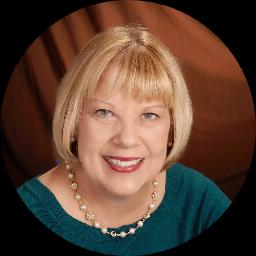
Linda Yearout, LCMFT
Kansas · 30 years in practice
Linda Yearout is a Licensed Clinical Marriage and Family Therapist (LCMFT) practicing in Kansas.
License and registration
- LCMFT, Kansas
- LCMFT 295 · expires January 2028
- NPI
- 1477630457 · national provider identifier
- Years in practice
- 30
- Languages
- English
Details are as listed on the therapist's public professional profile. You can check the license with the issuing state board, and the NPI with the national registry.
About Linda
Linda Yearout is a Licensed Clinical Marriage and Family Therapist (LCMFT) practicing in Kansas. She brings 30 years of clinical experience and a steady, faith-informed perspective to sessions. Linda works with people facing stress, anxiety, depression, low self-esteem, and relationship challenges.
She also provides coaching to help clients build motivation and confidence. Her approach centers on listening first and helping people name what matters to them. Sessions focus on understanding emotions, improving communication, and building practical skills that fit daily life.
Background and approach
Linda draws on Emotionally-Focused Therapy to help people recognize and shift patterns in close relationships. She also uses Acceptance and Commitment Therapy to help people clarify values and take steps toward them, and Cognitive Behavioral Therapy to identify unhelpful thoughts and try new behaviors.
Client-Centered Therapy guides a nonjudgmental stance in the room, giving each person space to lead the pace of work. Over three decades, Linda has worked in community mental health and independent practice. That mix informs a practical style that balances empathy with tools you can try between sessions.
She frames the client as the expert in their life and looks for strengths to build on. Linda welcomes questions about the process and encourages small first steps. Signing up for therapy can feel hard, and she acknowledges the courage it takes to begin.
Focus areas and approaches
Everything Linda lists on their public professional profile, in their own terms.
- Stress, Anxiety
- Relationship issues
- Self esteem
- Depression
- Coaching
- Abandonment
- Blended family issues
- Body image
- Caregiver issues and stress
- Chronic pain, illness, and disability
- Codependency
- Commitment issues
- Communication problems
- Control issues
- Dependent personality
- Divorce and separation
- Eating and food-related issues
- Emptiness
- Family of origin issues
- Family problems
- Fertility issues
- Forgiveness
- Guilt and shame
- Isolation / loneliness
- Jealousy
- Life purpose
- Midlife crisis
- Veteran and Armed Forces Issues
- Money and financial issues
- Mood disorders
- Obsessions, compulsions, and OCD
- Panic disorder and panic attacks
- Phobias
- Postpartum depression
- Pregnancy and childbirth
- Seasonal Affective Disorder (SAD)
- Self-harm
- Self-love
- Social anxiety and phobia
- Somatization
- Women's issues
- Workplace issues
Approaches Linda names
- Emotionally-Focused Therapy (EFT)
- Acceptance and Commitment Therapy (ACT)
- Client-Centered Therapy
- Cognitive Behavioral Therapy (CBT)
- Gottman Method
- Mindfulness Therapy
- Motivational Interviewing
- Narrative Therapy
- Solution-Focused Therapy
- Somatic Therapy
- Trauma-Focused Therapy
Naming an approach is not evidence of training in it. This directory copies what each therapist lists and does not check training records.
Online support
Approaches that guide online care
Emotionally-Focused Therapy (EFT) helps people identify and shift emotional patterns that shape close relationships. It focuses on how feelings and responses create repeated cycles and offers ways to change those cycles so interactions feel safer and more connected.Acceptance and Commitment Therapy (ACT) encourages people to notice tough thoughts and feelings without getting stuck and to choose actions that align with their values. This can help with anxiety, low motivation, and decisions about relationships or life goals.
Client-Centered Therapy keeps the person’s experience at the center. The therapist listens without judgment and follows the client’s pace, which helps people feel heard while they consider change.
Finding the right approach is part of the work. Linda will collaborate with each person to pick strategies that match their needs, goals, and preferences. She checks in regularly and adjusts the plan rather than prescribing a fixed path.
Online sessions are offered by video calls, phone, live chat, or text-based messaging to fit different needs. Video lets people use visual cues for relationship work, phone can be useful when bandwidth is limited, chat or text supports brief check-ins and ongoing coaching, and different formats make it easier to schedule around work or family obligations. These options aim to make consistent therapy more practical for everyday life.
We will earn a commission if you sign up through our link, at no cost to you. It does not change what you pay or the order of the listings.
Questions people ask
What concerns does Linda help with?
She helps people with stress, anxiety, depression, low self-esteem, relationship struggles, and coaching for motivation and confidence. Additional focuses include family of origin issues, abandonment, blended family concerns, body image, caregiving stress, chronic pain and illness, codependency, commitment and communication problems, and eating-related issues.
How would you describe her therapy style?
Her style is listening-focused and practical. She uses Emotionally-Focused Therapy to address relationship patterns, ACT to clarify values and take action, CBT to change unhelpful thoughts, and a client-centered stance to follow each person’s lead.
What kind of professional background does she have?
She has 30 years of professional experience working in community mental health and independent practice. That background shapes a balance of real-world skills and relational support.
What are her credentials and where is she based?
Linda holds the credential LCMFT, which stands for Licensed Clinical Marriage and Family Therapist. She practices in Kansas.
Which languages are supported for sessions?
Sessions are offered in English.
Can people outside the U.S. work with her?
She is not accepting international clients at this time.
What session formats are available?
Sessions are offered by video calls, phone sessions, live chat, or text-based messaging. The mix of formats gives options for longer conversations or shorter check-ins.
How does payment and getting started work?
Cost varies with location and therapist availability; sessions use a subscription that can be canceled at any time. To begin, select the Start Therapy button, complete the short matching questionnaire, and schedule according to therapist availability.
More therapists in Kansas
See allTinna Palmer
LSCSW
Practical support for stress and life changes
- Stress, Anxiety
- Addictions
- Trauma and abuse

Kris Rice
LSCSW
Compassionate, emotion-focused social worker
- Stress, Anxiety
- Relationship
- Trauma and abuse

Steve Hammer
LSCSW
Calm, practical psychotherapy with decades of experience
- Stress, Anxiety
- Family
- Trauma and abuse

Is this your profile?
Ask us to correct details or take the page down.
Contact us