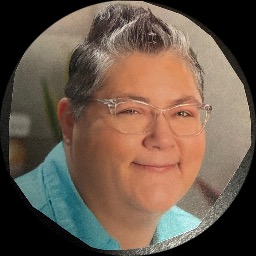
Rebecca Wiklanski, LMSW
Michigan · 7 years in practice
Rebecca Wiklanski is a licensed master of social work who focuses on helping people build self-esteem and navigate difficult life moments.
License and registration
- LMSW, Michigan
- 6801113961 · expires January 2028
- NPI
- 1376026401 · national provider identifier
- Years in practice
- 7
- Languages
- English
Details are as listed on the therapist's public professional profile. You can check the license with the issuing state board, and the NPI with the national registry.
About Rebecca
Rebecca Wiklanski is a licensed master of social work who focuses on helping people build self-esteem and navigate difficult life moments. She brings a compassionate, adaptable style to sessions and aims to make people feel heard and respected. Her approach centers on the person in front of her.
She uses Emotionally-Focused Therapy alongside tools from Acceptance and Commitment Therapy and Cognitive Behavioral Therapy to help people understand feelings and take steps that match their values.
Background and approach
Rebecca also brings experience with Eye Movement Desensitization and Reprocessing when trauma work is needed. Rebecca aims to create a welcoming space for people of many identities, including those who identify as Christian or LGBTQ+. She emphasizes listening first, then working together to set practical goals.
Sessions focus on learning skills, trying new ways of relating, and managing stress in day-to-day life. Common concerns she addresses include anxiety, stress, relationship and parenting strains, trauma and abuse, coping with life changes, compassion fatigue, and self-esteem. She also supports people facing issues like divorce, communication problems, fertility challenges, caregiver stress, and mood or personality-related struggles.
Clients can expect straightforward, respectful work that balances emotional insight with practical steps. Rebecca draws on seven years of experience in social work to tailor support to each person's situation and to help them move toward clearer choices and steadier emotional footing.
Focus areas and approaches
Everything Rebecca lists on their public professional profile, in their own terms.
- Stress, Anxiety
- Family conflicts
- Trauma and abuse
- Coping with life changes
- Compassion fatigue
- Relationship issues
- Parenting issues
- Self esteem
- Adoption and foster care
- Antisocial personality
- Caregiver issues and stress
- Communication problems
- Control issues
- Divorce and separation
- Family problems
- Fertility issues
- Forgiveness
- Guilt and shame
- Jealousy
- Mood disorders
- Narcissism
- Panic disorder and panic attacks
- Personality disorders
- Post-traumatic stress
- Self-love
- Sexuality
- Social anxiety and phobia
- Women's issues
- Young adult issues
Approaches Rebecca names
- Emotionally-Focused Therapy (EFT)
- Acceptance and Commitment Therapy (ACT)
- Client-Centered Therapy
- Cognitive Behavioral Therapy (CBT)
- Eye Movement Desensitization and Reprocessing (EMDR)
Naming an approach is not evidence of training in it. This directory copies what each therapist lists and does not check training records.
Online support
How emotion-focused and skill-based approaches work online
Rebecca often combines Emotionally-Focused Therapy with Acceptance and Commitment Therapy and client-centered principles. Emotionally-Focused Therapy helps people name and track strong emotions and see how those feelings shape relationships and behavior. Acceptance and Commitment Therapy focuses on clarifying values and taking small, value-guided steps even when emotions are difficult. Client-centered work emphasizes listening, empathy, and letting the client set the pace.Finding the right approach is part of the therapy process. Rebecca will talk with each person about their goals, preferences, and what feels most helpful. Together they decide whether to focus more on emotion processing, values and behavior change, or a gentler, listening-based path.
Online sessions can be scheduled as video calls, phone sessions, live chat, or text-based messaging. Video is useful for richer emotional work and reading nonverbal cues. Phone calls can fit into a busy day or be used when bandwidth is limited. Live chat and text messaging work well for brief check-ins, coping tools between sessions, or for people who prefer written communication. These options aim to make therapy more flexible and easier to fit into everyday life.
We will earn a commission if you sign up through our link, at no cost to you. It does not change what you pay or the order of the listings.
Questions people ask
What kinds of concerns does Rebecca help with?
She works with people on anxiety, stress, trauma and abuse, self-esteem, relationship and parenting challenges, and coping with life changes.
What is her general therapy style?
Rebecca uses a compassionate, person-centered style and blends emotion-focused work with practical exercises from CBT and ACT.
How much experience does she have?
She has seven years of clinical experience working as a social worker in mental health settings.
What credentials and location apply to this therapist?
Rebecca holds an LMSW, which stands for licensed master of social work, and practices in Michigan.
Which languages are sessions offered in?
Sessions are offered in English.
Can people outside the United States work with her?
International clients are not currently accepted.
What session formats are available?
She meets by video calls, phone sessions, live chat, and text-based messaging.
How do I begin working with Rebecca?
Select the Start Therapy button, complete a short matching questionnaire, and schedule a time based on the therapist's availability.
More therapists in Michigan
See all
Prof. Ryan Davis
LPC
Practical, emotion-focused counseling for real life
- Stress, Anxiety
- Addictions
- Relationship

Ruth Vanden Bosch
LPC
Compassionate counselor blending emotional and practical work
- Stress, Anxiety
- LGBT
- Relationship

Karin Johnson
LMSW
Compassionate social worker focused on relationships
- Stress, Anxiety
- Relationship
- Family

Is this your profile?
Ask us to correct details or take the page down.
Contact us