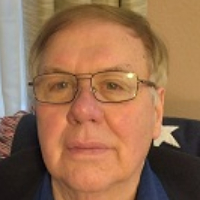
Walter Barron, LCSW
Missouri · 35 years in practice
Walter Barron LCSW has worked in mental health for 35 years.
License and registration
- LCSW, Missouri
- 001850 · expires September 2027
- NPI
- 1518994490 · national provider identifier
- Years in practice
- 35
- Languages
- English
Details are as listed on the therapist's public professional profile. You can check the license with the issuing state board, and the NPI with the national registry.
About Walter
Walter Barron LCSW has worked in mental health for 35 years. He has experience in inpatient and outpatient settings, spent 11 years in military employment, and provided services for the Veterans Administration as well as personal contracting. He offers direct, steady support for people facing stress, anxiety, depression, trauma and abuse, grief, addictions, and major mental illness concerns.
He uses a client-centered stance that treats each person as an expert on their own life.
Background and approach
That means listening first, then shaping a plan around what the person wants to change. He also draws on cognitive behavioral ideas from Aaron Beck and Albert Ellis to help people notice unhelpful thinking and try new behaviors. Emotionally-Focused Therapy is part of his approach when emotional experience and bond patterns matter.
He also uses elements of dialectical behavior therapy and mindfulness work to help with emotion regulation and present-moment skills. Walter emphasizes assessing each person’s needs before suggesting a direction for therapy. Sessions focus on clear, practical steps as well as understanding patterns in relationships and family dynamics.
He respects self-determination and aims to work collaboratively so goals come from the client. Therapy is presented as a process of gradual change rather than a quick fix. Walter practices in Missouri and conducts sessions in English.
He is open to working with international clients through remote formats and supports a range of life and relational concerns including caregiver stress, attachment issues, blended family challenges, and career-related strain.
Focus areas and approaches
Everything Walter lists on their public professional profile, in their own terms.
- Stress, Anxiety
- Relationship issues
- Family conflicts
- Trauma and abuse
- Depression
- Addictions
- Grief
- Intimacy-related issues
- Anger management
- Self esteem
- Career difficulties
- Bipolar disorder
- Coping with life changes
- Compassion fatigue
- ADHD
- Aging and geriatric issues
- Attachment issues
- Avoidant personality
- Blended family issues
- Caregiver issues and stress
- Codependency
- Commitment issues
- Communication problems
- Control issues
- Dependent personality
- Divorce and separation
- Domestic violence
- Emptiness
- Family problems
- Fatherhood issues
- First responder issues
- Forgiveness
- Guilt and shame
- Hospice and end-of-life counseling
- Isolation / loneliness
- Jealousy
- Life purpose
- Men's issues
- Midlife crisis
- Veteran and Armed Forces Issues
- Money and financial issues
- Mood disorders
- Narcissism
- Obsessions, compulsions, and OCD
- Personality disorders
- Postpartum depression
- Post-traumatic stress
- Prejudice and discrimination
- Process addiction (porn, exercise, gambling)
- Self-harm
- Self-love
- Sexual assault and abuse
- Smoking / vaping cessation
- Social anxiety and phobia
- Visually impaired
- Women's issues
- Workplace issues
- Young adult issues
Approaches Walter names
- Emotionally-Focused Therapy (EFT)
- Client-Centered Therapy
- Cognitive Behavioral Therapy (CBT)
- Dialectical Behavior Therapy (DBT)
- Mindfulness Therapy
- Psychodynamic Therapy
- Solution-Focused Therapy
- Trauma-Focused Therapy
- Internal Family Systems
Naming an approach is not evidence of training in it. This directory copies what each therapist lists and does not check training records.
Online support
Approaches that guide online work and emotional change
Walter uses Emotionally-Focused Therapy to help people notice and shift painful interaction patterns and stronger emotional responses. EFT focuses on the emotional experience and is useful when relationship or attachment injuries affect how someone connects and feels.He also works from a client-centered perspective, which means he listens closely and follows the client’s priorities. That approach aims to build a trusting working relationship and to tailor the work to what matters most to the client.
Cognitive Behavioral Therapy is another tool he uses to identify unhelpful thoughts and test new behaviors. CBT techniques can help with anxiety, depression, and stress by teaching concrete skills for thinking and acting differently.
Finding the right approach is part of the work together. Walter starts with an assessment and discusses goals, then collaboratively picks strategies that match the client’s needs and preferences. He adapts methods over time as goals evolve.
Online therapy offers flexible ways to meet. He provides video calls for face-to-face interaction, phone sessions if bandwidth or convenience matters, live chat for quick check-ins, and text-based messaging for ongoing support between sessions. These options make it easier to fit therapy into a busy schedule and to use shorter or different session styles when needed.
We will earn a commission if you sign up through our link, at no cost to you. It does not change what you pay or the order of the listings.
Questions people ask
What concerns does Walter often help people with?
He works with stress, anxiety, depression, trauma and abuse, addictions, grief, relationship and family problems, bipolar concerns, ADHD, and related issues such as caregiver stress and attachment difficulties.
What is his general therapeutic style?
He uses a client-centered, warm, non-directive approach and combines practical techniques from cognitive behavioral work when appropriate.
How much experience does he bring to therapy?
He has 35 years of experience across inpatient and outpatient settings, served in military employment for 11 years, and worked with the Veterans Administration and as a personal contractor.
What are his credentials and where is he based?
He holds the LCSW credential and practices in Missouri.
Can I work with him if English is not my first language?
Sessions are offered in English and he also accepts international clients for remote sessions.
In what formats are sessions offered?
He meets with people through video calls, phone sessions, live chat, and text-based messaging.
How does payment and cost work?
Cost varies with location and therapist arrangements; sessions use a subscription model that can be canceled at any time.
How do I get started with therapy with him?
Click the Start Therapy button, complete a short matching questionnaire, and schedule sessions according to therapist availability.
More therapists in Missouri
See all

Prof. Michael McGaugh
LPC
Compassionate counselor focused on feelings and change
- Stress, Anxiety
- Family
- Trauma and abuse
Tracy Wofford
LPC
Compassionate, practical therapy for life’s hard moments
- Stress, Anxiety
- Trauma and abuse
- Parenting

Is this your profile?
Ask us to correct details or take the page down.
Contact us