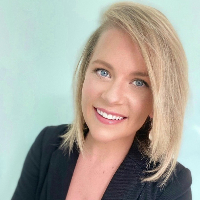
Ashley Williams, LCSW
Florida · 6 years in practice
Ashley Williams is a Licensed Clinical Social Worker (LCSW) based in Florida who helps people facing anxiety, depression, trauma, grief, and major life changes.
License and registration
- LCSW, Florida
- SW16216 · expires March 2027
- NPI
- 1326637356 · national provider identifier
- Years in practice
- 6
- Languages
- English
Details are as listed on the therapist's public professional profile. You can check the license with the issuing state board, and the NPI with the national registry.
About Ashley
Ashley Williams is a Licensed Clinical Social Worker (LCSW) based in Florida who helps people facing anxiety, depression, trauma, grief, and major life changes. She focuses on practical support for stress, substance concerns, anger, self-esteem, and career or parenting strains. Her style is straightforward and respectful, and she centers the person’s priorities in each session.
She draws on Emotionally-Focused Therapy (EFT) alongside cognitive and acceptance-based methods. That means sessions often look at emotions, patterns in relationships, and ways to change unhelpful thoughts and behaviors.
Background and approach
Ashley also uses client-centered and attachment-focused ideas to help people feel understood and heard. Ashley has six years of experience across a range of settings. Her background includes child welfare, foster care and adoption work, substance abuse treatment, cancer and chronic illness care, recovery programs, and time working in the prison system.
Those roles shaped how she supports people affected by trauma and secondary trauma. In sessions she takes a strengths-based, solutions-focused approach. Clients help set goals and decide how deep to go.
Together they build practical steps to manage symptoms, cope with loss, or change daily routines. She offers several ways to connect including video calls, phone sessions, live chat, and text-based messaging. Sessions use a subscription model that can be canceled at any time, and scheduling follows the therapist’s availability.
Focus areas and approaches
Everything Ashley lists on their public professional profile, in their own terms.
- Stress, Anxiety
- Trauma and abuse
- Grief
- Coping with life changes
- Compassion fatigue
- Addictions
- Relationship issues
- Family conflicts
- Parenting issues
- Anger management
- Self esteem
- Career difficulties
- Depression
- Coaching
- ADHD
- Abandonment
- Adoption and foster care
- Attachment issues
- Body image
- Cancer
- Caregiver issues and stress
- Chronic pain, illness, and disability
- Codependency
- Coping with natural or human-caused disaster
- Dissociation
- Domestic violence
- Drug and alcohol addiction
- Emptiness
- Forgiveness
- Guilt and shame
- Isolation / loneliness
- Life purpose
- Veteran and Armed Forces Issues
- Narcissism
- Panic disorder and panic attacks
- Post-traumatic stress
- Pregnancy and childbirth
- Sexual assault and abuse
- Social anxiety and phobia
- Traumatic brain injury
- Women's issues
Approaches Ashley names
- Emotionally-Focused Therapy (EFT)
- Acceptance and Commitment Therapy (ACT)
- Attachment-Based Therapy
- Client-Centered Therapy
- Cognitive Behavioral Therapy (CBT)
- Mindfulness Therapy
- Motivational Interviewing
- Narrative Therapy
- Solution-Focused Therapy
- Trauma-Focused Therapy
- Internal Family Systems
Naming an approach is not evidence of training in it. This directory copies what each therapist lists and does not check training records.
Online support
Approaches that translate to online care
Emotionally-Focused Therapy (EFT) focuses on identifying and working with key feelings that shape how people relate to themselves and others. It can help when intense emotions, attachment patterns, or relationship cycles get in the way of everyday life. Acceptance and Commitment Therapy (ACT) teaches practical ways to notice thoughts and feelings, choose values-based actions, and build tolerance for difficult internal experiences. It is useful for anxiety, depression, and problems that involve avoidance. Attachment-Based Therapy looks at early patterns of connection and how they show up now, helping people shift repeated ways of relating and feel more supported in relationships.Finding the right approach is part of the work. The therapist will collaborate with each person to pick methods that fit their goals, pace, and comfort level. That may mean blending elements from EFT, ACT, CBT, and client-centered care so sessions address both feelings and daily coping skills.
Online therapy offers several practical benefits for this kind of work. Video calls let the therapist and client read expressions and tone, while phone sessions need less bandwidth and can be easier for quick check-ins. Live chat and text-based messaging allow short, ongoing support between sessions and help people keep momentum on goals. These formats make it easier to fit therapy around work, caregiving, or medical appointments while keeping a consistent rhythm of care.
We will earn a commission if you sign up through our link, at no cost to you. It does not change what you pay or the order of the listings.
Questions people ask
What concerns does she address?
Ashley helps people with stress, anxiety, depression, trauma and abuse, grief, relationship and family concerns, parenting strain, substance and behavioral addictions, anger, self-esteem, career issues, ADHD, and related struggles.
What is her therapeutic style like?
Her approach is client-centered and trauma-informed with a strengths-based, solutions-focused orientation. She combines emotional work, cognitive strategies, and acceptance-based tools to meet each person’s needs.
What experience does she bring to sessions?
She has six years of clinical experience working in child welfare, foster care and adoption, substance abuse treatment, cancer and chronic illness care, recovery services, and the prison system.
What are her credentials and location?
She is a Licensed Clinical Social Worker, LCSW, licensed in Florida and practices from that state.
Which languages are supported?
Sessions are offered in English.
What session formats are available?
Sessions are offered by video call, phone, live chat, or text-based messaging to suit different schedules and preferences.
How does payment and cost work?
Cost varies with location and the therapist’s availability. Sessions use a subscription that can be canceled at any time.
How do I begin working with her?
Start by selecting the Start Therapy button, completing a short matching questionnaire, and then scheduling according to the therapist’s availability.
More therapists in Florida
See all
Dedra McIntosh
LCSW
Emotion-focused care for everyday struggles
- Stress, Anxiety
- Relationship
- Trauma and abuse

Steven Carlson
LCSW
Compassionate, steady support for emotional healing
- Stress, Anxiety
- Relationship
- Family

Tomeccia Maxwell
LMHC
Calm, practical support for everyday challenges
- Stress, Anxiety
- Relationship
- Family

Is this your profile?
Ask us to correct details or take the page down.
Contact us