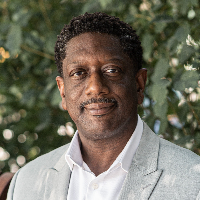
Barry Winley, LMHC
New York · 15 years in practice
Barry Winley is a licensed mental health counselor with 15 years of hands-on experience.
License and registration
- LMHC, New York
- 003955-1 · expires March 2027
- NPI
- 1588266431 · national provider identifier
- Years in practice
- 15
- Languages
- English
Details are as listed on the therapist's public professional profile. You can check the license with the issuing state board, and the NPI with the national registry.
About Barry
Barry Winley is a licensed mental health counselor with 15 years of hands-on experience. He practices in New York and speaks English. Barry focuses on helping people manage stress, anxiety, depression, trauma, and relationship and intimacy concerns.
He also supports clients facing addiction, grief, parenting strain, career changes, ADHD, and related struggles. Barry’s background includes work in criminal justice settings, where he evaluated people living with trauma related to incarceration and community supervision.
Background and approach
He has worked with a wide range of people from urban, suburban, and rural communities. That variety shaped his straightforward, practical approach to therapy. In sessions he uses Emotionally-Focused Therapy alongside Attachment-Based and Cognitive Behavioral strategies.
He also draws from Jungian and mindfulness approaches when helpful. Barry emphasizes identifying feelings, improving communication, and changing unhelpful thinking patterns. He describes a focus on overall well-being and self-regulation through what he calls the 7 Pillars of Health.
This means clients work on sleep, stress management, daily routines, and other practical habits alongside talk therapy. The goal is clearer thinking and steadier mood. Barry invites clients to include spirituality in their process if that matters to them.
He offers several online session formats to fit busy schedules. To begin, people complete a short matching questionnaire and then schedule a time that fits their routine.
Focus areas and approaches
Everything Barry lists on their public professional profile, in their own terms.
- Stress, Anxiety
- Trauma and abuse
- Anger management
- Self esteem
- Depression
- Addictions
- LGBT
- Relationship issues
- Family conflicts
- Grief
- Intimacy-related issues
- Eating disorders
- Sleeping disorders
- Parenting issues
- Career difficulties
- Bipolar disorder
- Coping with life changes
- Coaching
- Compassion fatigue
- ADHD
- Abandonment
- Adoption and foster care
- Antisocial personality
- Attachment issues
- Avoidant personality
- Blended family issues
- Body image
- Co-morbidity
- Codependency
- Commitment issues
- Communication problems
- Control issues
- Dependent personality
- Dissociation
- Divorce and separation
- Domestic violence
- Drug and alcohol addiction
- Family problems
- Fatherhood issues
- First responder issues
- Forgiveness
- Guilt and shame
- Impulsivity
- Infidelity
- Isolation / loneliness
- Jealousy
- Life purpose
- Men's issues
- Veteran and Armed Forces Issues
- Money and financial issues
- Mood disorders
- Multicultural concerns
- Narcissism
- Obsessions, compulsions, and OCD
- Panic disorder and panic attacks
- Personality disorders
- Phobias
- Postpartum depression
- Post-traumatic stress
- Pregnancy and childbirth
- Prejudice and discrimination
- Process addiction (porn, exercise, gambling)
- Self-love
- Sex addiction
- Sexual dysfunction
- Sexuality
- Social anxiety and phobia
- Somatization
- Women's issues
- Workplace issues
- Young adult issues
Approaches Barry names
- Emotionally-Focused Therapy (EFT)
- Attachment-Based Therapy
- Cognitive Behavioral Therapy (CBT)
- Jungian Therapy
- Mindfulness Therapy
- Motivational Interviewing
- Psychodynamic Therapy
- Trauma-Focused Therapy
Naming an approach is not evidence of training in it. This directory copies what each therapist lists and does not check training records.
Online support
Approach-driven care delivered online
Barry uses Emotionally-Focused Therapy to help people notice and work with strong emotions that get in the way of close connections. EFT focuses on identifying core feelings and reshaping how people respond in emotional moments.He also uses Attachment-Based Therapy to look at patterns that start in early relationships and show up now. This approach helps people recognize attachment reactions and build new ways of feeling safer and more connected. Cognitive Behavioral Therapy is another frequent tool; it helps people spot unhelpful thoughts and test new behaviors to reduce anxiety and lift mood.
Choosing the right approach is part of the work together. The therapist will talk with each person about their needs, goals, and preferences and then try methods that fit. Treatment is collaborative and adjusted over time based on what helps most.
Online sessions are offered as video calls, phone sessions, live chat, or text-based messaging. Video works well for deeper, interactive sessions. Phone can be easier when bandwidth is limited or a quicker check-in is needed. Live chat and text messaging let people send shorter updates or get support between longer sessions. These options make it easier to fit therapy into busy lives and varied schedules.
We will earn a commission if you sign up through our link, at no cost to you. It does not change what you pay or the order of the listings.
Questions people ask
What concerns does Barry address?
He works with stress, anxiety, depression, trauma and abuse, anger, addictions, grief, intimacy issues, parenting and many related concerns listed in his specialties.
What is his therapeutic style like?
His style combines Emotionally-Focused Therapy with attachment and cognitive behavioral ideas to help people identify feelings, improve communication, and change unhelpful thoughts.
How much experience does he have?
He has 15 years of direct mental health counseling experience, including work in criminal justice settings with people affected by incarceration-related trauma.
What are his credentials and where is he based?
He is a licensed mental health counselor (LMHC) practicing in New York.
Can I work with him if I live outside the U.S.?
Yes, he accepts international clients and conducts sessions in English.
Which session formats are offered?
Sessions can be scheduled as video calls, phone sessions, live chat, or text-based messaging to suit different preferences and schedules.
How does pricing work for sessions?
Cost varies with location and therapist availability; sessions are provided through a subscription model that can be canceled at any time.
What do I need to do to get started?
Select the Start Therapy button, complete a short matching questionnaire, and schedule a session according to the therapist's availability.
More therapists in New York
See all
JoAnn Park
LCSW
Experienced LCSW focusing on emotion and healing
- Stress, Anxiety
- Addictions
- Relationship

Tammy Piazza
LMHC
Practical skills for stronger emotional balance
- Stress, Anxiety
- Addictions
- Trauma and abuse

Rachael Figueroa
LCSW
Compassionate, emotion-focused therapy for real life
- Stress, Anxiety
- Grief
- Anger

Is this your profile?
Ask us to correct details or take the page down.
Contact us