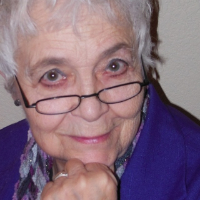
Dr. Carol Carrell, LMFT
California · 30 years in practice
Dr. Carol Carrell helps people facing stress, anxiety, depression, relationship strains, addiction, grief, trauma, parenting pressures, and questions about identity.
License and registration
- LMFT, California
- 29475 · expires September 2027
- LMFT, Arizona
- LMFT-15478 · expires May 2026
- NPI
- 1659691400 · national provider identifier
- Years in practice
- 30
- Languages
- English
Details are as listed on the therapist's public professional profile. You can check the license with the issuing state board, and the NPI with the national registry.
About Carol
Dr. Carol Carrell helps people facing stress, anxiety, depression, relationship strains, addiction, grief, trauma, parenting pressures, and questions about identity. She draws on many approaches to match each person’s needs.
Carol has worked in the field for 30 years and brings steadiness to difficult conversations. She keeps sessions direct and practical. People can expect focused conversation about what feels most urgent.
Goals are set together and revisited so work stays useful and on track.
Background and approach
Carol pays attention to patterns in relationships, communication, and coping skills that keep problems going. Her work commonly involves Emotionally-Focused Therapy to address intimacy and attachment concerns, along with client-centered listening that lets clients set the pace. Cognitive Behavioral Therapy and Dialectical Behavior Therapy ideas are used when people need tools for managing mood, anxiety, sleep, or impulsive reactions.
Carol has experience supporting people who face caregiver fatigue, chronic illness, blended family stress, aging and geriatric issues, and cancer-related challenges. She also has a long history working with people affected by domestic violence, substance use, and trauma from early life or later events. Sessions are offered in English and are available through video calls, phone, live chat, or text-based messaging.
Carol holds LMFT credentials and practices with a focus on clear communication and realistic next steps. She invites people to reach out and begin the process of change. To start, a short matching questionnaire and scheduling step are used so clients can connect and plan sessions that fit their life.
Focus areas and approaches
Everything Carol lists on their public professional profile, in their own terms.
- Stress, Anxiety
- LGBT
- Depression
- Coping with life changes
- Compassion fatigue
- Addictions
- Relationship issues
- Family conflicts
- Trauma and abuse
- Grief
- Intimacy-related issues
- Sleeping disorders
- Parenting issues
- Anger management
- Self esteem
- Career difficulties
- Coaching
- ADHD
- Aging and geriatric issues
- Blended family issues
- Cancer
- Caregiver issues and stress
- Chronic pain, illness, and disability
- Co-morbidity
- Codependency
- Commitment issues
- Communication problems
- Control issues
- Coping with natural or human-caused disaster
- Domestic violence
- Drug and alcohol addiction
- Emptiness
- Family of origin issues
- First responder issues
- Forgiveness
- Gender dysphoria
- Guilt and shame
- HIV / AIDS
- Hoarding
- Hospice and end-of-life counseling
- Life purpose
- Midlife crisis
- Veteran and Armed Forces Issues
- Multicultural concerns
- Panic disorder and panic attacks
- Postpartum depression
- Post-traumatic stress
- Pregnancy and childbirth
- Prejudice and discrimination
- Seasonal Affective Disorder (SAD)
- Self-love
- Sexual assault and abuse
- Social anxiety and phobia
- Traumatic brain injury
- Women's issues
- Workplace issues
Approaches Carol names
- Emotionally-Focused Therapy (EFT)
- Client-Centered Therapy
- Cognitive Behavioral Therapy (CBT)
- Dialectical Behavior Therapy (DBT)
- Existential Therapy
- Jungian Therapy
- Mindfulness Therapy
- Motivational Interviewing
- Narrative Therapy
- Psychodynamic Therapy
- Solution-Focused Therapy
- Somatic Therapy
- Trauma-Focused Therapy
Naming an approach is not evidence of training in it. This directory copies what each therapist lists and does not check training records.
Online support
How therapeutic approaches translate to online care
Emotionally-Focused Therapy (EFT) centers on understanding emotions and connection. In practice this means exploring how feelings shape bonds and working to shift unhelpful patterns in close relationships. Client-Centered Therapy emphasizes acceptance and listening, letting clients set the pace while the therapist reflects and supports their own insights. Cognitive Behavioral Therapy (CBT) focuses on noticing thoughts and behaviors that maintain anxiety or low mood and practicing concrete strategies to change them.Choosing the right approach is part of the work together. The therapist will talk with each person about their goals, needs, and preferences and then suggest a mix of methods to try. Clients and the therapist decide jointly what feels most helpful and adjust the plan as progress is made.
Online therapy offers several practical benefits. Video calls allow face-to-face interaction and visual cues, while phone sessions can be a good fit when bandwidth is limited or a shorter check-in is needed. Live chat and text-based messaging let people share between sessions and get support in smaller moments. These options make it easier to fit therapy into busy schedules and to continue work when in-person visits are difficult.
We will earn a commission if you sign up through our link, at no cost to you. It does not change what you pay or the order of the listings.
Questions people ask
What concerns does she address?
She helps with stress, anxiety, depression, relationship and family issues, trauma, addictions, grief, caregiver fatigue, ADHD, sleep problems, and a wide range of life changes.
How would you describe the therapy style?
Sessions are practical and collaborative. Carol combines listening with goal-setting and skill practice to help people manage feelings and improve communication.
What is her professional background?
Carol has 30 years of counseling experience and has worked with people across many life stages and challenges, including chronic illness, trauma, and addiction.
What credentials and location should I know?
She is an LMFT licensed in California and Arizona and practices from California.
Which languages are supported and can international clients join?
Sessions are offered in English. International clients are not currently accepted.
What session formats are available?
Therapy is offered via video calls, phone sessions, live chat, or text-based messaging to suit different needs and schedules.
How does pricing work?
Cost varies with location and therapist availability; sessions use a subscription model that can be canceled at any time.
How do I begin with this therapist?
Click the Start Therapy button, complete a short matching questionnaire, and schedule sessions according to the therapist's availability.
More therapists in California
See allNancy Montes
LCSW
Compassionate, culturally aware LCSW for life transitions
- Stress, Anxiety
- Self esteem
- Depression

Alejandro Holguin
LCSW
Practical, collaborative therapy for emotional healing
- Stress, Anxiety
- Relationship
- Anger

Dr. Cheryl Mims
LCSW
Compassionate clinician helping rebuild emotional balance
- Stress, Anxiety
- Grief
- Bipolar

Chauncey Chatman
LMFT
Practical, emotion-focused therapy for adults
- Stress, Anxiety
- Addictions
- Trauma and abuse

Is this your profile?
Ask us to correct details or take the page down.
Contact us