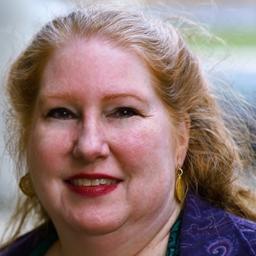
Margaret Johnston, LMHC
Florida · 11 years in practice
Margaret Johnston is a Licensed Mental Health Counselor (LMHC) who helps people facing stress, anxiety, depression, trauma, and major life changes.
License and registration
- LMHC, Florida
- MH15423 · expires March 2027
- NPI
- 1912497306 · national provider identifier
- Years in practice
- 11
- Languages
- English
Details are as listed on the therapist's public professional profile. You can check the license with the issuing state board, and the NPI with the national registry.
About Margaret
Margaret Johnston is a Licensed Mental Health Counselor (LMHC) who helps people facing stress, anxiety, depression, trauma, and major life changes. She listens carefully and aims to reflect and name emotions so clients can make clearer choices. Her approach is down-to-earth and practical, with attention to what matters most to each person.
Margaret draws on 11 years of clinical experience and a Master of Clinical Psychotherapy from the University of North Florida.
Background and approach
She also completed a nine-month Clinical Pastoral Education internship focused on deep listening and spent time in a program supporting wounded service members. These experiences shaped how she holds distress and grief in session. In therapy she uses Emotionally-Focused Therapy alongside Acceptance and Commitment Therapy, attachment-informed ideas, client-centered work, and elements of cognitive behavioral therapy.
Sessions focus on identifying emotions, clarifying values, and building small, doable steps toward change. She pays attention to both past hurts and present patterns that keep people stuck. Margaret places importance on cultural sensitivity and an affirming stance around gender and sexual diversity.
People from LGBTQA and alternative-sex-culture communities are described as welcome, and she names race and racism as factors she will address when they are central to a person’s experience. Her style aims to be nonjudgmental and strength-based.
Clients can expect a calm, reflective presence that helps sort feelings, set goals, and plan next steps toward living with more meaning and fewer unexpected setbacks.
Focus areas and approaches
Everything Margaret lists on their public professional profile, in their own terms.
- Stress, Anxiety
- Trauma and abuse
- Grief
- Depression
- Coping with life changes
- LGBT
- Relationship issues
- Intimacy-related issues
- Eating disorders
- Self esteem
- Bipolar disorder
- ADHD
- Abandonment
- BDSM, kink, and alternative sex culture
- Blended family issues
- Body image
- Caregiver issues and stress
- Communication problems
- Control issues
- Divorce and separation
- Domestic violence
- Eating and food-related issues
- Family of origin issues
- Fertility issues
- First responder issues
- Forgiveness
- Gender dysphoria
- Guilt and shame
- Hoarding
- Impulsivity
- Infidelity
- Isolation / loneliness
- Life purpose
- Mood disorders
- Multicultural concerns
- Obsessions, compulsions, and OCD
- Polyamory / non-monogamous relationships
- Post-traumatic stress
- Prejudice and discrimination
- Seasonal Affective Disorder (SAD)
- Self-love
- Sexual assault and abuse
- Sexuality
- Social anxiety and phobia
- Traumatic brain injury
- Women's issues
- Young adult issues
Approaches Margaret names
- Emotionally-Focused Therapy (EFT)
- Acceptance and Commitment Therapy (ACT)
- Attachment-Based Therapy
- Client-Centered Therapy
- Cognitive Behavioral Therapy (CBT)
- Mindfulness Therapy
- Narrative Therapy
- Psychodynamic Therapy
- Solution-Focused Therapy
- Trauma-Focused Therapy
Naming an approach is not evidence of training in it. This directory copies what each therapist lists and does not check training records.
Online support
Emotion-focused methods for online care
Margaret uses Emotionally-Focused Therapy to help people identify and name strong feelings, understand how those feelings shape reactions, and build new ways of responding when emotions run high. Acceptance and Commitment Therapy helps clients clarify their values and take committed steps toward what matters, even when difficult thoughts or feelings appear. Attachment-Based Therapy brings attention to patterns in close relationships and how past bonds influence current trust and safety.Choosing the right approach is a collaborative process. Margaret will listen to what you need and offer options based on your goals and preferences. Together you can try different techniques and adjust the work so it fits your life and pace.
Online sessions are offered by video calls, phone, live chat, or text-based messaging to make therapy more flexible. Video suits deeper conversations and visual connection, phone works well when bandwidth is limited or a quieter check-in is needed, and messaging supports brief updates or ongoing coaching between sessions. These options help people fit therapy into work, caregiving, and busy schedules while keeping the focus on practical progress.
We will earn a commission if you sign up through our link, at no cost to you. It does not change what you pay or the order of the listings.
Questions people ask
What concerns does she commonly address?
She works with stress, anxiety, depression, trauma and abuse, grief, relationship and intimacy issues, eating and body image concerns, bipolar disorder, ADHD, and related challenges.
What is her general therapy style?
Sessions emphasize deep listening and emotional reflection, with practical steps for change. The work is person-centered and strength-based.
What training and experience does she bring?
She has 11 years of clinical experience, a Master of Clinical Psychotherapy from the University of North Florida, and a nine-month Clinical Pastoral Education internship in deep listening.
Where is she licensed and based?
She is a Florida Licensed Mental Health Counselor (LMHC) and practices from Florida.
Which languages are supported for sessions?
Sessions are offered in English and Margaret also accepts international clients.
What session formats are available?
She offers video calls, phone sessions, live chat, and text-based messaging for flexible ways to connect.
How are sessions paid for?
Cost varies with location and therapist availability; sessions use a subscription model that can be canceled at any time.
How do I begin working with her?
Start by selecting the Start Therapy button, complete a short matching questionnaire, and then schedule sessions according to therapist availability.
More therapists in Florida
See all
Dedra McIntosh
LCSW
Emotion-focused care for everyday struggles
- Stress, Anxiety
- Relationship
- Trauma and abuse

Steven Carlson
LCSW
Compassionate, steady support for emotional healing
- Stress, Anxiety
- Relationship
- Family

Tomeccia Maxwell
LMHC
Calm, practical support for everyday challenges
- Stress, Anxiety
- Relationship
- Family

Is this your profile?
Ask us to correct details or take the page down.
Contact us