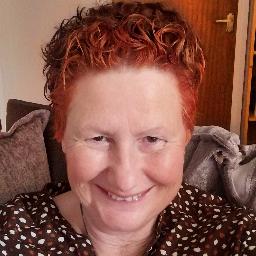
Tina Jennings, NCPS
10 years in practice
Tina Jennings is a counsellor who uses Emotionally-Focused Therapy alongside person-centred and cognitive behavioural ideas.
License and registration
- NCPS
- NCS23-01440 · expires July 2026
- Years in practice
- 10
- Languages
- English
Details are as listed on the therapist's public professional profile. You can check the registration with the body that granted it.
About Tina
Tina Jennings is a counsellor who uses Emotionally-Focused Therapy alongside person-centred and cognitive behavioural ideas. She draws on ten years of practice and life experience to help people who feel stuck, overwhelmed or unsure how to move forward. Tina holds NCPS as her stated credential and works from the United Kingdom.
Tina keeps sessions straightforward and practical. She listens for the feelings behind the problems and helps people name them.
Background and approach
That can make anxiety, low mood, grief or relationship worries easier to talk about. She offers a calm, non-judgemental space and aims to help clients identify small steps they can try between sessions. Her background includes work with NHS pastoral and spiritual care teams and with Mind, so she has experience supporting people through low mood, anxiety and bereavement.
Tina also spent time in the Army earlier in life and understands how traumatic experiences can continue to affect daily living years later. She blends person-centred values with practical CBT tools and brief solution-focused ideas. That mix is aimed at helping people cope with current stresses while also making sense of longer-term patterns like attachment issues or repeated relationship difficulties.
Tina works with a wide range of concerns including stress, addiction, ADHD, bipolar features, compassion fatigue, and eating-related problems. She describes herself as empathic and optimistic and aims to help people find new perspectives and hopeful ways forward.
Focus areas and approaches
Everything Tina lists on their public professional profile, in their own terms.
- Stress, Anxiety
- Grief
- Self esteem
- Depression
- Coping with life changes
- Addictions
- LGBT
- Relationship issues
- Trauma and abuse
- Sleeping disorders
- Anger management
- Career difficulties
- Bipolar disorder
- Coaching
- Compassion fatigue
- ADHD
- Abandonment
- Antisocial personality
- Attachment issues
- Caregiver issues and stress
- Codependency
- Commitment issues
- Communication problems
- Dependent personality
- Dissociation
- Divorce and separation
- Domestic violence
- Eating and food-related issues
- Emptiness
- Family of origin issues
- Family problems
- Forgiveness
- Guilt and shame
- Hospice and end-of-life counseling
- Impulsivity
- Infidelity
- Isolation / loneliness
- Life purpose
- Men's issues
- Midlife crisis
- Veteran and Armed Forces Issues
- Mood disorders
- Panic disorder and panic attacks
- Personality disorders
- Post-traumatic stress
- Prejudice and discrimination
- Seasonal Affective Disorder (SAD)
- Self-harm
- Self-love
- Sexual assault and abuse
- Sexuality
- Social anxiety and phobia
- Women's issues
- Workplace issues
Approaches Tina names
- Emotionally-Focused Therapy (EFT)
- Attachment-Based Therapy
- Client-Centered Therapy
- Cognitive Behavioral Therapy (CBT)
- Existential Therapy
- Mindfulness Therapy
- Motivational Interviewing
- Solution-Focused Therapy
Naming an approach is not evidence of training in it. This directory copies what each therapist lists and does not check training records.
Online support
How therapeutic approaches work online
Tina uses Emotionally-Focused Therapy to help people identify and work with strong emotions that drive their struggles. EFT focuses on what people feel in close moments and helps shift painful patterns in relationships and self-awareness.She also draws on Attachment-Based Therapy to look at how early bonds shape reactions now, and on client-centred counselling to place the client's perspective at the heart of sessions. Attachment work can help when repeated relationship patterns or separation fears cause distress, while client-centred meetings focus on listening, empathy and building trust.
Finding the right approach is a collaborative process. The therapist will work with the person to choose or combine methods based on their goals, life situation and what feels comfortable. Together they review progress and adapt the focus as needed.
Online therapy offers practical flexibility. Video calls let people use body language and facial cues, phone sessions need less bandwidth and suit quick check-ins, and live chat or text-based messaging can fit into a busy day or allow reflection between messages. These options make it easier to maintain regular contact and to try different ways of working until the right fit is found.
We will earn a commission if you sign up through our link, at no cost to you. It does not change what you pay or the order of the listings.
Questions people ask
What issues does Tina commonly help with?
She supports people with stress, anxiety, depression, grief, relationship concerns, addictions and sleeping problems, among other areas listed.
What is her therapeutic style like?
Tina combines Emotionally-Focused Therapy with person-centred listening and practical CBT techniques to help name feelings and try small changes in day-to-day life.
What experience does she bring?
She has around 10 years of counselling experience and prior roles with NHS pastoral care and Mind, plus earlier service in the Army which informs her understanding of trauma.
Where is she based and what credential does she hold?
She is based in the United Kingdom and lists NCPS as her professional credential.
Can sessions be conducted in other languages or for international clients?
Sessions are offered in English and she is not accepting international clients at this time.
Which session formats are available?
Sessions can take place by video calls, phone sessions, live chat or text-based messaging depending on the client's preference.
How are sessions charged?
Cost varies with location and therapist availability and sessions use a subscription model that can be cancelled at any time.
How do I begin working with her?
Start by selecting the Start Therapy button, complete a short matching questionnaire, and then schedule according to the therapist's availability.
Is this your profile?
Ask us to correct details or take the page down.
Contact us