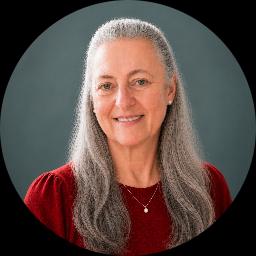
Borbala (Bee) Shehata-Jakab, BACP, NCPS
5 years in practice
Borbala (Bee) Shehata-Jakab is a counsellor who draws on Emotionally-Focused Therapy alongside other approaches to help people untangle painful feelings.
License and registration
- BACP
- 386518 · expires August 2026
- NCPS
- NCS20-02395 · expires January 2027
- Years in practice
- 5
- Languages
- English, Hungarian
Details are as listed on the therapist's public professional profile. You can check the registration with the body that granted it.
About Borbala
Borbala (Bee) Shehata-Jakab is a counsellor who draws on Emotionally-Focused Therapy alongside other approaches to help people untangle painful feelings. She offers short-term and longer-term support for adults who are trying to manage stress, anxiety, depression, grief and questions about identity. Bee speaks English and Hungarian and practises from the United Kingdom.
Her style is warm and straightforward. She creates a calm space to talk through hard experiences and notice patterns that cause pain.
Background and approach
Sessions are conversational and focused on practical ways to make life feel more manageable. Bee works from an integrative perspective, bringing together Emotionally-Focused Therapy, Acceptance and Commitment Therapy and attachment-based ideas with client-centred and cognitive behavioural tools. That mix means she can tailor the work to what each person needs, using talking, reflective exercises and optional creative techniques like journalling or imagery.
Common topics she helps people with include relationship concerns, self-esteem, LGBT identity issues, trauma and abuse, parenting strain, career stress and coping with big life changes. She also supports people facing abandonment, attachment difficulties, caregiver stress and blended family challenges. Bee has five years of professional experience and holds BACP and NCPS credentials.
She offers sessions by video call, phone, live chat or text-based messaging, and sessions are organised through a subscription model that can be cancelled at any time.
Focus areas and approaches
Everything Borbala lists on their public professional profile, in their own terms.
- Stress, Anxiety
- LGBT
- Relationship issues
- Self esteem
- Depression
- Family conflicts
- Trauma and abuse
- Grief
- Parenting issues
- Career difficulties
- Coping with life changes
- Abandonment
- Aging and geriatric issues
- Attachment issues
- Autism and Asperger Syndrome
- Avoidant personality
- Blended family issues
- Caregiver issues and stress
- Codependency
- Commitment issues
- Communication problems
- Control issues
- Dependent personality
- Divorce and separation
- Emptiness
- Family problems
- Fatherhood issues
- Fertility issues
- First responder issues
- Forgiveness
- Guilt and shame
- Hoarding
- Immigration issues
- Impulsivity
- Infidelity
- Isolation / loneliness
- Jealousy
- Life purpose
- Midlife crisis
- Veteran and Armed Forces Issues
- Multicultural concerns
- Panic disorder and panic attacks
- Personality disorders
- Polyamory / non-monogamous relationships
- Pregnancy and childbirth
- Prejudice and discrimination
- Process addiction (porn, exercise, gambling)
- Self-love
- Sexuality
- Social anxiety and phobia
- Women's issues
- Workplace issues
- Young adult issues
Approaches Borbala names
- Emotionally-Focused Therapy (EFT)
- Acceptance and Commitment Therapy (ACT)
- Attachment-Based Therapy
- Client-Centered Therapy
- Cognitive Behavioral Therapy (CBT)
- Existential Therapy
- Gottman Method
- Mindfulness Therapy
- Psychodynamic Therapy
- Solution-Focused Therapy
Naming an approach is not evidence of training in it. This directory copies what each therapist lists and does not check training records.
Online support
How Emotion-Focused and Acceptance-Based Work Translate Online
Emotionally-Focused Therapy (EFT) focuses on emotions and the patterns they create in relationships and within yourself. Online sessions give space to notice feelings, name them and try new ways of responding when emotional patterns feel stuck. Acceptance and Commitment Therapy (ACT) helps people notice difficult thoughts and feelings without being driven by them, and then move towards values-based actions; online work can include brief exercises and practical homework to try between sessions. Attachment-Based Therapy looks at how early connection styles shape current relationships and self-view, helping people explore these patterns and rehearse different ways of relating.Finding the right approach is part of the process. The counsellor will work collaboratively to choose or adapt methods based on a person's goals, needs and preferences. That means starting with conversation, then trying techniques and checking what helps most rather than sticking rigidly to one model.
Online formats include video calls, phone sessions, live chat and text-based messaging, which can fit around work, caring duties or travel. Video is useful for face-to-face conversation and exercises, phone works well when bandwidth is limited, and messaging or chat can suit regular short check-ins and journalling prompts. These options make it easier to keep momentum and fit therapy into a busy life.
We will earn a commission if you sign up through our link, at no cost to you. It does not change what you pay or the order of the listings.
Questions people ask
What kinds of concerns can I bring to therapy?
She works with stress, anxiety, low self-esteem, depression, grief and identity questions. Other areas include relationship worries, trauma, parenting pressures and career stress.
How would you describe your therapeutic style?
The approach is warm and conversational, using Emotionally-Focused Therapy alongside ACT, attachment and CBT ideas. Sessions mix talking with reflective exercises and optional creative techniques.
What background and experience does the counsellor have?
Bee has five years of professional experience supporting adults. Her work combines several therapeutic perspectives to suit different needs.
What credentials and location are listed?
She holds BACP and NCPS credentials and is based in the United Kingdom.
In which languages can sessions be held?
Sessions are offered in English and Hungarian. International clients are not currently accepted.
What session formats are available?
Sessions are available by video call, phone, live chat or text-based messaging to suit different preferences and schedules.
How are sessions paid for and what do they cost?
Sessions use a subscription model that can be cancelled at any time. Exact cost varies with location and therapist availability.
How do I begin therapy with this counsellor?
Start by choosing the Start Therapy button, completing a short matching questionnaire and then scheduling according to the therapist's availability.
Is this your profile?
Ask us to correct details or take the page down.
Contact us