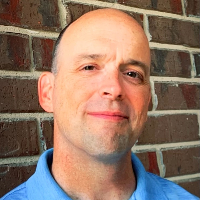
Chris Fischer, LPC
Texas · 20 years in practice
Chris Fischer is a Licensed Professional Counselor (LPC) practicing in Texas with 20 years of experience in the mental health field.
License and registration
- LPC, Texas
- 68579 · expires December 2026
- NPI
- 1609206028 · national provider identifier
- Years in practice
- 20
- Languages
- English
Details are as listed on the therapist's public professional profile. You can check the license with the issuing state board, and the NPI with the national registry.
About Chris
Chris Fischer is a Licensed Professional Counselor (LPC) practicing in Texas with 20 years of experience in the mental health field. He focuses on supporting people who face stress, anxiety, depression, mood disorders, trauma, addiction, and relationship and family concerns. He aims to make the first steps toward help feel straightforward and manageable for worried parents and individuals.
His sessions are client-centered and built around each person’s needs. He listens to what matters most and shapes practical steps that fit daily life.
Background and approach
Chris uses a mix of therapy approaches to target symptoms and patterns, choosing tools that match a person's situation rather than a one-size-fits-all plan. Chris has worked with people experiencing grief, parenting strain, intimacy-related issues, eating concerns, anger, and low self-esteem. He also addresses complex situations such as codependency, chronic illness, caregiver stress, and communication problems.
His background includes crisis work, support for victims of violence, and helping people navigate separation and divorce. Common methods in his practice include Emotionally-Focused Therapy, Cognitive Behavioral Therapy, Dialectical Behavior Therapy, Eye Movement Desensitization and Reprocessing, and the Gottman Method. In sessions he mixes skills training, emotional work, and trauma-focused strategies as they fit the client’s goals.
Chris works with adults in Texas and offers a range of ways to meet, including video calls, phone sessions, live chat, and text-based messaging. He describes therapy as a collaborative process focused on practical change and emotional understanding.
Focus areas and approaches
Everything Chris lists on their public professional profile, in their own terms.
- Stress, Anxiety
- Addictions
- Bipolar disorder
- Depression
- ADHD
- LGBT
- Relationship issues
- Family conflicts
- Trauma and abuse
- Grief
- Intimacy-related issues
- Eating disorders
- Parenting issues
- Anger management
- Self esteem
- Compassion fatigue
- Abandonment
- Aging and geriatric issues
- Attachment issues
- Blended family issues
- Body image
- Cancer
- Caregiver issues and stress
- Chronic pain, illness, and disability
- Co-morbidity
- Codependency
- Communication problems
- Control issues
- Disruptive Mood Dysregulation Disorder (DMDD)
- Divorce and separation
- Domestic violence
- Eating and food-related issues
- Family problems
- First responder issues
- Forgiveness
- Guilt and shame
- Impulsivity
- Infidelity
- Isolation / loneliness
- Life purpose
- Men's issues
- Midlife crisis
- Veteran and Armed Forces Issues
- Money and financial issues
- Mood disorders
- Obsessions, compulsions, and OCD
- Panic disorder and panic attacks
- Paranoia
- Phobias
- Postpartum depression
- Post-traumatic stress
- Process addiction (porn, exercise, gambling)
- Sexual assault and abuse
- Sexuality
- Social anxiety and phobia
- Women's issues
- Young adult issues
Approaches Chris names
- Emotionally-Focused Therapy (EFT)
- Cognitive Behavioral Therapy (CBT)
- Dialectical Behavior Therapy (DBT)
- Eye Movement Desensitization and Reprocessing (EMDR)
- Gottman Method
- Mindfulness Therapy
- Motivational Interviewing
- Solution-Focused Therapy
- Trauma-Focused Therapy
Naming an approach is not evidence of training in it. This directory copies what each therapist lists and does not check training records.
Online support
How EFT, CBT and DBT translate to online care
Emotionally-Focused Therapy (EFT) focuses on emotions and attachment patterns. It helps people identify their core feelings and how those feelings affect relationships and behavior. EFT can be useful when the goal is to understand emotional responses and build stronger emotional connections with others.Cognitive Behavioral Therapy (CBT) teaches practical skills to change unhelpful thoughts and behaviors. It often uses homework, thought records, and behavior experiments to reduce anxiety and depression. CBT is a good fit for people who want concrete tools to manage symptoms.
Dialectical Behavior Therapy (DBT) offers skills for emotion regulation, distress tolerance, and effective communication. It can help people manage intense emotions, reduce impulsive actions, and improve coping during crises.
Finding the right approach is part of the work. The therapist will collaborate with each person to choose methods that fit their goals and preferences. Over time the plan can shift as needs change, combining emotional exploration with skills training when helpful.
Online therapy allows the same clinical approaches to be delivered across formats. Video calls are like in-person sessions and work well for deeper conversations and emotional work. Phone sessions use less bandwidth and can be easier to fit into a busy day. Live chat and text-based messaging provide short check-ins, skill reminders, or support between sessions. These options make it easier to keep therapy consistent while balancing family, work, and other commitments.
We will earn a commission if you sign up through our link, at no cost to you. It does not change what you pay or the order of the listings.
Questions people ask
What kinds of concerns does Chris address?
He works with stress, anxiety, depression, bipolar disorder, addictions, trauma and abuse, grief, relationship and family concerns, parenting strain, and related issues listed in his specialties.
What is his style of therapy like?
Sessions are client-centered and collaborative. He listens first, then mixes emotional work and practical skills to match what a person needs.
How much experience does he have?
He has 20 years of experience in the mental health field, including work in multiple states and extensive practice in Texas.
What credentials and location apply to his practice?
He is a Licensed Professional Counselor (LPC) practicing in Texas.
Are sessions offered in other languages or internationally?
Sessions are offered in English. He is not accepting international clients at this time.
Which session formats are available?
He offers video calls, phone sessions, live chat, and text-based messaging to fit different needs and routines.
How does payment and cost work?
Cost varies by location and therapist availability; sessions use a subscription model that can be canceled at any time.
What should I do to begin therapy?
Use the Start Therapy button, complete a short matching questionnaire, and schedule a session based on the therapist's availability.
More therapists in Texas
See allDr. Ngozi Okose
LPC
Compassionate, practical therapy focused on emotion and change
- Stress, Anxiety
- Relationship
- Trauma and abuse

Phillip Redden
LMFT
Trusted therapist for relationships and trauma
- Relationship
- Family
- Trauma and abuse
Julie Elliott
MD, LCSW-C, LCSW
Compassionate clinician with long-term practical experience
- Stress, Anxiety
- Relationship
- Family
Tiffany Dunnells
LPC
Warm, practical therapy for life’s hard moments
- Stress, Anxiety
- Trauma and abuse
- Anger

Is this your profile?
Ask us to correct details or take the page down.
Contact us