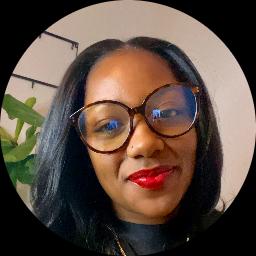
Niesha Gowens, LCSW, LISW-CP
South Carolina · 7 years in practice
Niesha Gowens is a Licensed Clinical Social Worker (LCSW) and a Licensed Independent Social Worker-Clinical Practice (LISW-CP) practicing in South Carolina.
License and registration
- LISW-CP, South Carolina
- 16465 · expires December 2026
- LCSW, North Carolina
- C016441 · expires October 2027
- NPI
- 1972172682 · national provider identifier
- Years in practice
- 7
- Languages
- English
Details are as listed on the therapist's public professional profile. You can check the license with the issuing state board, and the NPI with the national registry.
About Niesha
Niesha Gowens is a Licensed Clinical Social Worker (LCSW) and a Licensed Independent Social Worker-Clinical Practice (LISW-CP) practicing in South Carolina. She brings seven years of hands-on experience helping people manage stress, anxiety, depression, and trauma. Her style is direct and warm, aiming to make therapy feel approachable and practical for everyday life.
She believes clients are the experts in their own stories and works to build on existing strengths.
Background and approach
Sessions focus on clear goals and real steps rather than jargon. Niesha encourages courage and small changes that add up over time. Her background includes work with people facing LGBT concerns, low self-esteem, and relationship-related struggles like communication problems and commitment issues.
She also supports those dealing with abandonment, caregiver stress, fertility and fatherhood concerns, and the emotional effects of aging. Niesha uses a mix of therapy methods to match the person in front of her. She draws on Emotionally-Focused Therapy, Acceptance and Commitment Therapy, attachment-based ideas, client-centered approaches, and cognitive behavioral techniques.
In session she helps people notice patterns, name emotions, and try new behaviors. People who prefer straightforward conversation and a bit of creative problem solving often find her approach fits. She invites clients to try new ways of coping and to set achievable steps toward a more satisfying life.
The work is collaborative and paced to the person’s needs.
Focus areas and approaches
Everything Niesha lists on their public professional profile, in their own terms.
- Stress, Anxiety
- LGBT
- Trauma and abuse
- Self esteem
- Depression
- Abandonment
- Aging and geriatric issues
- Attachment issues
- Avoidant personality
- Blended family issues
- Caregiver issues and stress
- Codependency
- Commitment issues
- Communication problems
- Control issues
- Divorce and separation
- Emptiness
- Family problems
- Fatherhood issues
- Fertility issues
- First responder issues
- Forgiveness
- Guilt and shame
- HIV / AIDS
- Impulsivity
- Infidelity
- Isolation / loneliness
- Jealousy
- Life purpose
- Veteran and Armed Forces Issues
- Money and financial issues
- Mood disorders
- Panic disorder and panic attacks
- Personality disorders
- Post-traumatic stress
- Prejudice and discrimination
- Seasonal Affective Disorder (SAD)
- Self-love
- Sexual assault and abuse
- Sexuality
- Social anxiety and phobia
- Women's issues
- Workplace issues
- Young adult issues
Approaches Niesha names
- Emotionally-Focused Therapy (EFT)
- Acceptance and Commitment Therapy (ACT)
- Attachment-Based Therapy
- Client-Centered Therapy
- Cognitive Behavioral Therapy (CBT)
- Dialectical Behavior Therapy (DBT)
Naming an approach is not evidence of training in it. This directory copies what each therapist lists and does not check training records.
Online support
How these approaches translate to online therapy
Emotionally-Focused Therapy (EFT) centers on noticing and naming emotions in the moment to create stronger emotional responses and new interaction patterns. It can help people who feel stuck in recurring emotional reactions or who want clearer emotional connection with themselves. Acceptance and Commitment Therapy (ACT) helps people accept difficult thoughts and feelings while clarifying personal values and committing to small actions that match those values. It can be useful for anxiety, depression, and getting unstuck from avoidance. Attachment-Based Therapy looks at early and current attachment patterns to understand how people relate to others and to themselves. It can guide work on communication, trust, and closeness concerns.Choosing the right approach is part of the work. The therapist will collaborate with each person to find which methods feel most helpful for their goals and preferences. That partnership means trying ideas, checking what helps, and adjusting the plan over time rather than sticking to a single method from the start.
Online sessions are offered by video calls, phone, live chat, or text-based messaging to fit different schedules and needs. Video lets most people use facial cues and body language. Phone sessions can be easier on low bandwidth or for those who prefer not to be on camera. Live chat and messaging work well for quick check-ins, brief coping reminders, or when written reflection helps. These options make it easier to fit therapy into work, caregiving, or daily life while keeping the focus on progress and practicality.
We will earn a commission if you sign up through our link, at no cost to you. It does not change what you pay or the order of the listings.
Questions people ask
What concerns does Niesha commonly address?
She supports people facing stress, anxiety, depression, trauma and abuse, LGBT issues, and low self-esteem. Additional focuses include caregiver strain, abandonment, communication problems, fertility and fatherhood concerns.
How would you describe her therapeutic style?
Her style is direct, warm, and practical. Sessions aim for clear goals, emotional awareness, and steps clients can try between meetings.
What is her clinical background and experience?
She has seven years of professional experience and has worked with a broad range of emotional and relational concerns.
What credentials and region are listed for this therapist?
She holds LCSW and LISW-CP credentials and practices in South Carolina with licensure noted for North Carolina and South Carolina.
Which languages are used in sessions and can international clients join?
Sessions are offered in English. International clients are not currently accepted.
What session formats are available?
Sessions can be done via video calls, phone sessions, live chat, or text-based messaging to suit different needs and schedules.
How is cost handled for therapy with this clinician?
Costs vary with location and therapist availability and are managed through a subscription that can be canceled at any time.
How do I begin working with this therapist?
Start by selecting the Start Therapy button, complete a short matching questionnaire, and then schedule according to the therapist's availability.
More therapists in South Carolina
See allFrances Patton
LMFT
Emotion-focused, practical therapy for change
- Stress, Anxiety
- Relationship
- Intimacy-related issues

Cynthia Byas
LMFT
Compassionate therapist focused on emotional connection
- Stress, Anxiety
- Relationship
- Family

Talisha Telsee, MS, LPC, LMHC
Compassionate, practical therapy for life transitions
- Stress, Anxiety
- Relationship
- Family
Is this your profile?
Ask us to correct details or take the page down.
Contact us